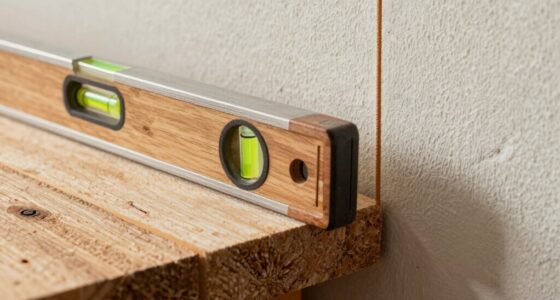
A small measurement mistake, like misreading a ruler or not calibrating your tools, can quickly ruin simple projects. These tiny errors can lead to misaligned cuts, uneven surfaces, or parts that don’t fit together right. Overlooking calibration or rushing measurements increases the chance of costly mistakes. If you want to avoid wasting time, materials, or ending up with a finished product that’s off, keep going—you’ll discover how to prevent these common pitfalls.
Listen free for 30 days with Audible
Thousands of audiobooks and originals — cancel anytime.
As an affiliate, we earn on qualifying purchases.
Key Takeaways
- Small measurement errors can lead to misaligned cuts and uneven surfaces in simple projects.
- Using uncalibrated or worn tools increases the risk of inaccurate measurements.
- Failing to double-check measurements before cutting causes project misproportions.
- Inconsistent calibration over time results in cumulative measurement inaccuracies.
- Ignoring proper tool maintenance and verification can turn simple tasks into costly mistakes.
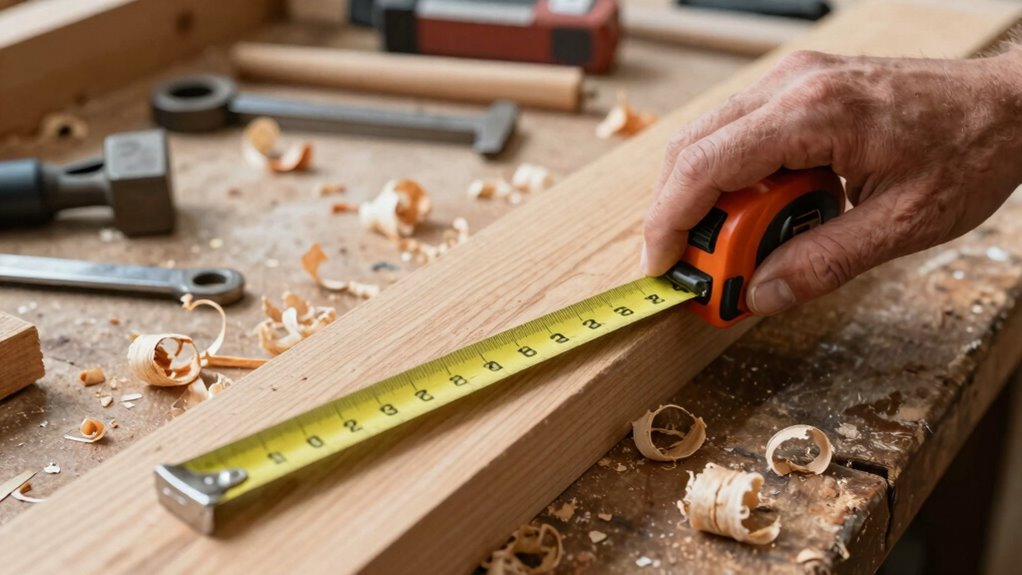
Have you ever wondered how a simple miscalculation can lead to costly mistakes? It often starts with small errors in measurement that snowball into bigger problems than you initially expected. One of the most common culprits is precision errors, which happen when your measuring tools aren’t as accurate as they need to be. These errors can slip in subtly, especially if your measurement device isn’t calibrated correctly. When calibration issues occur, your tools can give you readings that are slightly off, but those tiny discrepancies can have a big impact on your project’s outcome. If you’re working on something straightforward like building a shelf or sewing a piece of clothing, those small measurement mistakes can throw everything off, leading to wasted materials, time, and effort.
You might not realize it at first, but precision errors are often linked to improper calibration. Calibration ensures your measuring tools are providing accurate readings, but it’s easy to overlook or forget to check this regularly. Over time, tools like rulers, tape measures, or digital devices can drift from their original settings, giving you false measurements without your knowledge. This subtle shift can cause misaligned cuts, uneven surfaces, or parts that don’t fit together as they should. When you rely on these inaccurate measurements, even a slight miscalculation can result in a project that’s out of proportion or structurally unsound. The frustration kicks in when you realize that you’ve wasted time and materials because of something as simple as a poorly calibrated ruler or a tape measure that’s stretched or worn out. Maintaining measurement accuracy is essential to prevent these issues from occurring, especially as tools age or are used frequently. Additionally, understanding how calibration and accuracy affect your measurements can help you identify and correct issues before they escalate. Regularly checking your tools’ calibration is a simple step that can help catch these issues early.
To avoid falling into this trap, you need to be proactive about checking your tools’ calibration regularly. It’s a quick step that can save you hours of troubleshooting later. Make sure your measuring devices are in good condition and follow the manufacturer’s instructions for calibration, especially if they’re digital or specialized tools. Always double-check your measurements before making cuts or assembling parts. Using a reliable, well-maintained tool minimizes the chances of precision errors sneaking into your work. Remember, accuracy isn’t just about getting the right measurement once; it’s about maintaining that accuracy throughout your project. Small missteps due to calibration issues or overlooked precision errors might seem insignificant at first, but they can ruin simple projects, turning what should be quick fixes into long, frustrating revisions. Pay attention to your tools, and your projects will turn out just as you envisioned, without costly setbacks. Regularly verifying measurement tool calibration can help ensure your projects stay on track from start to finish. Additionally, understanding accuracy and precision can further help you avoid these common pitfalls.
As an affiliate, we earn on qualifying purchases.
Frequently Asked Questions
How Do I Choose the Right Measuring Tools for My Project?
You choose the right measurement tools by considering your project’s specific needs, like the type of measurements involved. Use appropriate measurement tools such as rulers, tape measures, or calipers, and make sure they’re calibrated correctly with proper calibration techniques. Always check for accuracy before starting, and select tools that match the precision your project demands. This way, you avoid mistakes that could ruin your project’s outcome.
What Are Common Signs of Measurement Errors in DIY Projects?
You’ll notice measurement errors when your project doesn’t fit or looks uneven, often caused by calibration issues or environmental factors like temperature and humidity. If measurements seem inconsistent or tools give different readings, it’s a sign something’s off. Always double-check your tools’ calibration, especially if conditions change. Environmental factors can affect precision, so measure in stable conditions and re-calibrate tools regularly to avoid costly mistakes.
Can Small Measurement Mistakes Significantly Impact Project Outcomes?
Yes, small measurement mistakes can substantially impact your project outcomes. Calibration issues and tool precision are often to blame, causing inaccuracies that compound over time. Even a tiny miscalculation can throw off the entire project, leading to gaps, misalignments, or weak structures. To avoid this, double-check measurements and make certain your tools are properly calibrated. Paying attention to these details helps guarantee your project turns out accurately and successfully.
How Can I Prevent Measurement Errors When Working With Small Parts?
You might think small parts don’t need precise measurement, but ironically, that’s where errors sneak in. To prevent measurement errors, you should regularly use calibration techniques to verify your tools are accurate. Focus on measurement precision by double-checking measurements, working slowly, and using high-quality tools. These small steps make a big difference, preventing tiny mistakes from ruining your project. Precision and calibration are your best allies here.
What Techniques Improve Measurement Accuracy in Complex Projects?
To improve measurement accuracy in complex projects, you should regularly use calibration techniques to guarantee your tools remain precise. Additionally, perform error analysis to identify and minimize sources of measurement inaccuracies. Double-check measurements with multiple tools when possible, and maintain consistent measurement conditions. These practices help you catch errors early and maintain high accuracy, reducing costly mistakes and ensuring your project’s success.
As an affiliate, we earn on qualifying purchases.
Conclusion
So, next time you’re working on a project, will you double-check your measurements or risk ruining everything? It’s easy to overlook small errors, but those tiny mistakes can have big consequences. Remember, precision matters—don’t let a simple measuring slip-up ruin your hard work. After all, isn’t it better to take a moment and get it right than to redo everything later? Trust me, your future self will thank you for being meticulous now.
As an affiliate, we earn on qualifying purchases.
As an affiliate, we earn on qualifying purchases.
Fall Picks
fall essentials
As an affiliate, we earn on qualifying purchases.