“Medium heat” means almost nothing because it’s not a precise term and can vary greatly between different stoves and cookware. When you turn the knob to “medium,” it might not produce the same temperature on your friend’s stove. Since it generally falls between 300°F and 375°F, understanding what that means in real cooking can be tricky. If you keep listening, you’ll discover ways to control heat more accurately and get better results.
Key Takeaways
- “Medium heat” lacks a standardized temperature, varying widely between different stoves and cookware.
- It typically ranges from 300°F to 375°F, but exact temperatures depend on individual appliances.
- Relying on vague terms can lead to uneven cooking and inconsistent results.
- Precise temperature control is essential for specific cooking techniques and outcomes.
- Using a thermometer and visual cues provides more accurate heat management than “medium” labels.

Have you ever wondered what “medium heat” really means when you’re cooking? It’s a common term in recipes and kitchen conversations, but in reality, it’s pretty vague. When you see “medium heat” on a stove or in instructions, it’s tempting to think it’s a specific setting. But in truth, it’s just broad heat terminology that can vary wildly from one appliance or cooktop to another. The problem is that “medium heat” doesn’t define a precise cooking temperature. Instead, it’s more of a general guideline, leaving a lot up to interpretation. One stove’s “medium” might be the same as another’s “low,” and that inconsistency can lead to uneven results or disappointment when your dish doesn’t turn out as expected.
Understanding heat terminology is essential because different recipes require specific cooking temperatures to achieve the right texture, flavor, or doneness. For example, searing a steak needs high heat, while simmering soup demands a much lower temperature. But when you rely solely on “medium,” you’re guessing, which isn’t ideal if you want precision in your cooking. The lack of standardization makes “medium heat” almost meaningless in a strict sense. Instead of thinking of it as a fixed point, consider it as a range—somewhere in the middle of your stove’s heat spectrum. Yet, even that can be confusing because the actual temperature range for “medium” can vary from about 300°F to 375°F, depending on the device. Additionally, accurate temperature control can make a significant difference in achieving consistent results.
Furthermore, many cooks have different perceptions of what “medium heat” feels like. Some might turn their knob to a point they consider “medium,” only to find it’s too hot or not hot enough once the food starts cooking. That’s because the heat output depends not just on the setting but also on the stove’s design and the cookware used. The bottom line is that “medium heat” is an ambiguous term that can hinder your ability to control your cooking temperature accurately. If you want better results, it’s smarter to pay attention to actual temperatures with a thermometer or learn specific visual cues and sounds—like the sizzle of oil or the bubbles in a simmer—rather than relying solely on vague heat terminology. Understanding cooking terminology helps you develop a more precise cooking technique and avoid frustration.
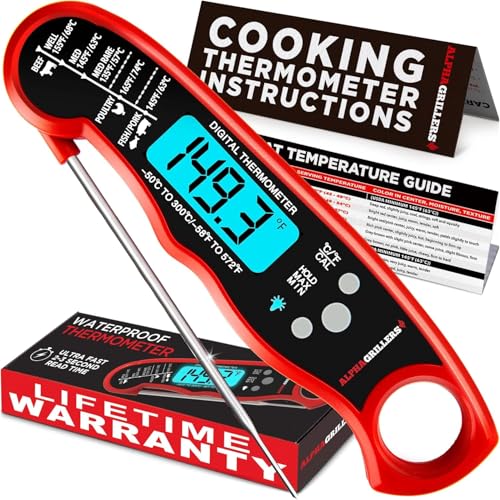
Alpha Grillers Meat Thermometer Digital – Instant Read Food Thermometer for Cooking & Grilling – Professional Kitchen Fathers Day Gift for Dad Men Him Husband
Instant Read Food Thermometer | Our instant read thermometer features a temperature probe and advanced, highly accurate technology…
As an affiliate, we earn on qualifying purchases.
As an affiliate, we earn on qualifying purchases.
Frequently Asked Questions
How Do Different Stove Brands Define “Medium Heat”?
Different stove brands define “medium heat” differently due to variations in cooking temperature and stove calibration. You might find one brand’s medium setting at around 350°F, while another’s could be closer to 400°F. These inconsistencies mean you can’t rely solely on the label. Instead, pay attention to how your stove responds during cooking and use a thermometer to better gauge the actual temperature, ensuring consistent results.
Can “Medium Heat” Vary Depending on Cookware Material?
Yes, “medium heat” can vary depending on cookware material because different materials conduct heat differently. For example, copper heats quickly and evenly, so medium heat might be lower compared to cast iron, which retains heat longer. Your cookware’s heat distribution influences how you set your stove, meaning “medium” isn’t a universal setting. To cook effectively, you should understand your cookware’s specific heat response rather than relying solely on stove settings.
Is “Medium Heat” the Same for Ovens and Stovetops?
No, “medium heat” isn’t the same for ovens and stovetops because cooking terminology and heat calibration differ. On stovetops, it usually means a moderate flame, while in ovens, it refers to a specific temperature range, often around 350–375°F. You need to understand each appliance’s heat calibration to cook accurately. Relying solely on “medium heat” can lead to inconsistent results, so use a thermometer for precision.
How Can I Accurately Measure “Medium Heat” Without a Thermometer?
Think of estimating medium heat like judging the perfect ripeness of a fruit—you rely on touch and experience. To do this, use your senses: feel the pan’s warmth, listen for gentle bubbling or sizzling, and observe how quickly ingredients cook. These cooking techniques help with temperature control without a thermometer. Over time, you’ll get a feel for medium heat, making your cooking more precise and enjoyable.
Does Altitude Affect What “Medium Heat” Means?
Yes, altitude influence does affect what “medium heat” means because higher altitudes have lower boiling points and air pressure changes. This impacts temperature calibration, making your stove’s heat settings less consistent. You might need to adjust your cooking time or heat levels to achieve the same results as at lower elevations. Always keep in mind that “medium heat” can vary depending on altitude, so monitor your food carefully.
MANWU 2 sets flame indicators ring stove sticker decal label for burner cooktop hob cooker top markings oven replacement adhesive knob symbols (Black print for Silver, White or Light Coloured stove)
Perfect to replace the worn markings,and these decals are the perfect solution to identify the burners
As an affiliate, we earn on qualifying purchases.
As an affiliate, we earn on qualifying purchases.
Conclusion
Next time you see “medium heat” on a dial, picture it as a cloudy sky—vague and unpredictable. You might expect a gentle warmth or a steady simmer, but in reality, it’s a blurry middle ground that can shift with every stove. Instead of relying on those vague labels, trust your senses: watch the sizzling, feel the warmth, and listen for the gentle hum. That’s how you truly master your cooking, beyond the ambiguous “medium.”
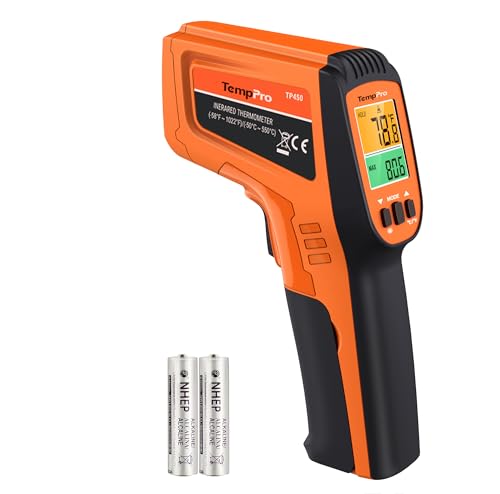
TempPro TP450 2 Laser Temperature Gun for Cooking, 16:1 D:S Ratio Infrared Thermometer Gun for Pizza Oven, Laser Thermometer Gun with Adjustable Emissivity Temp Gun -58 to 1022℉,Gift for Dad Husband
【Ultimate Versatility for Kitchen, Garage & House】Ideal for a multitude of tasks! Check pizza oven or griddle heat…
As an affiliate, we earn on qualifying purchases.
As an affiliate, we earn on qualifying purchases.

0.5 Sec Instant Read Meat Thermometer Digital with ±0.5℉ Precision, Food Thermometer for Cooking Kitchen Gadgets, Oven Grill Candy BBQ Essentials Accessories, Gifts for Him Dad Men Birthday, Red
【8X Faster + 4X More Precise】: Upgraded with an industrial-leading professional thermocouple sensor, Themomonster meat thermometer digital with…
As an affiliate, we earn on qualifying purchases.
As an affiliate, we earn on qualifying purchases.