
Even if your water looks clear, it can still hide harmful contaminants like bacteria, viruses, heavy metals, and chemicals that your eyes can’t see. Clear water doesn’t guarantee it’s safe to drink, as many pollutants bypass your senses and cause health issues over time. Relying solely on appearance can put you at risk. To protect yourself effectively, it’s important to understand what dangers may lurk beneath the surface—exploring these concerns further will help you stay safer.
Key Takeaways
- Clear water may hide invisible contaminants like bacteria, viruses, or chemicals harmful to health.
- Visual clarity doesn’t guarantee water safety; contaminants can be present without affecting appearance.
- Long-term exposure to unseen pollutants can cause serious health issues, including neurological damage and cancer.
- Water can be visually clean but still contain industrial or agricultural pollutants that are undetectable by sight.
- Relying solely on appearance ignores the need for regular testing and proper filtration to ensure safety.

Even though water looks crystal clear, it doesn’t necessarily mean it’s safe to drink. Your eyes can’t see the tiny contaminants lurking beneath the surface, which is why relying solely on appearance can be dangerous. Hidden contaminants, like bacteria, viruses, heavy metals, and chemicals, often bypass your senses and pose health risks. This is where water filtration becomes essential. Proper filtration systems are designed to remove these invisible threats, ensuring that the water you consume is genuinely safe.
Clear water isn’t always safe; hidden contaminants can pose serious health risks. Proper filtration is essential.
Many people assume that clear water means it’s pure, but that’s a misconception. Water can be contaminated with substances that are invisible to the naked eye. For example, industrial pollutants or agricultural runoff might seep into your local water supply without causing any cloudiness or discoloration. These hidden contaminants can cause a range of health issues, from gastrointestinal problems to more severe long-term conditions like neurological damage or cancer. That’s why you need a reliable water filtration system that targets these unseen threats.
Choosing the right filtration system is crucial. Not all filters are created equal, and some only improve taste or odor without removing harmful contaminants. Look for systems that are certified to eliminate a broad spectrum of pollutants, including bacteria, viruses, heavy metals, and chemical residues. Activated carbon filters, reverse osmosis units, and UV purifiers are among the most effective options. They work together or individually to ensure your water is not only clear but also free from dangerous substances that could harm your health. Regular maintenance and replacement of filters are also essential to keep these systems functioning properly.
It’s also important to understand that water testing isn’t a one-time task. Contaminant levels can fluctuate due to seasonal changes, construction, or other environmental factors. Regular testing helps you stay informed about your water quality and whether your filtration system is functioning correctly. If you notice any changes in taste, smell, or appearance, it’s a good idea to get your water tested again and consider upgrading your filtration method. Additionally, understanding water quality standards can help you choose the most appropriate filtration system for your needs. Implementing testing protocols regularly can greatly reduce health risks associated with contaminated water. Staying informed about water contamination sources can also help you better protect your household.
In the end, maintaining good water quality requires proactive steps. Don’t rely solely on appearances—invest in a quality water filtration system and keep up with regular testing. This way, you protect yourself and your loved ones from the unseen dangers that can be present even in the clearest-looking water. Remember, safe drinking water isn’t just about what you see; it’s about what you don’t see but need to prevent.

iSpring RCC7AK-BN NSF Certified, 75 GPD, Alkaline 6-Stage Reverse Osmosis System, pH+ Remineralization RO Water Filter System Under Sink Patented Top-Mounted Faucet Design for Easy Installation
PATENTED DESIGN – The top-mounted fastener allows for easy countertop installation entirely from above, eliminating the hassle of…
As an affiliate, we earn on qualifying purchases.
As an affiliate, we earn on qualifying purchases.
Frequently Asked Questions
Can Clear Water Still Contain Harmful Bacteria?
Yes, clear water can still contain harmful bacteria. Water filtration systems may not eliminate all bacterial contamination, leaving some invisible dangers behind. Even if water looks clean, pathogens like bacteria and viruses can persist, posing health risks. You should always rely on proper filtration methods, like UV treatment or boiling, to guarantee water is truly safe to drink. Don’t assume clarity equals safety; testing and effective filtration are essential.
How Do Chemicals Affect Water Clarity?
Ironically, chemicals can make water appear clearer while actually harming it. Chemical interactions often improve water filtration, removing visible particles, but they can also introduce or mask harmful substances. This means water can look clean yet still harbor dangerous contaminants. So, just because it looks pure doesn’t guarantee safety. Always consider thorough testing beyond filtration and clarity to ensure your water is truly safe to drink.
Is Bottled Water Always Safer Than Tap Water?
Bottled water isn’t always safer than tap water. Water filtration can improve tap water quality, making it just as safe and often more affordable. While bottled water benefits include convenience and sometimes better taste, it can contain microplastics and lack essential minerals. Always check labels and consider filtration systems to guarantee your drinking water is clean and safe, regardless of whether it’s in a bottle or from the tap.
What Unseen Contaminants Can Be in Clean-Looking Water?
You might think clear water is safe, but invisible pollutants hide beneath its surface. These waterborne toxins, like sneaky shadows, can cling unseen, threatening your health. Contaminants such as pesticides, heavy metals, and bacteria can slip past your senses, making the water look pure but still pose risks. Always consider testing or filtering your water, because what you can’t see can still harm you deeply.
How Does Water Treatment Sometimes Fail to Remove Pollutants?
Water treatment sometimes fails to remove pollutants because advanced filtration systems may not target all contaminants, especially chemical residues that are tiny or chemically similar to safe substances. If filtration isn’t properly maintained or if new pollutants emerge, these chemicals can slip through. You might think the water is clean, but residual chemicals can remain, posing health risks. Regular testing and updated filtration methods are essential to guarantee truly safe, clean-looking water.

Brita Large 10-Cup Water Filter Pitcher, WQA NSF/ANSI Certified, Removes Chlorine Taste & Odor, Reduces Zinc, Copper & Mercury, 1 Standard Filter, Lasts 2 Months, Bright White
The BPA-free Everyday water pitcher with filter holds 10 cups of water, enough to fill 3 24-ounce reusable…
As an affiliate, we earn on qualifying purchases.
As an affiliate, we earn on qualifying purchases.
Conclusion
Even if the water looks crystal clear, don’t let its appearance fool you—it’s like a glass mask hiding hidden dangers beneath. Clean-looking water can still carry harmful bacteria or chemicals that threaten your health. Always remember, appearances can be deceiving, and what’s on the surface isn’t the whole story. So, think twice before you drink or use water that seems fine—sometimes, the biggest threats are hiding in plain sight, waiting to surprise you.
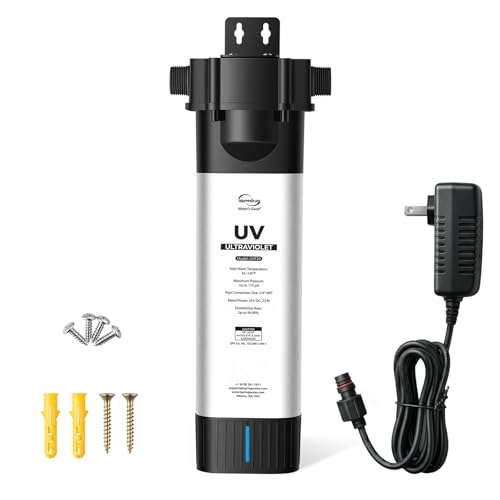
iSpring UVF20 Whole House LED UV Water Filter System, Up to 11 Years Long-Life LED UV Water Purifier with Built-in Automatic Flow Control, Mercury-Free, 3/4" MNTP Inlet Outlet, Up to 12 GPM
Long Service Life with No Bulb Replacement Needed: Engineered for whole house water treatment, the UVF20 water filter…
As an affiliate, we earn on qualifying purchases.
As an affiliate, we earn on qualifying purchases.

Waterdrop 10UA Under Sink Water Filter System, Reduces PFAS, PFOA/PFOS, Lead, Chlorine, Bad Taste & Odor, Under Counter Water Filter Connects Directly to Your Faucet, NSF/ANSI 42 Certified, 1 Year
Less than $25.99 per replacement filter WD-RF10(Search " B085G66JTZ "on Amazon), save over 50% of cost on subsequent…
As an affiliate, we earn on qualifying purchases.
As an affiliate, we earn on qualifying purchases.


![The Usefulness Of Useless Knowledge (1939) [Pdf]](https://micronomicon.com/wp-content/uploads/2026/07/the-usefulness-of-useless-knowledge-1939-pdf-featured-260x140.jpg)