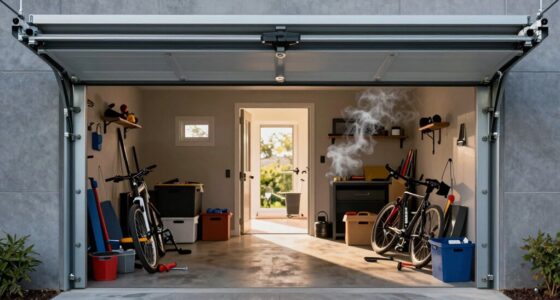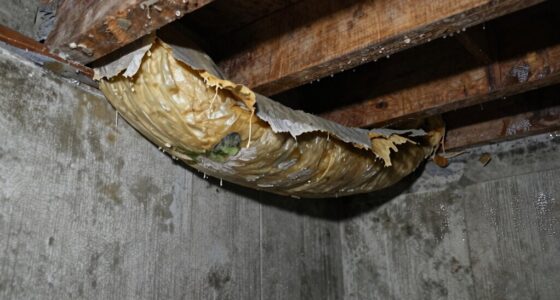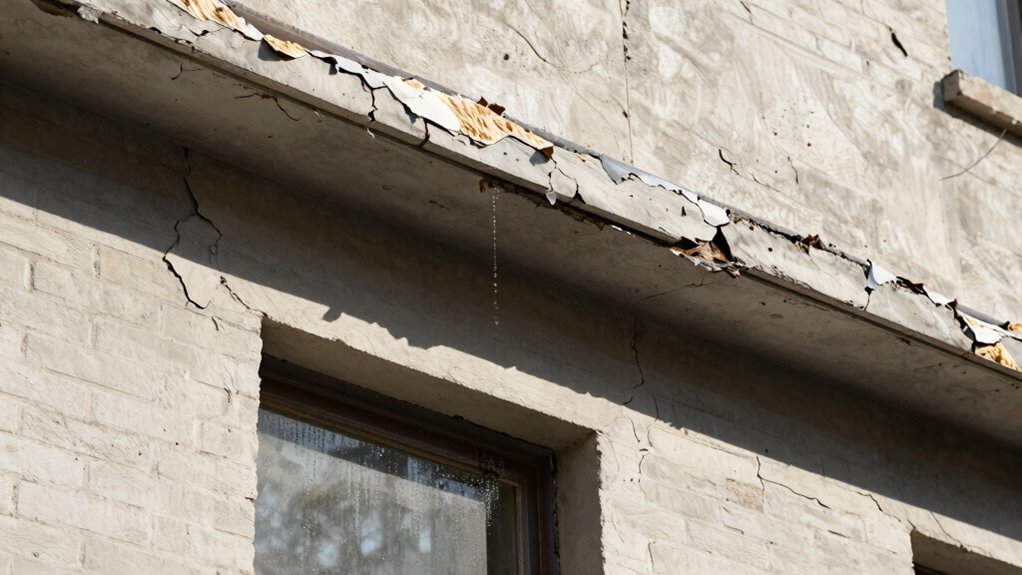

Temperature swings usually start at the building envelope because it’s your first barrier between outside conditions and your indoor space. If there are gaps, damage, or poor insulation, outside heat or cold can easily seep in or escape, causing fluctuations. Moisture barriers and insulation need to be in good condition to keep temperatures stable. When these layers are compromised, it leads to bigger swings inside. Keep going to discover how proper maintenance and quality materials can keep your home comfortable.

Prime made for students and young adults
- Fast, free delivery for dorm and study essentials
- Prime Video and Amazon Music included
- Member-only deals
Key Takeaways
- Gaps or damage in insulation and moisture barriers allow external temperature fluctuations to penetrate the interior.
- Poorly maintained or low-quality building materials degrade over time, reducing thermal resistance.
- External weather conditions, such as wind and rain, wear down envelope components, causing temperature inconsistencies.
- Inadequate sealing or insulation leads to increased heat transfer, initiating temperature swings inside the building.
- Insufficient or aging moisture barriers allow moisture infiltration, affecting insulation performance and causing temperature variability.
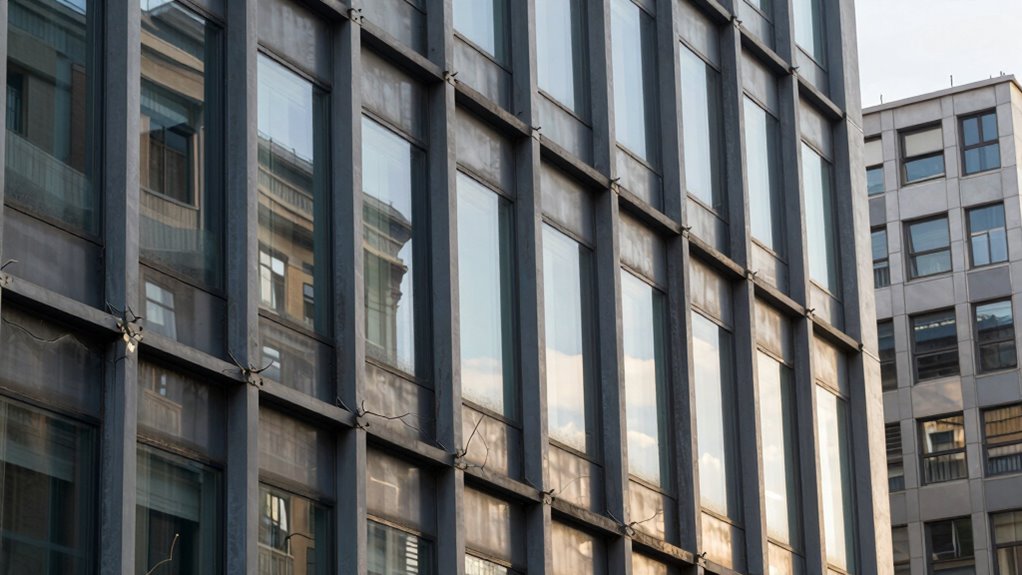
The building envelope plays a essential role in controlling indoor temperatures and minimizing temperature swings. It’s the barrier between the outside environment and the interior of your building, and its quality directly impacts how well your space stays comfortable. When the envelope isn’t well-designed or properly maintained, temperature fluctuations become more pronounced, making your indoor environment less stable. This is where thermal insulation and moisture barriers come into play. They’re indispensable components that help stabilize indoor temperatures and prevent rapid changes caused by external conditions.
Thermal insulation works by reducing heat transfer through the building envelope. During cold weather, it slows the escape of heat from inside, keeping your space warmer longer. In hot weather, it prevents external heat from penetrating the interior, helping keep indoor temperatures cooler. Without sufficient insulation, the building envelope becomes a conduit for heat flow, leading to sharp temperature swings that can make your interior uncomfortable and increase energy consumption. Proper insulation ensures a more consistent indoor climate, reducing the need for excessive heating or cooling. Additionally, thermal performance can be compromised if insulation materials degrade over time, emphasizing the importance of regular maintenance.
Moisture barriers are equally important because moisture infiltration can compromise the envelope’s ability to insulate effectively. When moisture seeps into walls, it can cause insulation materials to lose their R-value, diminishing their insulating properties. Additionally, excess moisture can lead to mold growth, structural damage, and indoor air quality issues. Moisture barriers act as a shield, preventing water from penetrating the building envelope and protecting insulation materials from dampness. When moisture is kept at bay, the thermal performance of your insulation remains intact, and temperature stability improves. Moisture control is essential for maintaining the long-term durability of the building envelope.
The start of temperature swings at the building envelope often results from deficiencies in these protective layers. Gaps or damage in insulation and moisture barriers allow external temperature influences to seep inside more easily. Over time, weather conditions such as wind, rain, and fluctuating temperatures can wear down these barriers, further exacerbating the problem. That’s why regular inspection and maintenance of the building envelope are essential. Upgrading or repairing thermal insulation and moisture barriers can considerably reduce temperature swings, making your indoor environment more comfortable and energy-efficient. Using high-quality materials can significantly enhance the longevity and effectiveness of these protective layers, ensuring ongoing performance.
In addition, the quality of materials used in constructing these barriers significantly impacts their durability and effectiveness. The use of high-quality materials can extend the lifespan of insulation and moisture barriers, ensuring ongoing protection against external weather influences. Well-made barriers also tend to be more resistant to wear and tear caused by environmental factors, such as wind-driven rain or temperature extremes.
In essence, the building envelope’s integrity is the first line of defense against unpredictable temperature fluctuations. By prioritizing high-quality insulation and moisture barriers, you help create a more stable indoor climate, reducing energy costs and enhancing comfort. When these layers function correctly, they act as a buffer that minimizes the impact of external weather, ensuring your indoor environment remains consistent regardless of what’s happening outside.
As an affiliate, we earn on qualifying purchases.
Frequently Asked Questions
How Do Climate Conditions Influence Envelope Temperature Swings?
Climate conditions substantially influence envelope temperature swings by affecting solar radiation and thermal mass. In hot, sunny climates, increased solar radiation causes rapid heating of the building envelope, leading to larger temperature fluctuations. Conversely, in cooler or less sunny environments, thermal mass helps stabilize temperatures by absorbing and releasing heat slowly. Understanding these factors helps you design building envelopes that manage temperature swings effectively, enhancing comfort and energy efficiency.
What Materials Best Resist Rapid Temperature Changes?
Did you know that materials with high thermal mass can absorb and release heat slowly, reducing temperature swings by up to 50%? You should choose materials with excellent durability and thermal mass, like concrete, brick, or stone, to resist rapid temperature changes. These materials stabilize indoor temperatures, improve energy efficiency, and last longer, making them ideal for building envelopes facing fluctuating weather conditions.
How Does Insulation Impact Envelope Temperature Stability?
Insulation enhances your building’s envelope by reducing heat transfer, which stabilizes temperatures inside. It minimizes thermal bridging, preventing hot and cold spots that cause fluctuations. Proper insulation also aids moisture control, avoiding condensation that can damage materials and disrupt temperature consistency. Together, these factors keep your interior temperatures steady, lowering energy costs and increasing comfort. Effective insulation acts as a barrier, ensuring your building maintains a more consistent, stable environment.
Can Design Modifications Reduce Envelope-Related Temperature Swings?
Yes, design modifications can considerably reduce envelope-related temperature swings. You should focus on building design strategies like adding shading devices, choosing high-performance insulation, and optimizing window placement. Material selection also plays a key role; opt for materials with better thermal mass and lower heat transfer coefficients. These adjustments help stabilize indoor temperatures by minimizing heat gain and loss, ultimately creating a more energy-efficient and comfortable environment.
What Role Do Ventilation Systems Play in Managing Envelope Temperatures?
Ventilation systems play a vital role in managing envelope temperatures by promoting air exchange, which helps regulate indoor temperatures and prevent heat buildup. They also assist in moisture control, reducing humidity that can cause temperature fluctuations. By efficiently exchanging air and controlling moisture, your ventilation system minimizes temperature swings, maintains comfort, and protects the building’s envelope from moisture-related issues that can accelerate temperature changes and structural damage.
As an affiliate, we earn on qualifying purchases.
Conclusion
Think of your building envelope as the skin of a giant, breathing creature. When it’s compromised, heat escapes or sneaks in like mischievous winds, triggering temperature swings that ripple through your space. Sealing those gaps is like sealing a wound—restoring balance and calm. When your envelope is tight, it’s as if you’ve bottled up a peaceful, steady heartbeat inside. Protect it, and your indoor climate will stay steady, like a gentle, unwavering tide.
As an affiliate, we earn on qualifying purchases.
As an affiliate, we earn on qualifying purchases.
Fall Picks
fall essentials
As an affiliate, we earn on qualifying purchases.