Air leaks often beat insulation because they allow outdoor air to enter without your notice, causing drafts, cold spots, and discomfort. These leaks undermine your home’s energy efficiency and indoor air quality more than insulation alone can. Even small gaps around windows, doors, or openings can cause significant issues. Understanding how air moves inside your home helps identify hidden leaks. Keep exploring to discover how sealing these leaks can improve your comfort and save energy.
Key Takeaways
- Air leaks allow unconditioned outdoor air to bypass insulation, undermining its effectiveness.
- Small gaps can create drafts and cold spots, making insulation less noticeable in maintaining comfort.
- Leaks often occur at overlooked points like windows and doors, reducing insulation’s impact.
- Air movement caused by leaks can carry pollutants, affecting indoor air quality despite good insulation.
- Sealing air leaks enhances insulation performance by preventing unwanted air infiltration and improving energy efficiency.
Many people underestimate how much air leaks can influence their home’s comfort and health. Even small gaps can let in enough outdoor air to cause drafts, cold spots, or stuffiness. These issues can make your home feel uncomfortable despite a well-insulated structure. By sealing air leaks, you create a tighter building envelope, which enhances both energy efficiency and air quality. Additionally, addressing air infiltration can significantly reduce energy waste and improve overall indoor environmental quality. It’s a simple step that offers a big return—lower energy bills, a more consistent indoor climate, and cleaner air. Proper ventilation solutions can further improve indoor air quality by ensuring a steady exchange of fresh air while minimizing unwanted infiltration. Recognizing common leak points around windows, doors, and other openings is key to effective sealing. Understanding how air leaks interact with insulation can help homeowners target the most impactful areas for sealing. Being aware of air movement patterns inside your home can also guide you in identifying hidden leak sources that might otherwise go unnoticed.
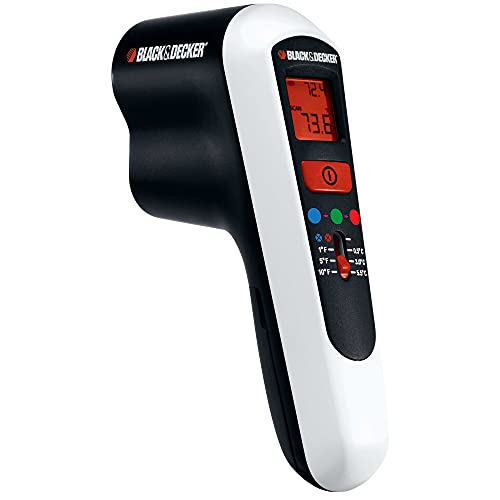
BLACK+DECKER Thermal Leak Detector (TLD100)
SAVE ON ENERGY COSTS – Track down power-draining drafts around the house to help reduce your heating and…
As an affiliate, we earn on qualifying purchases.
As an affiliate, we earn on qualifying purchases.
Frequently Asked Questions
How Can I Detect Hidden Air Leaks in My Home?
To detect hidden air leaks, you can use DIY detection methods like holding a lit candle or incense stick near suspect areas—watch for flickering. Sealant techniques involve inspecting around windows, doors, and electrical outlets for drafts or cracks. Use your hand or a piece of tissue to feel for air movement. These simple steps help identify leaks, saving energy and improving comfort without needing professional tools.
Are Air Leaks More Common in Older or Newer Homes?
Air leaks are more common in older homes because building standards have improved over time, making newer homes better sealed. During your home renovation, consider upgrading insulation and sealing gaps to prevent leaks. Older homes often have worn-out seals, cracked windows, or gaps around doors, which contribute to leaks. Addressing these issues enhances energy efficiency, comfort, and reduces your heating and cooling costs, regardless of your home’s age.
Can Sealing Air Leaks Improve Indoor Air Quality?
Sealing air leaks is like installing a filter for your home’s breath—improving indoor air quality by reducing indoor pollutant infiltration. When you block these leaks, you not only keep out dust and allergens but also boost HVAC efficiency, making your system run smoother and use less energy. This creates a healthier, more comfortable environment, where fresh air stays in and pollutants stay out, enhancing your overall home experience.
What Tools Are Best for Identifying Air Leaks?
You should use a blower door to detect air leaks effectively, as it pressurizes your home and reveals leaks through pressure differences. An infrared camera is also helpful, showing temperature variations that pinpoint leaks and drafts. Both tools give you a clear picture of where leaks occur, making it easier to seal them properly. Combining these methods guarantees you identify and address all leaks for better energy efficiency.
How Often Should I Check for Air Leaks?
You should check for air leaks at least once a year to maintain energy efficiency and maximize cost savings. Seasonal changes, like winter and summer, can reveal leaks as temperatures fluctuate. Regular inspections help you identify and seal leaks early, preventing energy loss and reducing your utility bills. Keep an eye on common problem areas such as doors, windows, and vents, ensuring your home stays comfortable and energy-efficient year-round.

D-ETEGNIK Front Door Window & Vent Glass Weatherstrip Seal Kit – 1-Piece Design – Compatible with Chevy C10 C20 C30 K10 K20 K30 Blazer Suburban & GMC C/K/V/R 1500–3500, Jimmy
Upgraded One-Piece Design : Features a modern 1-piece design that replaces the original 2-piece seal, offering better sealing…
As an affiliate, we earn on qualifying purchases.
As an affiliate, we earn on qualifying purchases.
Conclusion
So, next time you think about keeping your home cozy, remember that tiny air leaks are like sneaky whispers slipping through cracks, cooling your home more than thick insulation ever could. Imagine the warm air you’ve worked so hard to trap escaping through these invisible doors, just like a gentle breeze stealing warmth from your fingertips. Fixing those leaks seals in comfort, turning your house into a fortress against the chilly outside world.

Holikme Door Draft Stopper Door Sweep Weather Stripping Noise Blocker Window Breeze Blocker Adjustable Draft Door Closers, Grey
Easy to install: adjustable size for most homes; Please measure the gap and width of the door before…
As an affiliate, we earn on qualifying purchases.
As an affiliate, we earn on qualifying purchases.

Mokani Caulk Tape Waterproof Self Adhesive, 2 Rolls White Caulking Sealant Strip for Kitchen, Countertop, Bathroom, Sink, Bathtub, Toilet, Floor Wall Edge Protector with Sealing Tool (1.5" x 10.5Ft)
【Size】Each roll Width: 38mm/1.5 inch, Length: 3.2m/126 inch.
As an affiliate, we earn on qualifying purchases.
As an affiliate, we earn on qualifying purchases.