Achieving cleaner air in your workshop takes time because effective dust control relies on proper system design, consistent maintenance, and ongoing testing. You need to install the right filtration options, regularly clean filters and ducts, and address leaks to guarantee efficiency. It’s a continuous process that demands patience and commitment. As you improve your setup and monitor results, you’ll see gradual progress. Keep exploring, and you’ll discover how to optimize your dust management for better air quality.
Key Takeaways
- Achieving cleaner air requires ongoing system maintenance and regular testing to ensure filters and ducts remain effective.
- Installing and fine-tuning dust collection systems takes time to optimize for specific workspace conditions.
- Continuous improvements, such as upgrading filters and adjusting airflow, are necessary for sustained air quality.
- Small airborne particles can persist, requiring patience and consistent effort to eliminate effectively.
- Regular monitoring helps identify issues early, allowing for timely adjustments that enhance overall air cleanliness.
Have you ever wondered how to keep the air in your workshop clean and safe? It’s a common concern, especially when working with wood, metal, or other materials that generate dust and airborne particles. Proper air filtration isn’t just about installing a machine; it’s about understanding the significance of effective dust control and consistently monitoring your air quality. Achieving truly clean air takes time and effort, but it’s worth it for your health and the quality of your work.
Maintaining clean, safe workshop air requires consistent dust control and regular air quality monitoring.
Dust control is the first step. Without a good system in place, dust can settle on surfaces, clog filters, and circulate back into the air. Investing in a high-quality dust collection system helps capture particles at the source before they disperse. It’s vital to tailor your dust control methods to your specific workspace—whether that’s using local exhaust systems for individual tools or a central vacuum system for larger areas. Keep in mind, even the best dust control setup won’t be effective if you don’t maintain it regularly. Clean filters, clear ducts, and promptly address any leaks or blockages to guarantee maximum performance.
But preventing dust isn’t enough; you also need to verify that your efforts are working. That’s where air quality testing comes in. Regular testing allows you to measure the concentration of airborne contaminants and identify whether your current filtration setup is sufficient. It’s a proactive way to catch issues before they become health hazards. Air quality testing typically involves using specialized monitors that detect particles as small as 0.3 microns, giving you a clear picture of what’s floating in your workspace. If tests reveal high particle levels, you’ll know it’s time to upgrade your filtration system or improve your dust control practices.
Patience is key. Clean air in a workshop isn’t a one-and-done project; it’s an ongoing process. It takes time to install, fine-tune, and maintain effective dust control systems and to see measurable improvements through air quality testing. Rushing through these steps can lead to overlooked leaks or underperforming filters, which compromise air safety. The goal is to create a safe environment where dust and airborne particles are kept at bay, allowing you to work comfortably and healthily over the long term. Remember, good air quality isn’t just about immediate results—it’s about sustained effort, regular checks, and continuous improvements in your filtration approach. Additionally, understanding the importance of air filtration technology can help you choose the most effective solutions for your workspace.
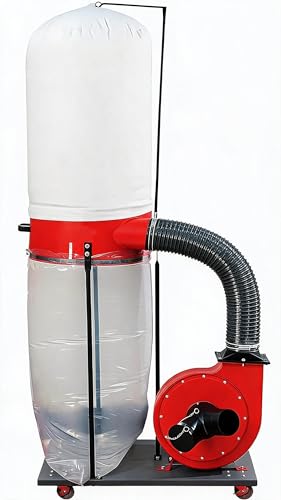
Industrial 1500W Dust Collection System, 2HP Wood Shop Dust Collector with 50-Gallon Bag, Heavy-Duty Vertical Dust Collectors for Woodworking, Ideal for Workshop Air Filtration
Powerful 1500W Dust Collection System: Efficiently removes dust and debris with a high-performance motor, ensuring your workspace air…
As an affiliate, we earn on qualifying purchases.
As an affiliate, we earn on qualifying purchases.
Frequently Asked Questions
How Often Should Workshop Air Filters Be Replaced?
You should replace your workshop air filters based on their filter lifespan, typically every 3 to 6 months, depending on usage and air quality. Regularly check the replacement schedule, as filters become less effective over time, reducing air cleanliness. If you notice decreased airflow or increased dust, it’s time for a replacement. Staying on top of your filter maintenance guarantees cleaner air and a healthier workspace.
What Is the Most Effective Type of Air Filtration System?
Think of an air filtration system as the heart of your workshop’s clean air. The most effective setup combines HEPA filters, which trap tiny particles, with activated carbon to absorb fumes and odors. This dual approach guarantees thorough air purification. While a HEPA filter excels at removing dust and allergens, activated carbon tackles volatile organic compounds, creating a safer, healthier environment. It’s the perfect partnership for cleaner, fresher air.
Can Air Purifiers Eliminate All Workshop Airborne Particles?
Air purifiers can’t eliminate all workshop airborne particles due to their limitations. While they excel at particle size filtration, especially for larger dust and fumes, tiny particles like aerosols or ultrafine dust can slip through, making complete removal impossible. You need multiple filtration methods and proper ventilation to substantially reduce airborne contaminants. Relying solely on air purifiers won’t guarantee perfectly clean air, but they do play a vital role in improving your workshop environment.
How Does Humidity Affect Air Filtration Efficiency?
Humidity impact can considerably affect your air filtration efficiency. High moisture effects cause particles to cling together, making filters less effective at capturing them. Conversely, low humidity can cause static buildup, which can attract dust and improve filtration. You should monitor humidity levels to optimize filter performance, as maintaining balanced moisture prevents clogging and ensures cleaner air. Adjusting humidity helps your filtration system work more effectively and prolongs filter lifespan.
Are There Any Health Risks From Improper Air Filtration?
If you don’t have proper air filtration, you risk occupational hazards like dust exposure, which can cause respiratory problems and long-term health issues. Poor filtration leaves harmful particles in the air, increasing the danger for you and others in your workshop. Always guarantee your filtration system is effective and maintained regularly to minimize dust exposure and protect your health from these occupational hazards.
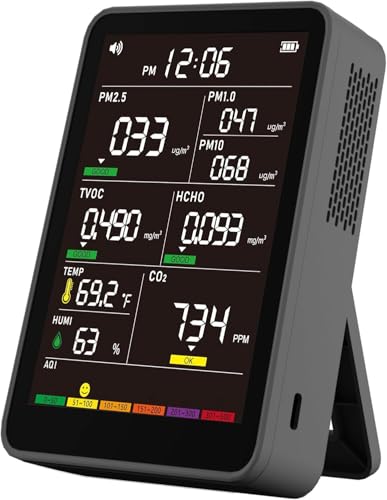
Professional Indoor Air Quality Monitor with AQI Alerts, Portable Real-Time Detector for Home, Car, Plants & Pets (Matte Black)
【Up to 4h Run-Time & Fast-Charge】: Enjoy up to 4-5 hours of operation on a single charge with…
As an affiliate, we earn on qualifying purchases.
As an affiliate, we earn on qualifying purchases.
Conclusion
Remember, achieving truly clean air in your workshop isn’t instant—it takes time, patience, and the right filtration system. Rushing the process is like expecting a knight to appear at your doorstep immediately after calling for one. Trust the system, give it time, and you’ll soon enjoy a healthier, safer workspace. In the end, cleaner air isn’t just a fantasy; with persistence, it’s a reality you’ll marvel at, just like discovering a hidden treasure chest in your own backyard.
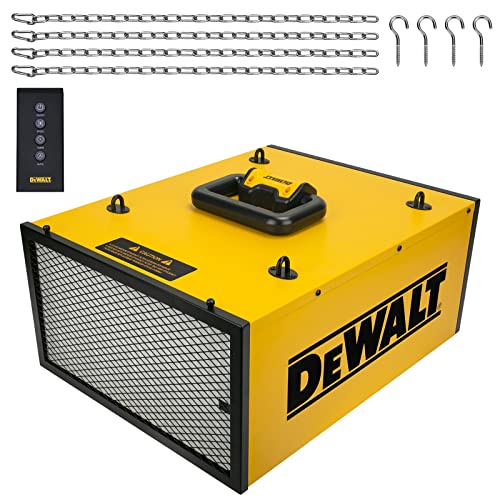
DeWALT DWXAF101 Air Filtration System, 3-Speed Hanging Ceiling Dust Collectors for Woodworking, Remote Controlled Dust Collection Systems, 2 Stage Filtration, for Shop Garage
【2-STAGE FILTRATION】This dust collector is equipped with a 2-stage filtration system, featuring a static cotton pre-filter and an…
As an affiliate, we earn on qualifying purchases.
As an affiliate, we earn on qualifying purchases.
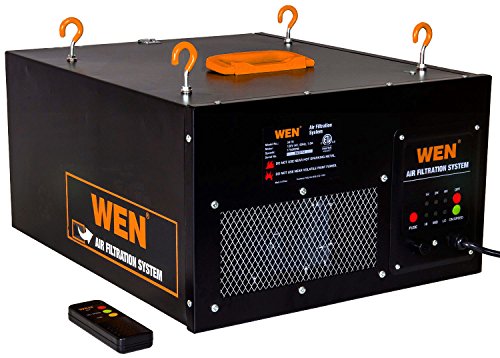
WEN 3410 3-Speed Remote-Controlled Air Filtration System (300/350/400 CFM), Basic w/ RF Remote (400 CFM) , Black
Includes a 1-micron filter and a 5-micron pre-filter, both of which can be easily replaced
As an affiliate, we earn on qualifying purchases.
As an affiliate, we earn on qualifying purchases.