
Normal use of a septic system means using it responsibly by avoiding flushing non-biodegradable items, chemicals, or grease. It involves regular inspections, pump-outs every 3 to 5 years, and monitoring for signs of sludge buildup or leaks. Conserving water by installing efficient fixtures also helps prevent overload. Proper maintenance keeps your system functioning well and extends its lifespan. To guarantee your system remains reliable, understanding what proper use entails is essential—you’ll discover more tips as you continue.
Key Takeaways
- Normal use means operating the septic system within its designed capacity without overloads.
- It involves proper water conservation to prevent excessive wastewater flow.
- Regular inspections and pump-outs are part of maintaining typical system function.
- Avoid flushing non-biodegradable items or chemicals that can disrupt normal operation.
- Proper drain field management and responsible habits ensure the system functions normally.
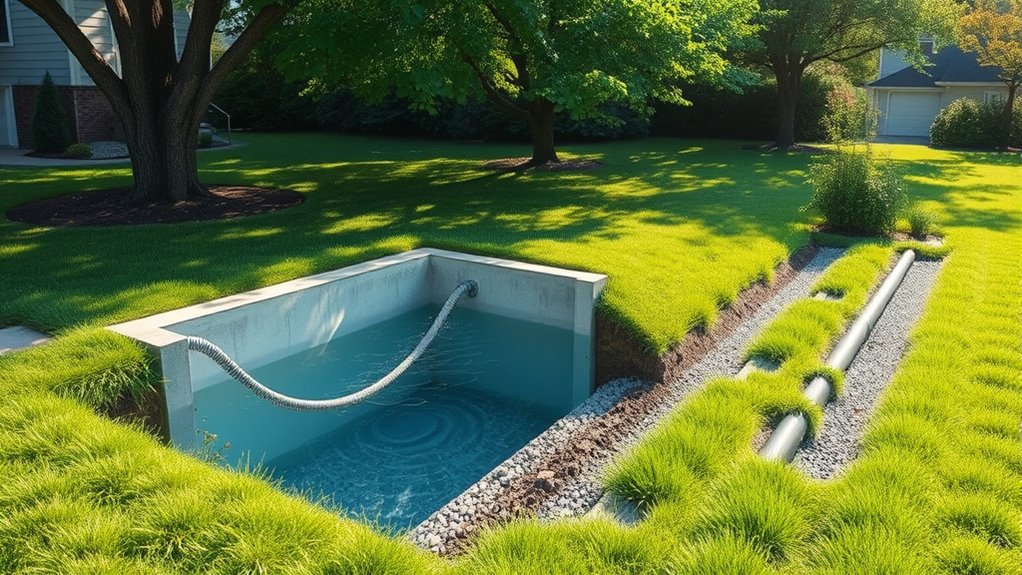
If your home isn’t connected to a municipal sewer system, you likely rely on a septic system to treat and dispose of wastewater. Understanding how it works helps you keep it functioning smoothly. Central to this is the septic tank, which holds wastewater from your home. Regular tank maintenance is essential to prevent issues like backups and odors. You should schedule inspections and pump-outs every 3 to 5 years, depending on your household size and usage. During these visits, professionals check for signs of sludge buildup, leaks, or damage. Keeping the tank in good condition ensures it can perform its role efficiently, reducing the risk of costly repairs or replacements down the line.
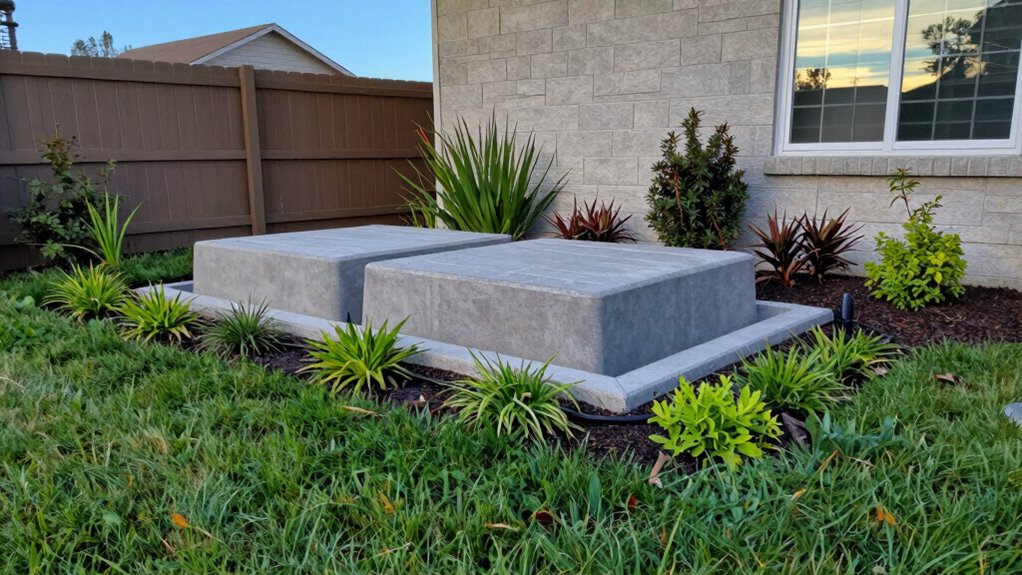
Beyond the tank, the drain field plays a key role in wastewater treatment. Once the septic tank separates solids from liquids, the effluent flows into the drain field, where soil naturally filters out contaminants. Proper drain field management is essential for system longevity. Avoid planting trees or shrubs with invasive roots near the drain field, as roots can penetrate and damage the pipes. Also, steer clear of parking vehicles or placing heavy objects over the drain field to prevent soil compaction, which hampers drainage. Using water wisely is another way to protect your drain field—limiting excessive water use prevents overwhelming the system and reduces the risk of backups or system failure.
Maintaining your septic system isn’t just about avoiding trouble; it also promotes environmental health. When tank maintenance is neglected or the drain field becomes compromised, untreated wastewater can seep into the soil and groundwater, posing health risks. Being mindful of what you flush is essential—avoid disposing of non-biodegradable items, chemicals, or grease that can clog or damage your system. Also, consider installing water-efficient fixtures to minimize the load on your septic system, extending its lifespan and reducing maintenance costs. Additionally, understanding the importance of high-quality components in your septic system can further enhance its durability and performance.
In essence, “normal use” means using your septic system responsibly—being attentive to tank maintenance, protecting the drain field, and conserving water. These practices help guarantee your system functions reliably, keeps your home safe, and prevents environmental contamination. Regular upkeep and mindful habits turn septic system management into a straightforward part of homeownership, giving you peace of mind knowing your wastewater is handled properly. By understanding and respecting these basic principles, you keep your septic system operating efficiently for years to come.

Natotela 264gal Underground Septic Tank Kit-68.3×38.8×36.2in Plastic Septic Tank System,Rectangle Anti Corrosion PP Septic System With Riser and Manhole Covers For 3-5 Persons
STRONG INJECTION MOLDED POLYPROPYLENE STRUCTURE: Our 264gal septic tank has the characteristics of high strength, acid and alkali…
As an affiliate, we earn on qualifying purchases.
As an affiliate, we earn on qualifying purchases.
Frequently Asked Questions
How Often Should I Have My Septic Tank Inspected?
You should have your septic tank inspected at least every three years to guarantee proper maintenance. Regular inspection frequency helps catch issues early, preventing costly repairs. Follow maintenance tips like monitoring your water usage and avoiding harmful chemicals. If your household has multiple users or uses heavy water appliances, consider more frequent inspections. Staying consistent with inspections keeps your septic system functioning efficiently and extends its lifespan.
What Are Signs of Septic System Failure?
You’ll notice septic system failure if you detect strong septic tank odors around your property or inside your home. Additionally, slow drains, sewage backups, or lush, unusually green patches over your drain field can indicate problems. If you see standing water or suspect groundwater contamination near your septic system, it’s a clear sign of failure. Address these issues promptly to prevent costly repairs and environmental damage.
Can I Flush Medications or Chemicals?
Think of your septic system as a delicate garden—flushing medications or chemicals is like pouring poison on it. You shouldn’t do medication disposal or chemical flushing down the drain because these substances can kill beneficial bacteria vital for breaking down waste. Instead, find designated medication disposal sites or follow local guidelines. Proper disposal protects your system’s health and keeps your groundwater safe. Remember, what you flush matters.
How Long Does a Septic System Typically Last?
Your septic system typically lasts between 20 to 30 years with proper maintenance. To maximize its lifespan, stick to a regular maintenance schedule, including inspections and pumping every 3-5 years. Proper use and avoiding chemicals or medications that can disrupt the bacteria balance are essential. By following these guidelines, you help guarantee your tank remains functional for its full lifespan, saving you money and preventing costly repairs.
Are There Eco-Friendly Alternatives to Traditional Septic Systems?
Switch to sustainable systems like composting toilets or constructed wetlands for eco-friendly alternatives. These options reduce water use, recycle waste naturally, and minimize environmental impact. By choosing composting toilets, you cut down on harmful chemicals and save water, while constructed wetlands use natural processes to treat wastewater effectively. Embracing these eco-friendly alternatives helps protect the planet, promotes sustainability, and provides practical, environmentally conscious solutions for your septic needs.

PRO-PUMP HI-COUNT Professional Grade Septic Tank Maintenance Liquid, 1 Gallon
HIGHLY CONCENTRATED FORMULA: PRO-PUMP HI-COUNT Liquid is a powerful solution designed to maintain and restore your home’s septic…
As an affiliate, we earn on qualifying purchases.
As an affiliate, we earn on qualifying purchases.
Conclusion
Remember, understanding what “normal use” really means helps keep your septic system running smoothly. By avoiding overloading it and being mindful of what you flush, you protect your home and the environment. Think of your septic system like a garden—you reap what you sow. If you take good care of it, it’ll serve you well for years to come. Stay consistent and cautious, and you’ll keep things flowing just right.
Natotela 264gal Underground Septic Tank Kit-68.3×38.8×36.2in Plastic Septic Tank System,Rectangle Anti Corrosion PP Septic System With Riser and Manhole Covers For 3-5 Persons
STRONG INJECTION MOLDED POLYPROPYLENE STRUCTURE: Our 264gal septic tank has the characteristics of high strength, acid and alkali…
As an affiliate, we earn on qualifying purchases.
As an affiliate, we earn on qualifying purchases.

Roebic K-570-Q 32-Ounce Leach And Drain Field Opener Concentrate
TREATS CLOGS AND BUILDUP: Roebic K-570 Leach and Drain Field Opener helps to rapidly break up clogged or…
As an affiliate, we earn on qualifying purchases.
As an affiliate, we earn on qualifying purchases.