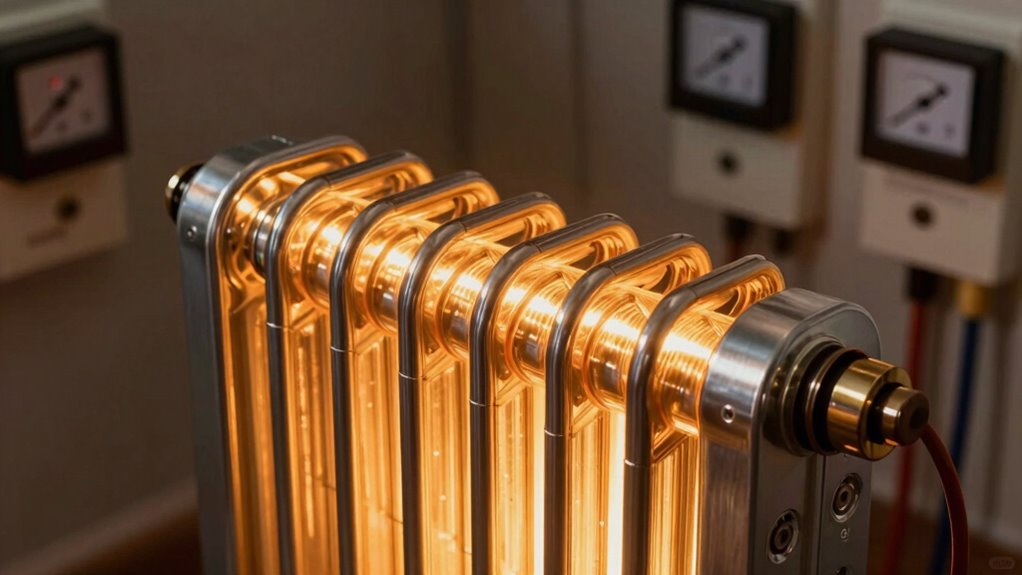

Resistive heaters might seem affordable upfront, but they’re usually expensive to run because they convert almost 100% of electricity into heat, leading to high energy bills. Unlike heat pumps or gas systems, they use a lot more electricity for the same warmth, making them less efficient and costlier over time. If you want to discover smarter, more cost-effective ways to stay warm, there’s more to learn about better heating options.
Key Takeaways
- Resistive heaters convert nearly 100% of electricity into heat but consume high amounts of power, leading to higher energy costs.
- They lack energy efficiency compared to heat pumps or gas systems, increasing operational expenses over time.
- Their simple design results in lower upfront costs but significantly higher utility bills during long-term use.
- High electricity consumption from resistive heaters results in a larger environmental footprint.
- Market trends favor energy-efficient heating options, making resistive heaters less cost-effective for sustained comfort.
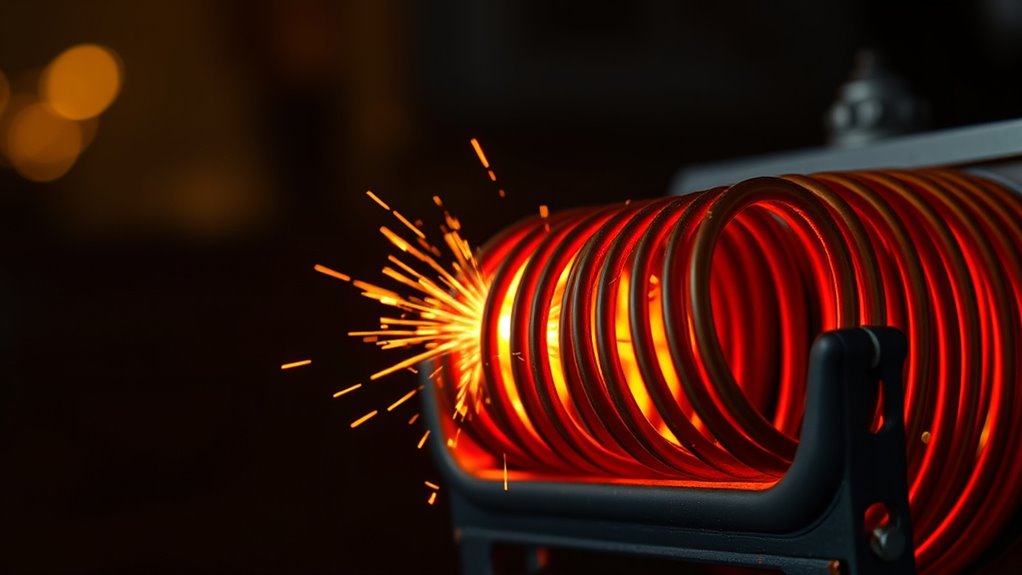
Have you ever wondered how heat and electricity compare as sources of energy? When deciding between different heating options, understanding their energy efficiency and cost comparison is essential. Resistive heaters, which convert electrical energy directly into heat through resistance, are often the first choice for comfort, but they tend to be expensive over time. They might seem straightforward and convenient, but their operational costs can add up quickly, especially if you’re trying to heat a large space or use them frequently. Because they rely solely on electrical resistance, they’re generally less energy-efficient than other heating methods, meaning you need more power to produce the same amount of warmth. That translates directly into higher electricity bills.
The energy efficiency of resistive heaters is a critical factor when comparing them to other heating sources like heat pumps or gas furnaces. These alternatives can often provide the same amount of warmth with less energy, making them more cost-effective in the long run. For example, heat pumps transfer heat from the outside air into your home, using a small amount of electricity to move significantly larger quantities of heat. This process requires less energy overall, leading to a better cost comparison over time. While resistive heaters convert nearly 100% of the electricity they use into heat, that doesn’t mean they’re the most efficient choice for your wallet or the environment. Their high energy consumption results in higher utility bills, especially during colder months when heating needs spike.
Additionally, the energy efficiency of heating systems plays a crucial role in determining overall operating costs and environmental impact. Cost comparison between resistive heaters and other options clearly favors more efficient systems. The initial purchase price of resistive heaters may be low, but their running costs make them expensive comfort. Over months or years, the cumulative expenses can far outweigh the savings from a cheaper unit. If you’re trying to keep energy bills manageable, investing in a more efficient heating system might be smarter. Although resistive heaters are easy to install and maintain, they don’t deliver the same value in terms of energy efficiency and cost savings. This is why many energy-conscious homeowners are turning to alternative heating solutions that use less electricity and deliver more warmth for each unit of energy consumed.

DREO Space Heater, Portable Electric Heaters for Indoor Use with Thermostat
- Powerful Heating System: 1500W PTC ceramic with fast heat funnel
- Extended Heat Coverage: Circulates warm air up to 200% farther
- Enhanced Safety Features: Tilt sensor, flame retardant materials, ETL certified
As an affiliate, we earn on qualifying purchases.
As an affiliate, we earn on qualifying purchases.
Frequently Asked Questions
How Do Resistive Heaters Compare to Heat Pumps in Efficiency?
Resistive heaters are less efficient than heat pumps because they directly convert electricity into heat, leading to higher energy consumption and cost. Heat pumps use ambient air or ground heat, making them more energy-efficient and reducing your overall energy costs. While resistive heaters can be cheaper upfront, the ongoing energy expenses make heat pumps a smarter, more cost-effective choice for long-term comfort and efficiency.
What Are the Environmental Impacts of Resistive Heating?
Resistive heating impacts the environment mainly through its high carbon footprint and resource consumption. You use a lot of electricity, often generated from fossil fuels, which releases greenhouse gases. This process also consumes significant raw materials for manufacturing and maintaining the heaters. By choosing more energy-efficient options, you can reduce your environmental impact, lowering both resource use and emissions linked to resistive heating.
Can Resistive Heaters Be Integrated With Renewable Energy Sources?
Yes, resistive heaters can be integrated with renewable energy sources. You can use solar integration to power them directly from solar panels, reducing reliance on fossil fuels. Additionally, ensuring grid compatibility helps you connect resistive heaters safely to the existing power grid, especially when using renewable energy sources. This setup allows you to maximize renewable energy use while maintaining reliable heating, making your system more sustainable and cost-effective.
How Does Insulation Affect the Cost-Effectiveness of Resistive Heating?
Insulation plays a vital role in the cost-effectiveness of resistive heating. When you improve insulation, you maximize insulation savings and enhance energy retention, meaning your heater doesn’t have to work as hard to maintain warmth. This reduces energy consumption and lowers your utility bills. By investing in good insulation, you make resistive heating more efficient and affordable, saving you money over time and increasing overall comfort in your space.
What Maintenance Is Required for Resistive Heating Systems?
You should perform routine inspections of your resistive heating system to catch issues early. Regularly check for signs of wear or damage, and clean components like heating elements to guarantee efficient operation. You might need to replace worn-out parts or faulty components periodically to maintain safety and performance. Staying proactive with maintenance helps prevent costly repairs and keeps your system running smoothly, saving you money in the long run.

Senville Central Air Conditioning System, Heat Pump, Inverter, 3 Ton
- High-Efficiency Inverter Technology: Transforms existing AC into efficient mini-split
- Powerful Cooling Capacity: 36,000 BTU for large spaces up to 2000 sq ft
- Reliable Heating in Cold Weather: Inverter heat pump works down to -22F/-30C
As an affiliate, we earn on qualifying purchases.
As an affiliate, we earn on qualifying purchases.
Conclusion
So, next time you turn on that resistive heater, imagine it as a blazing sun trapped in your room—quick, intense, but fleeting and costly. While it offers immediate warmth, it drains your wallet faster than a summer storm fades. Consider smarter, more efficient options that dance like a gentle breeze rather than roar like a wildfire. Choosing wisely lets you embrace cozy comfort without the fiery price tag, turning your space into a warm sanctuary rather than a costly furnace.

Mr. Heater 30,000 BTU Vent Free Blue Flame Natural Gas Heater
- Heating Capacity: 30,000 BTU/hr
- Coverage Area: Heats up to 1,000 sq ft
- Ignition Type: Battery operated electronic ignition
As an affiliate, we earn on qualifying purchases.
As an affiliate, we earn on qualifying purchases.

Hydronic Radiant Heat Control Panel – 1 Zone | Pre-Assembled Heating Distribution System for Underfloor, Home & Space Heating | High-Efficiency & Easy Install
- Delivery Contact Requirement: Requires direct phone number for delivery
- Pre-Assembled Design: Pre-assembled for easy installation
- Energy-Efficient Heating: Provides reliable, energy-efficient radiant heat
As an affiliate, we earn on qualifying purchases.
As an affiliate, we earn on qualifying purchases.