Hidden leaks often go unnoticed until they cause costly damage like mold, rot, or structural issues. You might see rising water bills, unexplained dampness, or mold behind walls, but overlook these signals. Regular inspections, moisture detectors, and prompt repairs help catch leaks early before they turn into expensive emergencies. Staying vigilant can save you money and stress — keep exploring to learn more about spotting and preventing these silent water threats.
Key Takeaways
- Hidden leaks often go unnoticed behind walls, floors, or in crawl spaces, causing significant damage before detection.
- Early signs like damp spots or mold indicate concealed leaks that can escalate into costly repairs.
- Using advanced detection tools such as thermal imaging and moisture meters helps identify hidden leaks early.
- Small leaks can waste thousands of gallons of water and raise utility bills long before visible damage appears.
- Regular inspections and maintenance are essential to prevent unseen leaks from becoming expensive structural or mold problems.
Recognizing the Hidden Signs of Leaks

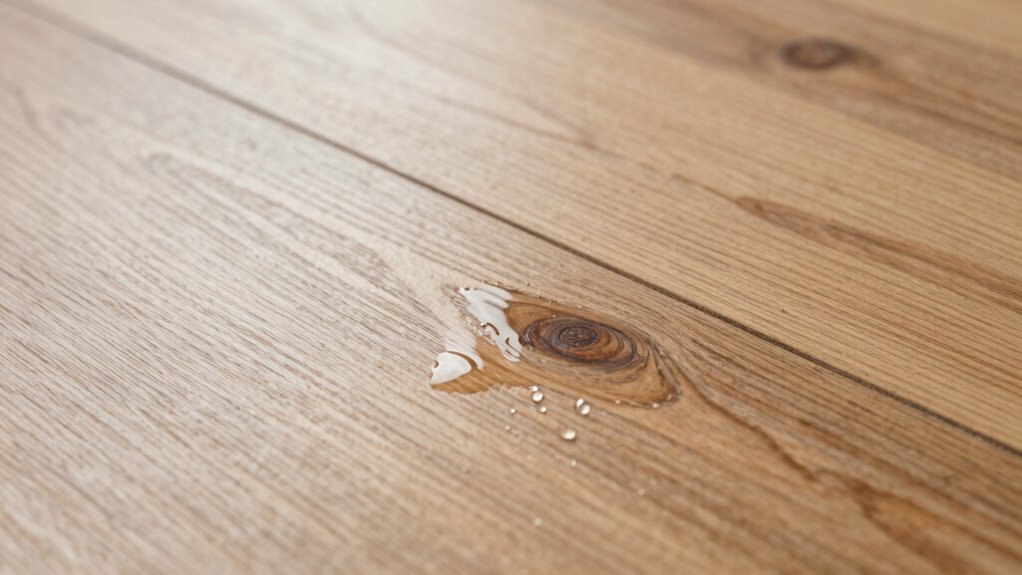
Leaking pipes often give subtle clues before causing major damage. As part of regular plumbing maintenance, stay alert to signs like fluctuating water bills or unexplained damp spots. These are early indicators of hidden leaks that might not be immediately obvious. Pay attention to sounds of dripping or running water even when fixtures are off. Mold or mildew growth in unlikely areas can also signal concealed leaks. Recognizing these signs early helps you take action before water damage worsens and saves money in repairs. Additionally, addressing leaks promptly supports water conservation efforts, helping to reduce unnecessary water wastage. Proper home maintenance and staying vigilant can help prevent small leaks from escalating into costly problems, ensuring your home stays efficient and damage-free. Being aware of how hidden leaks develop enables you to respond swiftly and avoid costly repairs down the line. Regular inspections and utilizing leak detection tools can further enhance your ability to catch issues early. Using advanced detection methods can improve your chances of identifying leaks before they become serious.
Common Areas Prone to Undetected Water Damage
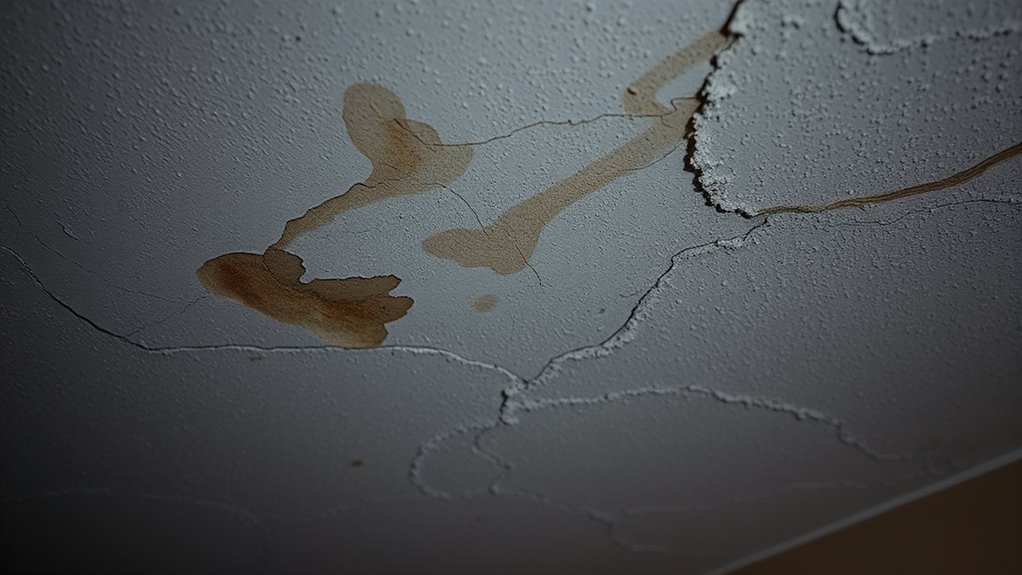
Water damage often hides in places you might not see right away, like behind walls or under your floors. Basements, crawl spaces, attics, and roof areas are also common spots where leaks can develop unnoticed. Being aware of these areas helps you catch problems before they become costly. Recognizing hidden damage detection techniques in other contexts can also aid in understanding how concealed issues might be hidden from plain sight. Additionally, employing support breakfast strategies can help you maintain a vigilant routine for home inspections. Regular seasonal checklists for cleaning and maintenance further support early leak detection and prevent escalation. Incorporating preventive maintenance practices can significantly reduce the risk of undetected water damage developing over time.
Hidden Spots Behind Walls
Even though they’re often hidden from view, certain areas behind your walls are surprisingly vulnerable to water damage. These spots include concealed fixtures and hidden pipes that can leak silently over time. Imagine a small leak spreading behind drywall, unnoticed until it causes significant damage. To visualize, consider this table:
| Area | Potential Issue | Warning Signs |
|---|---|---|
| Behind the sink | Hidden pipe leak | Moist patches, mold |
| Near the toilet | Concealed fixture leak | Water stains, odors |
| Inside wall cavity | Undetected pipe corrosion or crack | Warped drywall, musty smell |
Regular inspections help catch leaks early, which can be facilitated by understanding water chemistry and how it affects pipe integrity. Being aware of corrosion processes can help homeowners identify early signs of pipe deterioration. Understanding preventive maintenance also plays a critical role in avoiding costly repairs. Proper maintenance is essential in preventing these silent threats from escalating into major issues. Additionally, detecting early leak signs can save homeowners from costly repairs and extensive property damage.
Basements and Crawl Spaces
Basements and crawl spaces are often overlooked when it comes to water damage, yet they’re common areas where leaks can go unnoticed for months. Poor garden drainage can lead to excess moisture seeping into these spaces, especially during heavy rains. Check if your yard slopes away from the foundation, and ensure your drainage system directs water properly. Additionally, inspect pipe insulation around plumbing to prevent freezing and leaks that could cause hidden damage. Small drips or dampness in these areas often go unnoticed until they cause significant issues like mold or structural weakening. Regularly monitoring these spaces, maintaining proper drainage, and insulating pipes can help you catch leaks early and avoid costly repairs down the line. Understanding the importance of filtration systems in preventing moisture buildup can further protect these vulnerable areas. Installing dehumidifiers can also help control humidity levels and reduce the risk of mold growth. Proper air circulation and ventilation are essential in preventing stale, damp conditions that foster mold and rot, and using moisture barriers can add an extra layer of protection against water infiltration. Additionally, ensuring that your air purifier maintenance is up to date can help improve indoor air quality and prevent the buildup of airborne mold spores that exacerbate moisture problems.
Attics and Roof Areas
Attics and roof areas are often overlooked when it comes to water damage, yet they’re common spots for leaks that can go unnoticed for months. Poor attic ventilation can cause moisture buildup, leading to insulation degradation and mold growth. When insulation breaks down, it loses its effectiveness, making it harder to spot leaks early. Water can seep through damaged shingles or flashing, pooling in hidden corners without immediate signs. Over time, this hidden damage can weaken rafters and compromise the roof’s integrity. Regular inspections of your attic and roof area help catch issues before they escalate. Make sure vents are clear, insulation is intact, and look for signs of water stains or mold. Catching leaks early in these areas can save you significant repair costs later. Additionally, understanding modern kitchen technology can inspire smarter maintenance solutions for your home, ensuring these hidden issues are detected early with connected sensors and automation. Incorporating home monitoring systems can further help detect leaks promptly, preventing costly damage. Regular assessments, including checking for vapor barriers, and ensuring proper insulation, can also help mitigate unseen water intrusion. Moreover, using smart home automation devices can facilitate real-time alerts and remote monitoring, giving homeowners peace of mind. Furthermore, integrating moisture sensors into your attic and roof areas can provide continuous oversight, catching leaks the moment they occur and avoiding extensive repairs.
The Costly Impact of Small Leaks Over Time
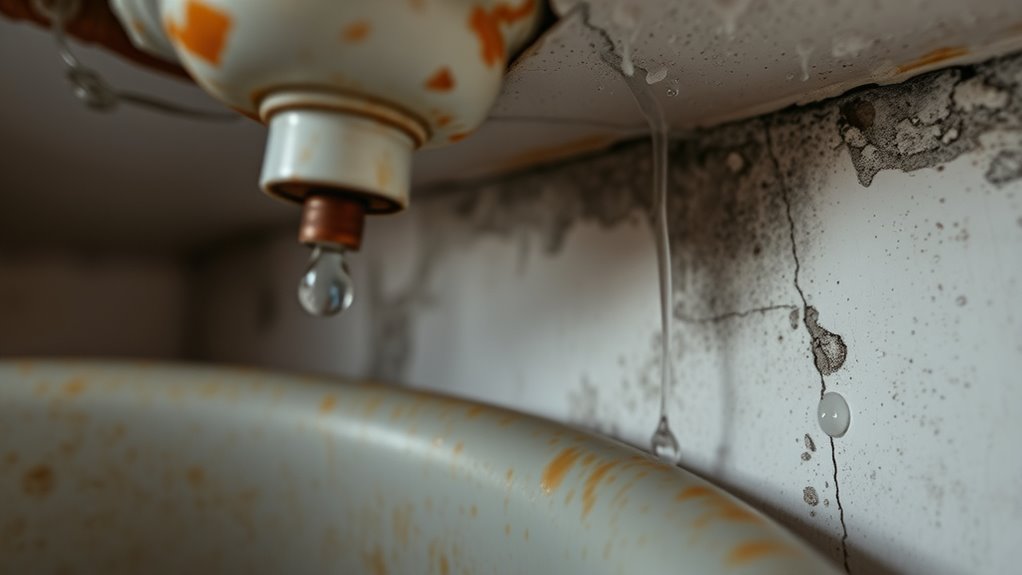
Even small leaks can quietly drain your water supply and inflate your utility bills over time. Hidden water losses often go unnoticed until they cause significant structural damage or mold growth. Addressing leaks early can save you money and prevent costly repairs down the line.
Hidden Water Losses
Small leaks often go unnoticed because they don’t cause immediate water damage or loud noises, but over time, they silently drain your resources. These hidden water losses can add up quickly, wasting gallons of water without you realizing it. This not only harms water conservation efforts but also inflates your utility bills unexpectedly. Leak detection becomes vital in catching these small leaks early before they turn into costly repairs. Regular inspections of pipes, fixtures, and appliances can help identify hidden leaks that might be leaking behind walls or under floors. Addressing these leaks promptly minimizes water waste and prevents the damage that often accompanies larger, more obvious leaks. Staying vigilant about water conservation and leak detection saves you money and helps protect the environment.
Rising Utility Bills
Hidden water losses don’t just waste resources—they also drive up your utility bills over time. Small leaks may seem insignificant, but they steadily increase your water usage, leading to higher costs. Effective leak detection is essential to catch these hidden issues early and prevent unnecessary expenses. By fixing leaks promptly, you conserve water and reduce the strain on your wallet. Over months or years, those tiny drips can add up to significant costs, making your utility bills climb unexpectedly. Prioritizing water conservation through routine inspections helps keep your bills in check and ensures you aren’t paying for water you never used. Staying vigilant about leaks not only saves money but also supports sustainable water usage for the environment.
Structural Damage Risks
Over time, small leaks can cause significant structural damage to your property if left unchecked. Continuous leaks weaken pipe insulation, leading to corrosion and deterioration of pipes, which increases the risk of burst or failure. Hidden leaks behind walls or under floors can cause wood framing and drywall to warp, rot, or develop mold, compromising structural integrity. Poor drain cleaning practices can allow minor leaks to go unnoticed, gradually eroding foundation or flooring materials. These issues often require costly repairs once discovered. Addressing leaks early prevents extensive damage and preserves your property’s stability. Regular inspections, prompt drain cleaning, and proper pipe insulation are essential to minimize these risks and protect your investment from the costly consequences of undetected leaks.
Tools and Techniques to Detect Leaks Early
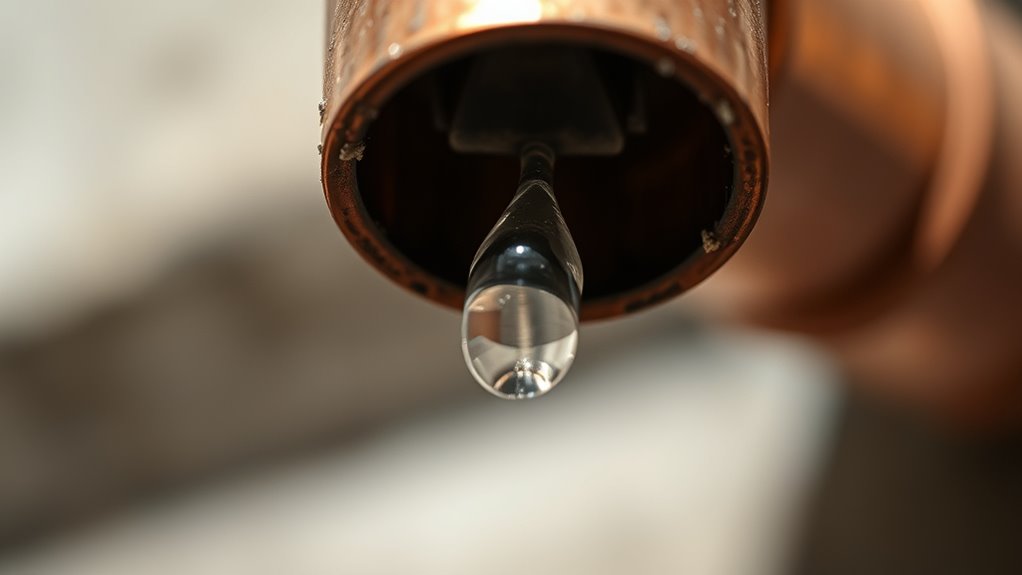
Detecting leaks early can save you significant money and prevent damage, but it requires the right tools and techniques. Modern methods include using smart sensors that monitor for abnormal moisture levels and alert you immediately. Moisture meters are also essential; they help you pinpoint hidden leaks behind walls or under floors. These tools make it easier to identify issues before they escalate. Additionally, thermal imaging cameras can detect temperature differences caused by leaks, offering a non-invasive solution. Regular inspections with these tools can help you catch leaks in their infancy, avoiding costly repairs later. By staying proactive and utilizing technology, you can protect your property effectively. Remember, early detection is key to preventing long-term damage and expense.
Preventative Measures to Minimize Leak Risks
Taking proactive steps to prevent leaks is essential for safeguarding your property and avoiding costly repairs. Regular plumbing maintenance helps identify weak spots or corrosion before they turn into major problems. Check hoses, fittings, and exposed pipes routinely, tightening or replacing any worn parts. Implement water conservation practices to reduce strain on your plumbing system and minimize potential leak sources. Fix drips and minor leaks promptly to prevent them from worsening. Insulate pipes in colder months to prevent freezing and bursting. Keep an eye on water pressure levels; excessive pressure can stress pipes and cause leaks. By staying vigilant with maintenance and practicing water-saving habits, you considerably lower the risk of leaks and extend the lifespan of your plumbing system.
When to Call in a Professional Plumber
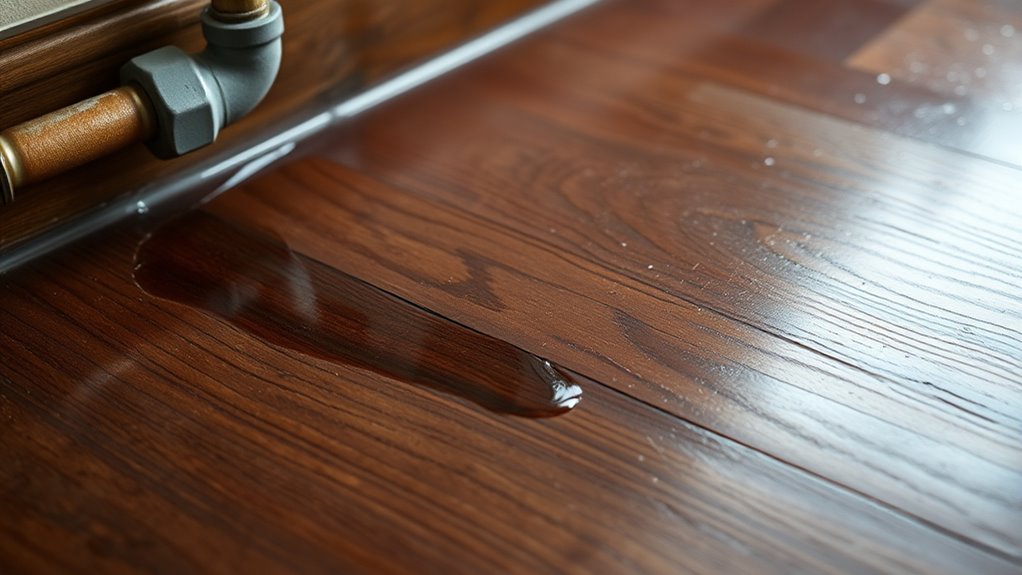
While regular maintenance can catch many potential issues early, there comes a point when professional expertise is needed. If you notice persistent leaks, low water pressure, or unusual noises, it’s time to call a plumber. Emergency preparedness is key—don’t wait until flooding or water damage occurs. A professional can accurately diagnose hidden problems and prevent costly repairs down the line.
Regular plumbing issues require professional diagnosis to prevent costly damage.
You should call a plumber when:
- You see ongoing leaks that don’t stop after basic fixes
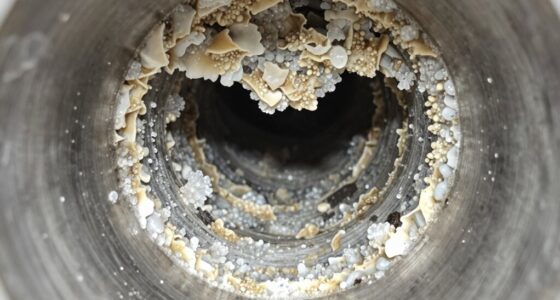
- Your plumbing system shows signs of corrosion or buildup
- You experience sudden water pressure drops or inconsistent flow
Timely plumbing maintenance and expert intervention ensure your system stays reliable and prevents bigger issues. Recognizing these signs helps protect your home and saves money.
Cost-Effective Repairs That Save Money
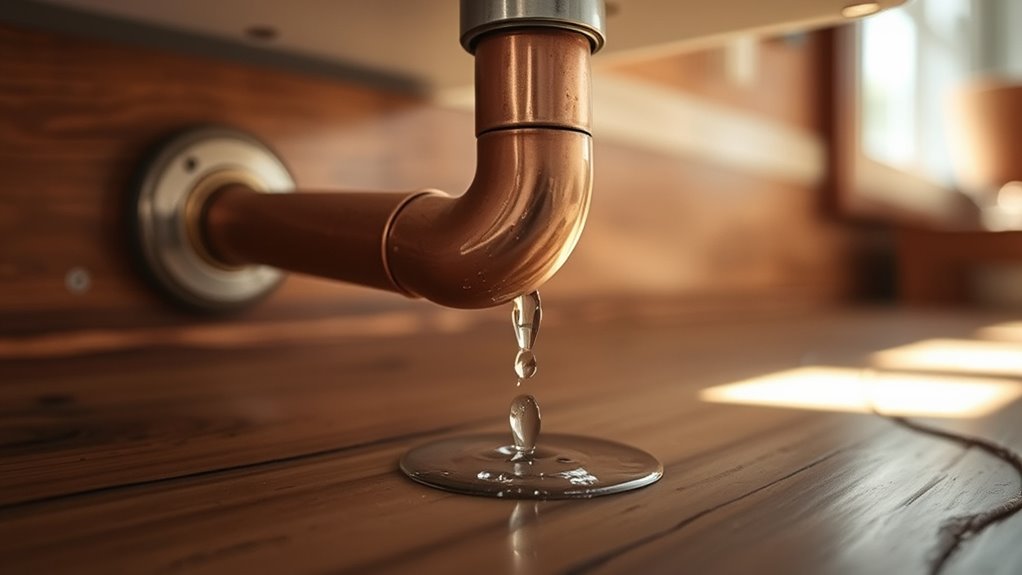
Addressing small plumbing issues early can save you a significant amount of money in the long run. Cost-effective repairs focus on leak prevention and regular plumbing maintenance, which help you catch problems before they escalate. Simple fixes like replacing worn-out washers, tightening loose fittings, or sealing minor leaks can prevent water damage and reduce utility bills. Investing in routine inspections guarantees your pipes stay in good condition and minimizes the risk of costly repairs later. DIY repairs for minor issues often save money compared to emergency calls, but know when to call a professional. Prioritizing leak prevention through proactive plumbing maintenance keeps your system efficient and extends its lifespan, ultimately saving you money and avoiding unnecessary expenses down the line.
Maintaining Your Plumbing System for Long-Term Savings

Regularly maintaining your plumbing system is essential for long-term savings because it helps prevent costly repairs and keeps everything running efficiently. Simple steps can make a big difference, like inspecting pipe insulation to prevent leaks and burst pipes during cold weather. Checking water pressure ensures it stays within ideal levels, reducing strain on your pipes and appliances. Proper maintenance also includes cleaning aerators and faucets to avoid clogs. Consider scheduling routine inspections with a professional to catch issues early. Additionally, insulating exposed pipes can prevent freezing and bursting, saving you money on repairs. Regular upkeep not only extends the lifespan of your plumbing but also helps you avoid unexpected expenses, making your home more efficient and cost-effective over time.
Frequently Asked Questions
How Can I Identify Leaks in Hidden or Inaccessible Areas?
You can identify leaks in hidden or inaccessible areas by checking your water meter first. Turn off all water and note the reading; if it changes later, you’ve got a leak. Inspect pipe insulation for dampness or mold, which indicates a leak. Also, listen for sounds of running water or hissing in walls or ceilings. These signs help you pinpoint hidden leaks before they cause costly damage.
What Are the Early Warning Signs of Water Damage?
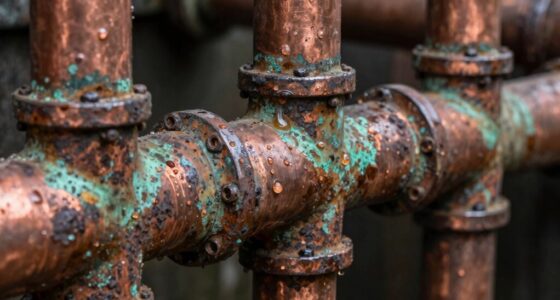
You might notice early water damage signs like musty odors, peeling paint, or discoloration on walls and ceilings. Watch for increased humidity or condensation, which can lead to mold growth. Pipe corrosion can cause small leaks that worsen over time, so keep an eye out for rust or mineral buildup around pipes. Addressing these signs early can prevent costly repairs and extensive water damage later on.
Are There Any Home Devices That Detect Leaks Automatically?
Yes, there are home devices that detect leaks automatically. Smart sensors use leak detection technology to monitor your plumbing and alert you at the first sign of trouble. These sensors can be placed near appliances, under sinks, or along pipes, sending notifications directly to your phone. By installing leak detection devices, you can catch leaks early, preventing costly water damage and keeping your home safe and dry.
How Often Should I Inspect My Plumbing System for Leaks?
How often should you inspect your plumbing system for leaks? Regular checks, at least once every 6 to 12 months, are essential. During inspections, look for signs like damp spots or decreased water pressure. Use pipe insulation to protect vulnerable areas, and monitor water pressure for any fluctuations. Don’t wait until a leak becomes costly—staying proactive helps catch issues early before they escalate.
What Are the Most Cost-Effective Ways to Fix Minor Leaks?
To fix minor leaks cost-effectively, start by tightening fittings or replacing worn washers. You can also apply pipe insulation to prevent further damage from temperature changes. Keep an eye on your water pressure, as high pressure can worsen leaks. If needed, use sealant for small cracks, but avoid expensive repairs. Regular maintenance and quick fixes help save money and protect your plumbing system from costly damage.
Conclusion
Don’t let hidden leaks sneak up on you like silent thieves draining your wallet. By staying vigilant and catching those tiny drips early, you’re steering clear of costly disasters lurking behind your walls. Think of your plumbing as a delicate dance—keeping it in sync saves you money and stress. Act now, tune into the subtle signs, and let your home’s heart beat strong and leak-free for years to come.