
When comparing well water to city water, your testing priorities shift markedly. For well water, focus on biological contaminants like bacteria and viruses, plus chemicals such as nitrates and heavy metals, with regular pH checks. City water requires monitoring residual disinfectants, heavy metals like lead, and pH levels. Knowing these differences helps you choose the right tests and filtration, ensuring safe water. Keep exploring to uncover more ways to protect your water quality.
Key Takeaways
- Well water testing prioritizes bacteria, viruses, nitrates, heavy metals, and pH levels due to higher contamination risks.
- City water testing focuses on disinfectant residuals, lead, heavy metals, and pH to ensure safety and plumbing integrity.
- Regular testing is essential for both sources to detect contaminants and maintain water quality.
- Filtration systems are tailored based on specific testing results to remove impurities effectively.
- Understanding these differing priorities guides appropriate testing and treatment approaches for safe household water.
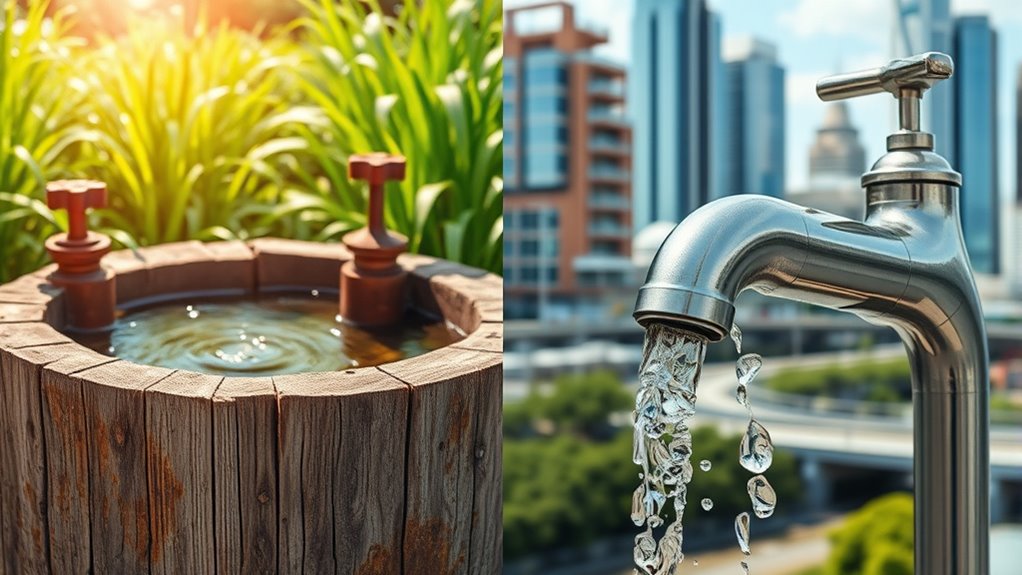
Have you ever wondered whether well water or city water is the better choice for your home? It’s a common question, and the answer depends heavily on how you prioritize water quality and safety. When considering which water source to rely on, it’s essential to understand the testing priorities that can make all the difference. This is especially true when it comes to water filtration and pH balance, two critical factors in ensuring your water is safe and comfortable to use.
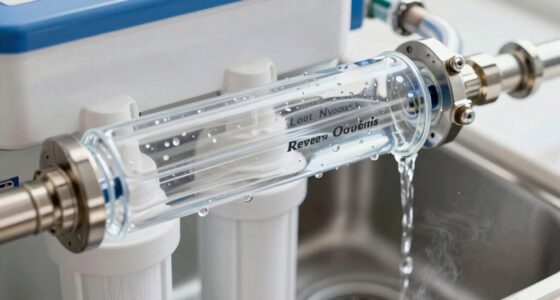
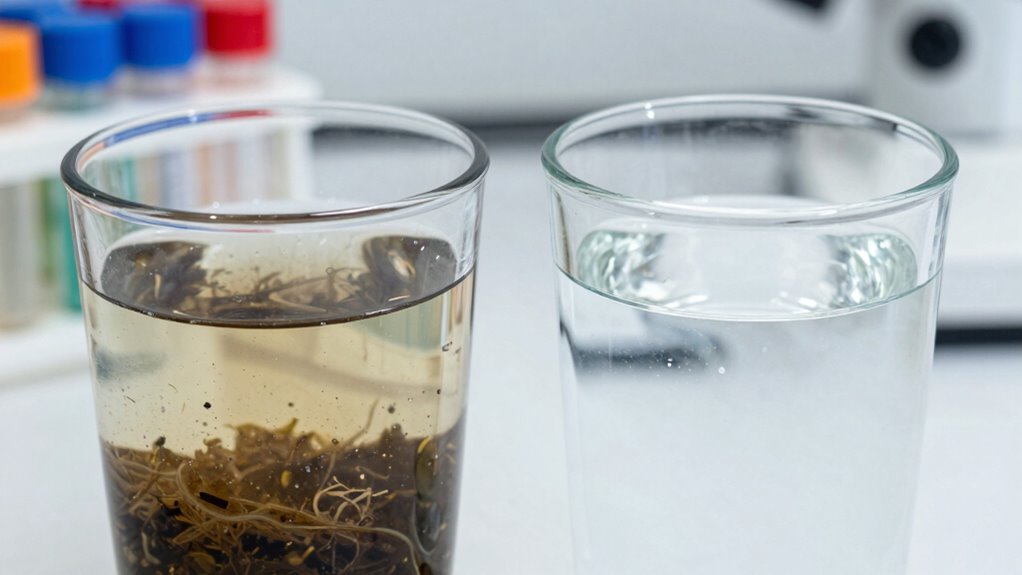
If you’re leaning toward well water, you need to recognize that it’s more susceptible to contamination from natural sources like bacteria, viruses, and minerals. Regular testing should focus on these biological contaminants, as well as on chemical pollutants like nitrates and heavy metals that can seep into the groundwater. Water filtration becomes a pivotal part of maintaining safe well water, especially since some contaminants aren’t visible or detectable by taste or smell. A good filtration system can remove impurities, improve taste, and reduce harmful substances, giving you peace of mind. Additionally, testing for pH balance is imperative because well water can sometimes be too acidic or alkaline, which might cause pipe corrosion or negatively affect appliances. Balancing pH levels through treatment can prevent costly damage and ensure your water remains safe for drinking and household use. Regular testing and proper filtration are essential for maintaining safe well water quality.
Well water requires regular testing for bacteria, chemicals, and pH to prevent corrosion and ensure safety.
City water, on the other hand, is usually tested more frequently and thoroughly by municipal authorities. These tests prioritize the detection of common contaminants like chlorine, chloramine, lead, and other pollutants that could pose health risks. Because city water often contains disinfectants like chlorine to kill bacteria, you might want to consider additional water filtration to remove residual chemicals and improve taste. Testing for pH balance is also significant here, as municipal water can sometimes be slightly acidic or alkaline, which could impact plumbing and fixtures over time. Even though city water is generally considered safe, the filtration process can help eliminate unwanted tastes and odors, and stabilize pH levels to protect your plumbing.
Regardless of your water source, understanding what to test for is key. For well water, prioritize biological and chemical contaminants, along with pH balance and water filtration needs. For city water, focus on residual disinfectants, heavy metals, and pH levels. In both cases, regular testing guarantees your water remains safe and reliable, helping you make informed decisions about treatment and filtration. Ultimately, knowing what to test for and why will empower you to choose the right solutions and safeguard your home’s water quality.

LEVOIT Air Purifier for Home Large Room Up to 1073Ft² with Air Quality Monitor, AHAM VERIFIDE, Smart WiFi, Washable Pre-Filter, HEPA Sleep Mode for Pets, Allergies, Dust, Pollen, Vital 100S-P, White
𝐖𝐇𝐘 𝐂𝐇𝐎𝐎𝐒𝐄 𝐀𝐇𝐀𝐌 𝐕𝐄𝐑𝐈𝐅𝐈𝐃𝐄 𝐀𝐈𝐑 𝐏𝐔𝐑𝐈𝐅𝐈𝐄𝐑𝐒: AHAM (Association of Home Appliance Manufacturers) is an ANSI-accredited organization that sets...
As an affiliate, we earn on qualifying purchases.
Frequently Asked Questions
How Often Should I Test My Well Water for Contaminants?
You should test your well water for contaminants at least once a year to guarantee well water safety. Additionally, test after any significant weather event, such as heavy rain or flooding, and whenever you notice changes in water taste, smell, or color. Regular testing helps catch potential issues early, protecting your health. Keep a record of your testing frequency and results to stay proactive about maintaining safe, clean well water.
Are There Specific Filters Recommended for City Water?
For city water, choose filters with high filtration efficiency to remove chlorine, lead, and other contaminants. Look for activated carbon filters or multi-stage systems that suit your needs. Remember, filter maintenance is vital; replace filters regularly as recommended by the manufacturer to guarantee peak performance. This keeps your water clean and safe, maintaining the filtration efficiency and preventing buildup that can compromise water quality over time.
What Are the Signs of Water Contamination at Home?
Think your water’s perfect? Think again! If you notice a strange water odor or suspect waterborne pathogens lurking, it’s a red flag. Cloudiness, strange tastes, or slimy buildup are signs of contamination. Don’t ignore these clues—they could hide dangerous microbes or chemicals. Regular testing helps catch issues early. When in doubt, get your water tested professionally and consider filters to keep your drinking water safe and tasty.
Can Water Testing Detect All Possible Pollutants?
Water testing can’t detect all possible pollutants because of testing limitations. While it effectively identifies common contaminants like bacteria, nitrates, and heavy metals, some chemicals or emerging pollutants might go unnoticed. For your water safety, it’s important to understand these limitations and choose exhaustive testing based on your water source. Regular testing helps catch issues early, but no test can guarantee detection of every possible pollutant present.
How Do Testing Priorities Differ for Residential Vs Commercial Water?
Ever wondered how testing differs between residential and commercial water? You focus on waterborne pathogens and pH balance, but priorities shift based on use. For homes, safety and taste matter most, so testing targets bacteria and chemical contaminants. For commercial facilities, stricter standards apply, emphasizing pathogen detection and pH stability to prevent corrosion or scaling. Do you recognize how tailored testing guarantees safety and compliance for each?

KNKA Air Purifier for Home Bedroom Large Room Up to 1,695 Ft² in 1 Hr, HEPA Air Cleaner with Washable Pre-Filter, AQI Display, ECO Mode, Sleep Mode, Pet Mode for Pets, Dust, Pollen, APH4000
𝐇𝐢𝐠𝐡 𝐂𝐀𝐃𝐑 𝐕𝐚𝐥𝐮𝐞: This air purifier provides reliable performance with a Smoke/Dust/PM2.5 CADR of 226 CFM (384 m³/h)...
As an affiliate, we earn on qualifying purchases.
Conclusion
Choosing between well water and city water is like steering through a maze—you need to know what to test for and why. By prioritizing your testing, you protect your health and guarantee clean, safe water flows into your home. Think of it as tuning a finely crafted instrument—you won’t get the best sound if you don’t check each string. Stay vigilant, test wisely, and enjoy peace of mind, knowing your water is as pure as it can be.

4500 Sq.Ft Energy Star Most Efficient 2025 Dehumidifier with Pump, AEOCKY Max 80 Pint/Day Smart Compressor Dehumidifier with Drain Hose, Intelligent Humidistat,for Basement,Bedroom,Home (White)
【The Undisputed Champion — Industry‑Leading Dehumidifier Brand】When you choose AEOCKY, you get double market validation. In 2025, AEOCKY...
As an affiliate, we earn on qualifying purchases.

LEVOIT Air Purifiers for Home Large Room Up to 1875 Ft² with Washable Pre-Filter, AHAM VERIFIDE, Air Quality Monitor, HEPA Sleep Mode for Allergies, Pet Hair in Bedroom, Vital 200S-P, White
𝐖𝐇𝐘 𝐂𝐇𝐎𝐎𝐒𝐄 𝐀𝐇𝐀𝐌 𝐕𝐄𝐑𝐈𝐅𝐈𝐃𝐄 𝐏𝐑𝐎𝐃𝐔𝐂𝐓𝐒: AHAM (Association of Home Appliance Manufacturers) is an ANSI-accredited organization that sets strict...
As an affiliate, we earn on qualifying purchases.