When choosing between PEX, copper, and PVC pipes, consider your budget, space, and durability needs. PEX is affordable, flexible, and easy to install, making it ideal for complex or tight areas. Copper offers long-term reliability and high heat tolerance but costs more upfront. PVC is the cheapest and simple for DIY projects but less durable and rigid. To get the full picture and find out which suits your project best, explore the detailed pros and cons below.
Key Takeaways
- PEX offers lower upfront costs and easier installation, especially in complex or tight spaces.
- Copper provides superior durability and temperature resistance, ideal for long-term, high-demand applications.
- PVC is the most affordable for small or temporary projects but may require frequent replacements.
- PEX reduces labor time with its flexibility, while copper demands more skill and effort for installation.
- Long-term costs favor copper’s durability, though PEX’s quick installation can save labor expenses over time.
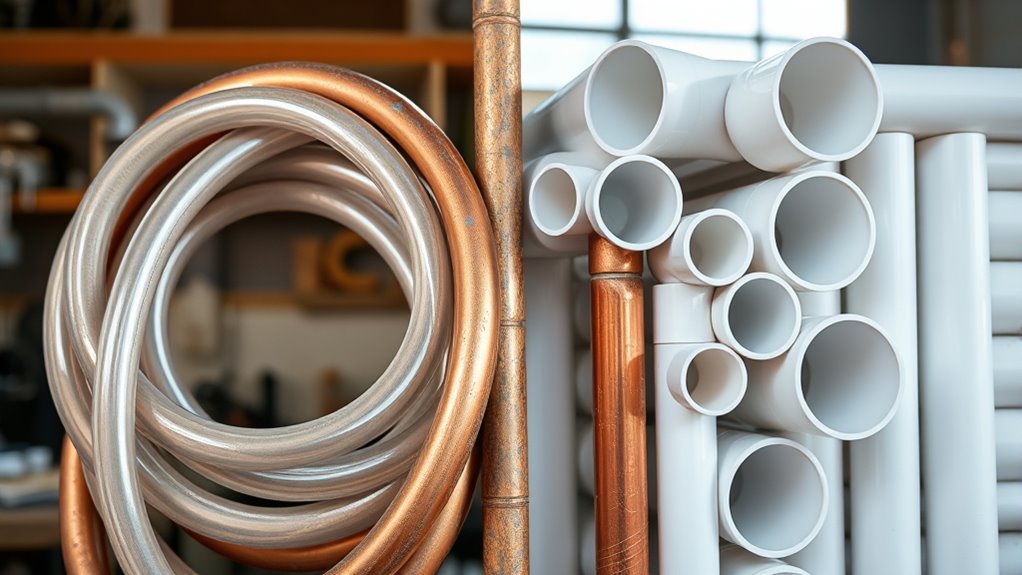
Choosing the right piping material is essential for any plumbing project, and PEX, copper, and PVC are three of the most common options. When evaluating these materials, two key factors often come into play: cost efficiency and installation ease. Your choice will impact your project’s overall budget and how quickly you can get the job done. PEX tends to be the most affordable upfront, offering significant cost savings on materials. Its flexible nature allows for fewer fittings and less labor, which means you spend less on both parts and installation. Copper, while more expensive initially, is renowned for its durability and long-term reliability, which can make it a worthwhile investment over time. PVC is usually the cheapest material upfront, especially for smaller projects or DIYers, but it’s important to consider its limitations as well.
In terms of installation ease, PEX shines because it’s incredibly flexible. You can bend it around corners and obstacles without needing many fittings, making it ideal for tight or complex spaces. Its lightweight nature also simplifies handling and reduces labor time, which is a huge advantage if you’re working on a tight schedule or budget. Copper pipes, on the other hand, require more skill to install. They need precise cutting, fitting, and soldering, which can be time-consuming and requires some expertise. This makes copper less appealing for DIY projects unless you have experience. PVC is straightforward to install, especially for DIYers, because it just involves cutting, fitting, and gluing the pieces together. However, PVC can be less flexible, so it might not be suitable for all installation scenarios, especially where bending or complex routing is necessary.
Additionally, contrast ratio plays an important role in determining the overall image quality of projectors used in home cinema setups, affecting how well dark scenes are rendered and perceived. The cost efficiency of PEX also extends beyond initial material costs. Its quick installation means less labor expense, and its flexibility can reduce the number of fittings needed, further cutting costs. Copper, although pricier upfront, can be more cost-effective in the long run because it withstands high temperatures and corrosion better than PVC or PEX. PVC’s low cost makes it appealing for temporary or low-pressure applications, but it may require more frequent replacement or upgrades, which could offset initial savings. Overall, your decision depends on your specific project needs, budget, and timeline. If you prioritize quick, easy installation at a lower initial cost, PEX might be your best choice. For durability and long-term performance, copper could be worth the investment. If budget is tight and the project is simple, PVC might be sufficient, but keep in mind its limitations.

LEVOIT Air Purifier for Home Large Room Up to 1073Ft² with Air Quality Monitor, AHAM VERIFIDE, Smart WiFi, Washable Pre-Filter, HEPA Sleep Mode for Pets, Allergies, Dust, Pollen, Vital 100S-P, White
𝐖𝐇𝐘 𝐂𝐇𝐎𝐎𝐒𝐄 𝐀𝐇𝐀𝐌 𝐕𝐄𝐑𝐈𝐅𝐈𝐃𝐄 𝐀𝐈𝐑 𝐏𝐔𝐑𝐈𝐅𝐈𝐄𝐑𝐒: AHAM (Association of Home Appliance Manufacturers) is an ANSI-accredited organization that sets...
As an affiliate, we earn on qualifying purchases.
Frequently Asked Questions
How Do PEX, Copper, and PVC Compare in Extreme Temperatures?
You’ll find that PEX handles extreme temperatures better, thanks to its flexibility and freeze resistance, which prevent cracking in cold weather. Copper withstands high heat well but can expand with thermal changes, risking leaks over time. PVC struggles with high temperatures, risking deformation, but it offers decent freeze resistance in cold conditions. Keep in mind, thermal expansion affects all materials, so proper installation is key to managing temperature extremes.
Which Piping Material Is Easiest to Repair or Replace?
If you’re looking for the easiest piping material to repair or replace, PEX stands out. Unlike copper, which requires soldering and precise fittings, PEX’s flexible nature allows for quick repairs with simple clamp or crimp connections. PVC is also easy to replace, especially in non-pressurized systems, thanks to its lightweight and glue-on fittings. Overall, PEX offers the best repair simplicity and replacement ease for most DIY repairs.
Are There Environmental Concerns Associated With Each Type?
You should consider the environmental impact and recyclability concerns of each piping type. Copper is highly recyclable, but mining impacts can be significant. PVC raises recyclability issues and releases harmful chemicals if burned or improperly disposed of. PEX has a lower environmental footprint during production but isn’t yet widely recyclable. Choose based on your environmental priorities, understanding that each material has unique sustainability challenges.
How Do Installation Costs Vary Among PEX, Copper, and PVC?
You’ll find that PEX has the lowest installation costs thanks to its flexibility and ease of handling, reducing labor complexity. Copper tends to be more expensive because it requires specialized tools and skilled labor for soldering. PVC falls in between, with moderate costs due to simple gluing methods but less durability. Overall, PEX offers a cost-effective, quick install, while copper and PVC can increase your upfront expenses.
What Are the Long-Term Durability Differences?
Think of your pipes as guardians of your home’s water flow. PEX is like a flexible warrior, resisting corrosion and lasting over 50 years with minimal upkeep. Copper, the seasoned knight, offers durability but can corrode over time, reducing its lifespan to about 40 years. PVC acts like a sturdy shield, resistant to corrosion, but may weaken with UV exposure and age faster, around 25-40 years.
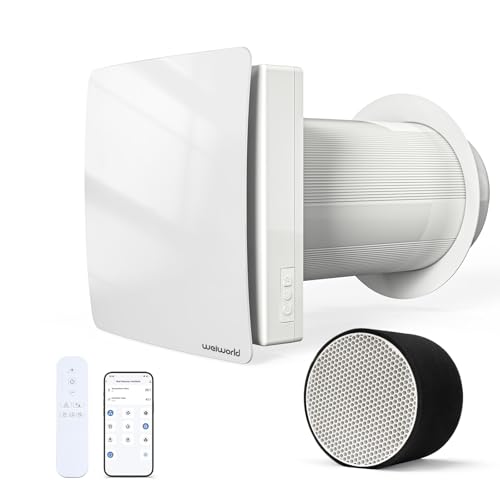
Weiworld Heat Recovery Ventilator with Ceramic Heat Exchanger, Wall-Mounted Fresh Air System with WiFi/Remote Control for Home, Attic, Garage – Supply, Exhaust & Recirculation Ventilation Fan
Heat Recovery Ventilator (HRV) for single room ventilation: Equipped with a high-efficiency ceramic heat exchanger that recovers up...
As an affiliate, we earn on qualifying purchases.
Conclusion
Choosing between PEX, copper, and PVC is like selecting the right path through a garden maze—each offers its own beauty and challenge. PEX is flexible and forgiving, copper stands firm with durability, while PVC is lightweight and adaptable. Your decision shapes the future of your plumbing journey, symbolizing the trust you place in these materials to nurture your home’s foundation. Whichever path you take, remember it’s the careful choice that guarantees your home’s lasting harmony.

VENTS-US Frigate HRV 120s Heat Recovery Ventilator – Whole House Ventilation Fan with Up to 118 CFM and Freeze Protection
HVI Certified Whole-House Air Exchange: A complete system that ensures continuous, balanced fresh air supply and stale air...
As an affiliate, we earn on qualifying purchases.
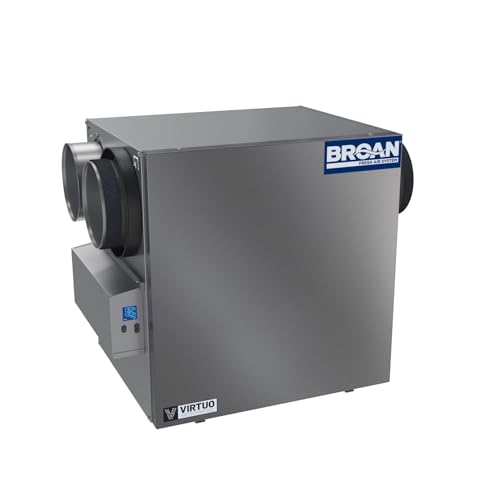
Broan B160H65RS AI 150 CFM Wall or Ceiling Mounted Heat Recovery Ventilator with VIRTUO™ Air Technology and Side Ports - N/A
As an affiliate, we earn on qualifying purchases.