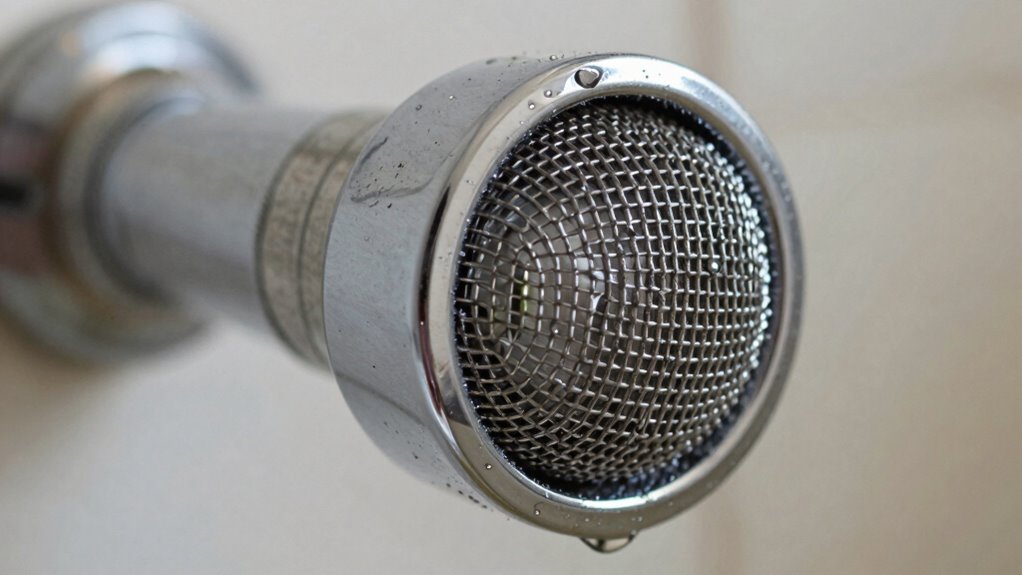

Faucet aerators are small devices that screw onto your faucet tips, acting as tiny filters that mix air with water. They help you save water and keep your faucet flowing smoothly. More importantly, they can reveal hidden pipe problems — if the water flow drops or becomes inconsistent, it might signal sediment buildup or plumbing issues deeper inside. To find out how these screens can help you, keep exploring the details below.
Key Takeaways
- Faucet aerators contain screens that filter debris and sediment, helping identify blockages or buildup indicating plumbing issues.
- Reduced water flow or inconsistent pressure through the aerator may signal hidden pipe problems or leaks.
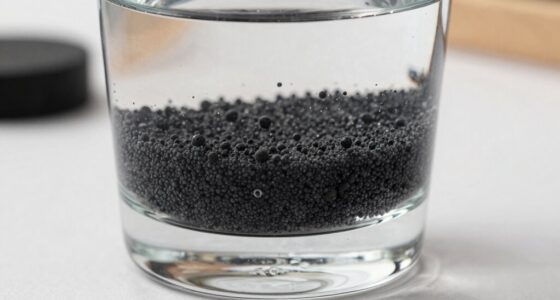
- Sediment accumulation on the aerator screen can reveal sediment or corrosion originating from the plumbing system.
- Regular inspection and cleaning of the aerator can detect early signs of pipe deterioration or mineral deposits.
- Changes in water quality or pressure after installing a new aerator may uncover underlying pipe problems needing professional attention.
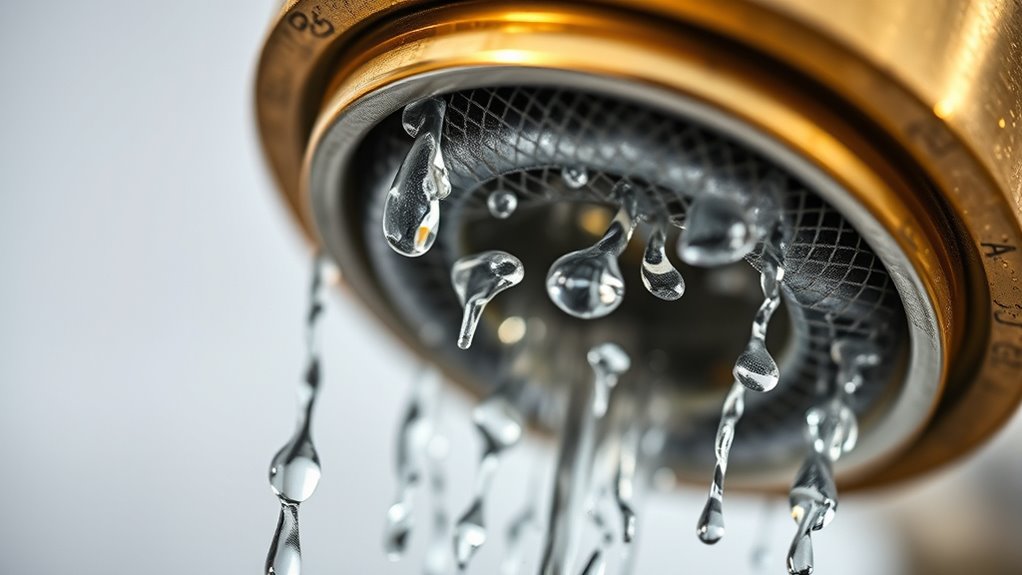
Have you ever wondered how to save water and reduce your utility bills without sacrificing water pressure? One simple yet effective solution is installing faucet aerators. These small devices screw onto the end of your faucet spouts and mix air into the water stream, giving you a steady flow while using less water. Not only do they promote water conservation, but they can also help you detect hidden pipe problems early on. Understanding how faucet aerators work and following some installation tips can make a big difference in your plumbing and savings.
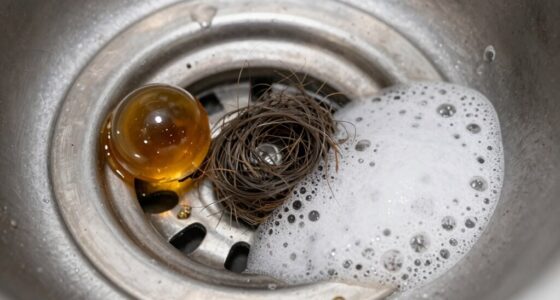
When you install a faucet aerator, you’re essentially adding a tiny screen that filters and shapes the water flow. This screen can catch debris or sediment, which sometimes indicates issues deeper in your plumbing system. Reduced water flow, strange noises, or inconsistent pressure at the aerator might be signs of pipe problems like clogs, leaks, or corrosion. By paying attention to these clues, you can address issues before they escalate, saving you money on repairs later. The installation process is straightforward: you simply unscrew the existing aerator, clean the threads, and screw on the new one. If your faucet has a flow restrictor, make sure you don’t remove it unless you’re replacing it with an aerator designed for higher flow, to maintain water efficiency. Using a wrench can help if the aerator is tight, but be gentle to avoid damaging the fixture.
Choosing the right aerator is key. Look for models that specify water-saving features, such as those that meet EPA WaterSense standards. These aerators typically reduce flow to about 1.5 gallons per minute or less, allowing you to conserve water without sacrificing performance. Installation tips include checking compatibility with your faucet type—whether it’s a threaded or non-threaded fixture—and ensuring the aerator fits snugly to prevent leaks. Regular cleaning is also vital; mineral deposits can clog the screen over time, reducing efficiency and water pressure. Unscrewing the aerator periodically to rinse out debris keeps the device functioning at its best.

LEVOIT Air Purifier for Home Large Room Up to 1073Ft² with Air Quality Monitor, AHAM VERIFIDE, Smart WiFi, Washable Pre-Filter, HEPA Sleep Mode for Pets, Allergies, Dust, Pollen, Vital 100S-P, White
𝐖𝐇𝐘 𝐂𝐇𝐎𝐎𝐒𝐄 𝐀𝐇𝐀𝐌 𝐕𝐄𝐑𝐈𝐅𝐈𝐃𝐄 𝐀𝐈𝐑 𝐏𝐔𝐑𝐈𝐅𝐈𝐄𝐑𝐒: AHAM (Association of Home Appliance Manufacturers) is an ANSI-accredited organization that sets...
As an affiliate, we earn on qualifying purchases.
Frequently Asked Questions
How Do Faucet Aerators Affect Water Pressure?
Faucet aerators can reduce water pressure slightly by mixing air with water, which helps conserve water and prevents pipe corrosion. While they may lower the flow rate, they still provide adequate pressure for everyday tasks. If you notice a significant drop, it might indicate pipe issues or buildup. Using aerators supports water conservation efforts and can extend the lifespan of your plumbing by minimizing pressure stress.
Can Aerators Save Water Without Reducing Flow?
Yes, aerators save water without diminishing flow by using flow regulation technology. They mix air with water, maintaining a steady stream while using less water. This boosts water conservation efforts and guarantees effective use of resources. You’ll notice the savings on your water bill, and the flow remains strong enough for everyday tasks. So, installing aerators helps you conserve water efficiently without sacrificing performance.
Are All Faucet Aerators Interchangeable?
Not all faucet aerators are interchangeable, and trying to swap them without proper knowledge can cause chaos! You need to check installation tips and verify the thread size matches your faucet. Some aerators are made from durable materials like brass or stainless steel, while others might be flimsy plastic. So, before replacing, confirm compatibility and material durability to prevent leaks or damage, making your upgrade smooth and effective.
How Often Should I Clean or Replace My Aerator?
You should clean your aerator every few months to maintain ideal water flow, and replace it if you notice persistent clogging or reduced pressure. Follow simple maintenance tips like removing it carefully and soaking in vinegar to dissolve mineral buildup. When installing, use proper installation methods to guarantee a tight fit. Regular upkeep keeps your aerator functioning well, revealing hidden pipe issues early and preventing costly repairs down the line.
Do Aerators Prevent Pipe Blockages?
Think of aerators as gatekeepers for your pipes—they don’t prevent blockages directly but help catch debris before it causes trouble. If you’re considering kitchen upgrades or bathroom fixtures, adding a quality aerator can improve water flow and reduce sediment buildup. Regularly cleaning or replacing your aerator keeps it working efficiently, helping to minimize the risk of pipe blockages and ensuring your plumbing stays smooth and trouble-free.
Weiworld Heat Recovery Ventilator with Ceramic Heat Exchanger, Wall-Mounted Fresh Air System with WiFi/Remote Control for Home, Attic, Garage – Supply, Exhaust & Recirculation Ventilation Fan
Heat Recovery Ventilator (HRV) for single room ventilation: Equipped with a high-efficiency ceramic heat exchanger that recovers up...
As an affiliate, we earn on qualifying purchases.
Conclusion
Faucet aerators may be small, but they pack a punch when it comes to spotting pipe problems early. By paying attention to reduced water flow or strange noises, you can catch issues before they become big headaches. Don’t wait for a drip to turn into a flood—stay proactive and keep an eye on that tiny screen. Sometimes, the smallest clues reveal the biggest secrets, so stay vigilant and act before things get out of hand.

VENTS-US Frigate HRV 120s Heat Recovery Ventilator – Whole House Ventilation Fan with Up to 118 CFM and Freeze Protection
HVI Certified Whole-House Air Exchange: A complete system that ensures continuous, balanced fresh air supply and stale air...
As an affiliate, we earn on qualifying purchases.

Broan B210E75RS AI 206 CFM Wall or Ceiling Mounted Energy Recovery Ventilator with Side Ports and Superior ERV Core Performance - N/A
Quick setup with VIRTUO technology, which does the airflow verification and balancing for you, eliminating a complex part...
As an affiliate, we earn on qualifying purchases.