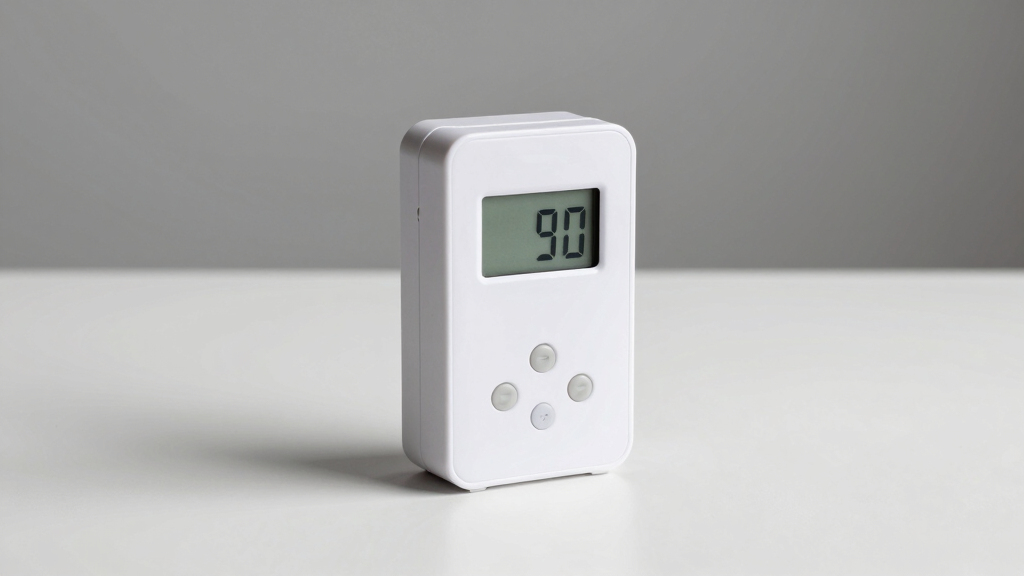

Choosing the best radon detector for home is crucial for maintaining a safe indoor environment, especially in areas prone to high radon levels. The top pick, the HOUND-1011 Portable Radon Detector, stands out for its high accuracy and ease of use, making it ideal for ongoing monitoring. The Airthings Radon Detector offers a battery-operated, hassle-free experience for quick checks, while the Ecosense RD200 is perfect for those seeking detailed digital readings. The main tradeoffs involve balancing accuracy, ease of use, long-term monitoring, and cost. Keep reading for a full breakdown of the best radon detectors and how to choose the right one for your home.
Key Takeaways
- High-accuracy sensors like those in the HOUND-1011 are essential for reliable long-term radon monitoring.
- Battery-powered detectors such as the Airthings model provide convenience but may have limited features compared to professional-grade units.
- Digital displays and data storage are key for tracking radon levels over time, especially in basements and living spaces.
- Price varies widely; investing in a more accurate or durable detector often pays off for peace of mind.
- Ease of setup and maintenance differ—some models require calibration, while others are plug-and-play for quick checks.


More Details on Our Top Picks
HOUND-1011 Portable Radon Detector for Home, Lightweight, High-Accuracy Sensor, 45-Day Monitoring, Easy-to-Use Radon Tester, Short- & Long-Term in pCi/L or Bq/m³ for Basement – Gray
The HOUND-1011 stands out for its balance of portability, accuracy, and user-friendly features. Unlike the bulkier LifeBasis model, it’s designed for quick deployment and easy readings, making it ideal for homeowners who want reliable, ongoing monitoring without complexity. It supports both short-term and long-term measurements, with a clear LCD display and a battery life that lasts up to 45 days—perfect for continuous safety checks. Compared to the Airthings detector, it offers more flexible monitoring durations but lacks advanced air quality metrics. The main tradeoff is that setup and calibration are required to ensure precision, and it doesn’t include extra air quality sensors. This pick makes the most sense for homeowners seeking a dedicated, portable radon solution with straightforward operation.
Pros:- High-accuracy readings with fast results
- Supports both short-term and long-term testing
- Long battery life up to 45 days
Cons:- Requires calibration for optimal accuracy
- Basic display and controls may feel limited for some users
Best for: Homeowners who want accurate, long-term radon monitoring with a portable device
Not ideal for: Users seeking a combined air quality and radon detector or a device with smartphone app integration
- Measurement Range:0.09 to 1000 pCi/L
- Units Supported:pCi/L, Bq/m³
- Battery Life:Up to 45 days
- Display:LCD screen
- Connectivity:Type-C cable
- Monitoring Duration:6 hours to 504 days
Bottom line: This detector is ideal for homeowners prioritizing precise, portable radon monitoring with long battery life.
LifeBasis Portable Radon Detector with TFT Color Display, 6-Hour First Result, Rechargeable, 504-Day Data Storage
The LifeBasis Radon Detector stands out for combining long-term data storage with a user-friendly display and customizable alerts. Its ability to store data for up to 504 days makes it ideal for tracking radon trends over time, setting it apart from simpler monitors like the Airthings LCD detector. However, the six-hour initial measurement delay could be frustrating for those needing quick results. Its rechargeable battery lasts up to 45 days, reducing ongoing costs, but requires calibration for maintaining accuracy. The color TFT display and alarm features make it accessible for users who want detailed, ongoing insights without complicated setup. This model suits homeowners prioritizing detailed long-term tracking and flexible notifications, though it may be less ideal for those needing immediate initial results or minimal maintenance.
Pros:- Provides accurate long-term radon monitoring with extensive data storage
- Color TFT display offers clear, customizable alerts
- Rechargeable battery simplifies maintenance and reduces ongoing costs
Cons:- Initial reading takes 6 hours, delaying early detection
- Requires regular calibration for precise measurements
- Alarm volume and sensitivity may need adjustment in noisy environments
Best for: Homeowners who want detailed long-term radon data with customizable alerts and are willing to wait a few hours for initial readings
Not ideal for: Users needing quick initial results or minimal calibration, such as renters or those with urgent testing needs
- Product Type:Radon Detector
- Power Source:Rechargeable Battery
- Display:TFT Color Screen
- Detection Range:0.09-1000 pCi/L (3.3 Bq/m³ – 37k Bq/m³)
- First Reading Time:6 hours
- Data Storage Duration:Up to 504 days
Bottom line: Best suited for users seeking comprehensive long-term radon monitoring with detailed data analysis.
Airthings Battery-Operated Lightweight Digital Home Radon Detector with LCD Display
The Airthings Battery-Operated Radon Detector offers a straightforward approach for those new to radon monitoring, with a simple LCD display and battery operation. Compared to the more advanced LifeBasis, it emphasizes ease of use over detailed long-term data storage, making it ideal for homeowners who want quick, understandable readings without fuss. Its portability and continuous monitoring are appealing, but the battery life may require frequent replacement, especially in high-use scenarios. Limited to radon detection only, it lacks the trend analysis or alarm customization of higher-end models. This detector is perfect for users seeking a lightweight, plug-and-play device for basic indoor radon awareness, but less suitable for those needing detailed historical data or advanced features.
Pros:- Portable and simple to operate
- Provides real-time radon level readings on an LCD display
- Long-term monitoring capabilities for ongoing awareness
Cons:- Battery life may require frequent replacement
- Limited to radon detection without detailed data storage or trend analysis
Best for: Homeowners new to radon testing who want an easy, portable device with real-time readings
Not ideal for: Experienced users or those needing detailed long-term data, as it lacks extensive data logging features
- Power Source:Battery-operated
- Display:LCD
- Monitoring Type:Continuous and long-term
- Portability:Lightweight
Bottom line: Ideal for beginners needing a straightforward, portable radon monitor without complex features.
Ecosense RD200 RadonEye Home Digital Radon Detector
The RadonEye RD200 is designed for accuracy and speed, boasting a professional-grade ion chamber sensor that delivers initial readings in just 10 minutes. It’s a stronger choice than compact detectors like the EcoSense EB100 for users who need fast, reliable data, especially in professional or semi-professional settings. Its ability to produce trend charts allows for comprehensive long-term analysis. However, it requires a continuous power source and lacks an integrated display, relying instead on an app or external device for data access. This setup makes it less suitable for quick, standalone readings or users who prefer simple plug-and-play devices. It’s best for those who prioritize accuracy and detailed monitoring over portability or ease of use.
Pros:- Fast initial response time of 10 minutes
- High accuracy due to professional-grade ion sensor
- Long-term trend charts aid in detailed analysis
Cons:- Requires continuous power supply, limiting portability
- No built-in display, depends on external devices for data
- Indoor-only use limits flexibility
Best for: Homeowners or professionals seeking high-precision radon detection with trend analysis capabilities
Not ideal for: Casual users or those preferring standalone devices without reliance on external apps or power cords
- Power Source:Corded Electric
- Sensor Type:Ion
- Operating Humidity:95%
- Upper Temperature Rating:104°F
- Item Dimensions:3.15″D x 3.94″W x 4.72″H
- Item Weight:240 grams
Bottom line: Best suited for users needing professional-grade accuracy and detailed trend data, accepting the dependence on external devices.
EcoSense EB100 EcoBlu Home Radon Detector
The EcoSense EB100 EcoBlu offers a compact, easy-to-use radon detection solution, providing readings every 10 minutes with a clear digital display. Its small size makes it ideal for spaces where minimal intrusion is desired, and its fast update cycle delivers timely insights. Compared to the LifeBasis or RadonEye RD200, it emphasizes quick, accessible readings over extensive data storage or professional-grade sensors. However, measurement accuracy may fluctuate when powered by portable batteries, and it’s strictly an indoor device with no advanced data analysis features. This model is well-suited for users who want a straightforward, space-saving monitor for occasional or ongoing radon checks, but it might fall short for those needing detailed long-term tracking or high precision.
Pros:- Provides quick radon readings every 10 minutes
- Compact and space-efficient design
- Easy to set up with plug-and-play operation
Cons:- Measurement accuracy may be affected when using portable power sources
- Limited to indoor detection without advanced trend analysis
Best for: Homeowners seeking a small, reliable, and fast radon detector for regular indoor use
Not ideal for: Users requiring extensive data logging or high-accuracy measurements over long periods
- Power Source:Corded Electric
- Sensor Type:Ionization
- Color:White
- Item Dimensions:2.36″D x 2.76″W x 2.76″H
- Item Weight:0.34 kg
- Warranty:12 months
Bottom line: Ideal for users needing a small, quick, and reliable radon monitor for everyday indoor use, with some limitations in accuracy and data depth.
HOUND-1011S Portable Radon Detector with High-Accuracy Sensor
This compact, user-friendly device stands out for its combination of quick, accurate readings and long-term monitoring capabilities. Compared with the Radon Detector by Forensics, which offers a 20-year sensor lifespan, the HOUND-1011S emphasizes ease of use and portability, making it ideal for homeowners who want real-time data without complexity. Its LCD display simplifies interpretation, and its battery life supports up to 45 days in sleep mode—perfect for ongoing radon assessments. However, it requires calibration and is limited solely to radon measurement, which could be a drawback for those seeking multi-environment monitoring. Despite these minor tradeoffs, this model makes the most sense for users prioritizing straightforward, reliable radon detection in a portable format.
Pros:- Provides fast, accurate radon measurements
- Supports both short-term and long-term monitoring
- Long battery life up to 45 days in sleep mode
- Easy to operate with a clear LCD display
Cons:- Requires initial setup and calibration
- Limited to radon measurement only
- Battery life may vary with usage
Best for: Homeowners needing a portable, easy-to-use device for both short-term and long-term radon monitoring
Not ideal for: Users looking for multi-environment sensors or industrial-grade durability, as it focuses solely on radon detection and requires calibration
- Measurement Range:0.09 to 1000 pCi/L
- Units Supported:pCi/L, Bq/m³
- Battery Life:Up to 45 days in sleep mode
- Display:LCD screen
- Connectivity:Type-C charging cable
- Included Accessories:Stand, charging cable, lanyard, manual
Bottom line: This detector is ideal for homeowners seeking portable, reliable radon monitoring with straightforward operation.
Radon Detector by Forensics – Home Use, Upgraded 20-Year Sensor Life, Version 2.0
This model excels in longevity with a 20-year semiconductor sensor, standing out against the HOUND-1011S’s shorter calibration cycle. Its large color LCD provides clear temperature and radon level data, making it suitable for users who prefer a more detailed display. Compared with the Aranet B0DK3CRP79, which offers app support and real-time alerts, the Forensics detector emphasizes sensor longevity and durability—ideal for homeowners who want minimal maintenance over decades. The absence of connectivity features might be a limitation for those desiring remote monitoring, but for dedicated home use, its long-lasting sensor and robust build make it a strong choice. Still, calibration over time remains necessary, which can be a minor inconvenience.
Pros:- Super sensitive sensor with high accuracy
- 20-year sensor lifespan reduces maintenance
- Durable shock-resistant ABS housing
- Large color LCD with temperature display
Cons:- Limited to home use, not industrial environments
- No connectivity or remote monitoring options
- Requires periodic calibration over its lifespan
Best for: Homeowners seeking a durable, long-lasting radon detector with clear visual data
Not ideal for: Tech-savvy users wanting app connectivity or real-time remote alerts, as this model lacks connectivity features
- Sensor Type:Semiconductor
- Sensor Life:20 years
- Housing Material:ABS
- Display:Color LCD
- Warranty:1 year
- Support:USA customer support in Los Angeles
Bottom line: This detector is perfect for homeowners prioritizing long-term durability and straightforward visual data, with minimal upkeep.
SAF Aranet Radon Detector for Home with 10-Min Measurement, Temperature, Humidity, Pressure, E-Ink Display, 7-Year Battery, Portable, App Support
This portable device offers a detailed view of radon levels with data updates every 10 minutes, surpassing the HOUND-1011S’s quick snapshots by providing continuous, real-time insights. Its E-Ink display ensures readability in various lighting conditions, and the 7-year battery life minimizes replacements. Compared with the Forensics detector, which focuses on long-term sensor durability, the Aranet B0DK3CRP79 emphasizes environmental data like temperature, humidity, and pressure, making it suitable for users interested in broader indoor air quality. The app support adds value but may be unnecessary for those who prefer simple, standalone devices. However, its limited to indoor use and basic display might be less appealing for users seeking more advanced or outdoor-capable solutions.
Pros:- Provides radon data every 10 minutes
- Long-lasting 7-year battery
- E-Ink display is easy to read
- Supports environmental monitoring like temperature and humidity
Cons:- Requires 2 AA batteries which need replacement after several years
- Limited to indoor use
- Basic display may seem too simple for some users
Best for: Home users wanting continuous radon monitoring with environmental data and app support
Not ideal for: Users seeking a simple, stand-alone radon detector without app or environmental monitoring features
- Measurement Interval:10 minutes
- Display:E-Ink
- Battery Life:Up to 7 years
- Batteries:2 AA (included)
- Dimensions:3.03 x 2.8 x 2.8 inches
- Environmental Monitoring:Radon, temperature, humidity, pressure
Bottom line: This detector suits homeowners who want ongoing, detailed radon and environmental data with minimal maintenance.
How We Picked
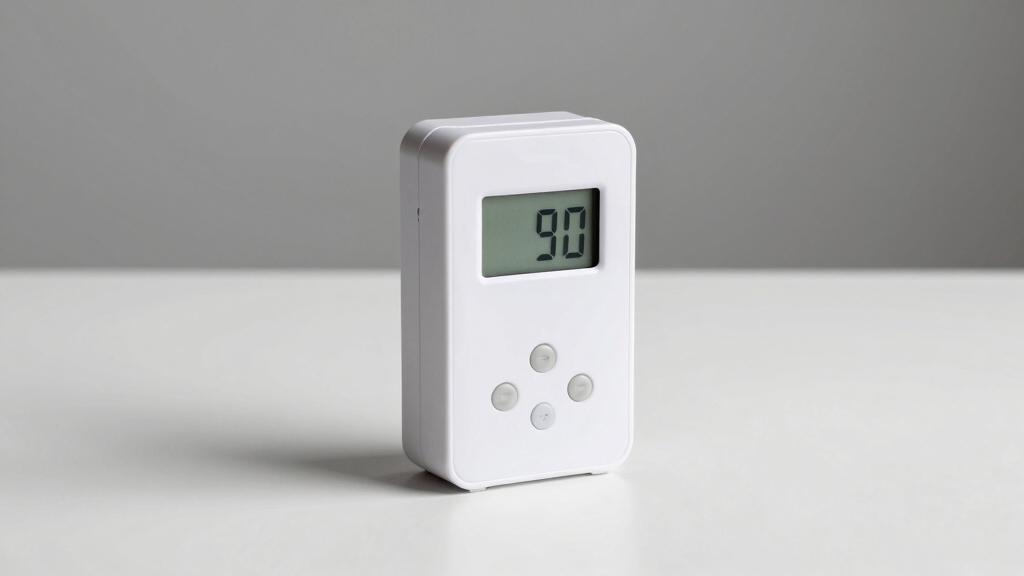
These products were evaluated based on accuracy of measurements, ease of use, build quality, data storage capabilities, and overall value. We prioritized detectors that provide reliable readings over both short-term and long-term periods, ensuring users can monitor radon levels effectively. Additional factors included battery life, display clarity, and user interface. The ranking reflects how well each device balances these features with affordability and ease of maintenance, helping buyers find options suited to various needs and budgets.Factors to Consider When Choosing Best Radon Detector For Home
When selecting the best radon detector for home use, understanding key factors can prevent costly mistakes and ensure you get a device that truly offers safety and reliability. Not all detectors are created equal; some excel in accuracy but are complicated to operate, while others prioritize simplicity at the expense of detailed data. Considering your specific needs, home layout, and budget are crucial steps in making an informed decision. The following sections highlight the most important features to evaluate.Accuracy and Sensitivity
Accurate radon measurement is critical for assessing risk levels properly. Look for detectors with proven sensors and calibration standards, especially if you live in an area with known radon issues. Some devices offer short-term readings, while others support continuous long-term monitoring, which provides a more comprehensive picture of radon fluctuations over time. Avoid low-quality models with dubious accuracy, as they can give false reassurance or unnecessary alarm.
Ease of Use and Maintenance
Ease of setup and operation can significantly influence your experience. Plug-and-play models with clear displays and minimal calibration needs are ideal for casual users or those unfamiliar with technical devices. Long-term detectors may require periodic calibration or sensor replacement, so consider how much time and effort you’re willing to invest. Simpler devices often cost less but may lack detailed data, so weigh convenience against the need for comprehensive monitoring.
Data Storage and Connectivity
Tracking radon levels over weeks or months helps identify patterns and assess risks accurately. Detectors with built-in data storage or app integration allow for easy access and analysis of historical data. If you prefer remote monitoring or want alerts sent directly to your phone, choose a model with Bluetooth, Wi-Fi, or app support. Keep in mind that higher connectivity features often come with increased costs and setup complexity.
Build Quality and Durability
A well-built detector should withstand typical home environments, including temperature fluctuations and humidity. Cheaper plastic models might be fragile or less reliable over time, so investing in sturdy construction can improve longevity. Consider models with a clear display and easy-to-clean sensors, especially if you plan to keep the device in a basement or other humid areas. Durability becomes especially relevant for portable detectors used in multiple locations.
Price and Value
Radon detectors come in a broad price range, reflecting differences in features, accuracy, and durability. While budget options may suffice for quick checks, more expensive models often provide enhanced accuracy and data management, which are worth the investment for long-term peace of mind. Balance your budget against your specific needs—if radon levels are a concern, opting for a reliable, high-quality device can save you worry and potential health costs later.
Frequently Asked Questions
How often should I test my home for radon?
Testing frequency depends on your initial results and local radon levels. For most homes, a short-term test every two years is adequate, but if you find elevated radon levels or live in an area with known issues, more frequent testing—such as annually or quarterly—can provide better insight. Long-term detectors can be left in place for 90 days or more, offering a more accurate picture of average radon exposure over time. Regular testing ensures that your home remains safe and helps identify any changes in radon levels promptly.
Are digital radon detectors more reliable than analog ones?
Digital detectors generally offer more precise and easy-to-read measurements compared to traditional analog devices. They often include features like data logging, alarms, and connectivity, which enhance monitoring and record-keeping. However, the reliability of a digital device still depends on its sensors and calibration. High-quality digital detectors tend to be more consistent and user-friendly, making them a popular choice for homeowners seeking ongoing, accurate radon assessment.
Can I calibrate my radon detector myself?
Some radon detectors are designed for easy calibration by the user, while others require professional calibration to maintain accuracy. Most consumer-grade devices do not need frequent calibration if they are of high quality, but periodic checks against professional services can help ensure reliability. Always follow manufacturer instructions regarding calibration and maintenance, as improper calibration can lead to inaccurate readings and false security or concern.
What is the best placement for a radon detector in my home?
Position your radon detector in the lowest livable area of your home, such as a basement or ground floor, where radon levels tend to be highest. Keep it away from drafts, vents, or areas with high humidity, which can skew readings. Place the device at least 20 inches above the floor and avoid placing it near windows or doors that open frequently. Proper placement ensures more accurate results and meaningful data for assessing your home’s radon risk.
When should I consider upgrading my radon detector?
If your current detector is outdated, malfunctioning, or lacks features like data storage or connectivity, upgrading makes sense. Also, if you move to a different home or a new area with higher radon risks, a more advanced device can provide better monitoring. For long-term peace of mind, investing in a higher-accuracy, durable model with real-time alerts and data analysis capabilities can be a worthwhile step to ensure ongoing safety.
Conclusion
The best overall radon detector for most homeowners in 2026 is the HOUND-1011 Portable Radon Detector for its combination of accuracy and ease of use. If you prioritize value, the Airthings Battery-Operated Radon Detector offers reliable performance at a lower price point. For those seeking a premium, feature-rich option, the Ecosense RD200 stands out with its detailed digital display and data options. Beginners should opt for simple plug-and-play models with clear instructions, while experienced users and safety-conscious homeowners will appreciate long-term, high-precision devices like the HOUND-1011. Consider your home size, monitoring needs, and budget to find the right fit for your radon safety plan.