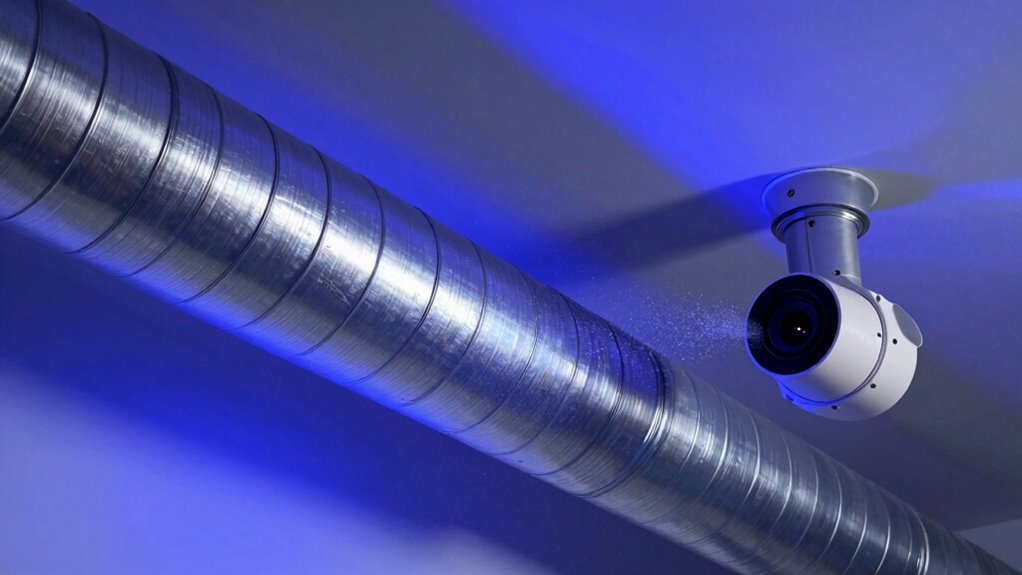
UV-C in HVAC systems actively targets airborne microbes by damaging their DNA or RNA, reducing bacteria, viruses, and mold spores for cleaner indoor air. It enhances air quality without relying on chemicals or aerosols and is especially helpful in busy settings. However, UV-C doesn’t remove dust, pollen, or particulate matter, and its effectiveness depends on proper installation and maintenance. If you want to know more about its capabilities and limitations, keep exploring the details below.
Key Takeaways
- UV-C effectively neutralizes airborne microbes like bacteria, viruses, and mold spores, improving indoor air quality.
- It does not remove dust, pollen, or particulate matter; filters are needed for particulate filtration.
- Proper installation and maintenance are essential for UV-C to work safely and effectively.
- UV-C cannot replace traditional HVAC filters but acts as an additional microbial control layer.
- Direct UV-C exposure can be harmful; systems are designed with safeguards to ensure safe operation.

UV-C light has become an increasingly popular tool in HVAC systems for improving indoor air quality. You might notice it being used to enhance air purification and microbial control, especially in commercial and healthcare settings. When UV-C is integrated into your HVAC system, it works by exposing airborne contaminants and microorganisms to ultraviolet light, which damages their DNA or RNA. This process prevents bacteria, viruses, and mold spores from reproducing, effectively reducing their presence in the air you breathe. The goal is to create a cleaner, healthier indoor environment by continuously targeting these microscopic threats as air circulates through your ventilation system.
One of the main benefits of UV-C in HVAC is its ability to improve air purification without introducing chemicals or aerosols. Unlike some air filters that only trap particles, UV-C actively neutralizes many of the microbes that can cause illness or worsen allergies. This microbial control is especially critical in places with high occupancy, such as offices, gyms, or hospitals, where airborne pathogens can spread rapidly. UV-C’s germicidal properties help reduce the risk of infection transmission, providing a layer of protection that complements traditional filtration systems.
UV-C improves air quality by neutralizing microbes without chemicals, especially in high-occupancy spaces.
However, it’s important to understand what UV-C can and cannot do. While it’s effective at controlling microorganisms, UV-C doesn’t remove dust, pollen, or other particulate matter from the air. For thorough air purification, UV-C should be combined with high-efficiency filters or other filtration methods. Also, UV-C’s effectiveness depends on proper installation and maintenance. If the UV lamps aren’t positioned correctly or if they become dirty or damaged over time, their germicidal capabilities diminish. It’s essential to follow manufacturer guidelines for lamp replacement and system upkeep to guarantee consistent microbial control.
Another limitation to keep in mind is safety. UV-C light can be harmful to skin and eyes if there’s direct exposure, so systems are designed with safeguards like enclosed lamps or automatic shut-offs. You shouldn’t attempt to handle UV-C devices yourself without proper training or protective equipment. When installed correctly, though, UV-C in HVAC systems provides a safe and efficient way to enhance air quality.
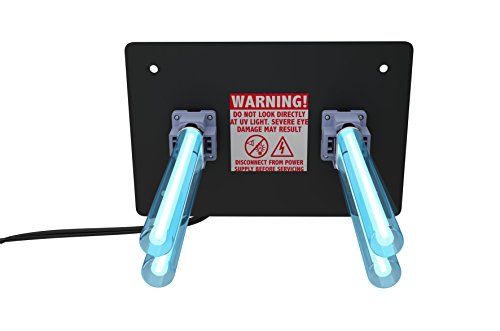
REKO Lighting R2000 Air Purifier Whole House Uv uvc Light in Duct for HVAC Ac (Air Conditioning) Duct
UV-C light system – Bulbs are made in Europe!
As an affiliate, we earn on qualifying purchases.
As an affiliate, we earn on qualifying purchases.
Frequently Asked Questions
Can UV-C Eliminate All Airborne Viruses in HVAC Systems?
UV-C can’t eliminate all airborne viruses in HVAC systems because of its limitations. While UV-C effectively deactivates many airborne viruses, its efficiency depends on factors like exposure time and virus type. You should know that UV-C might not reach every virus, especially if airflow speeds are high or the virus is hidden in hard-to-reach areas. So, relying solely on UV-C isn’t enough to guarantee complete airborne virus elimination.
How Often Should UV-C Lamps Be Replaced in HVAC Units?
Did you know UV-C lamps typically last around 9,000 to 12,000 hours? You should follow the manufacturer’s recommended replacement schedule, usually every 12 to 14 months, to maintain effectiveness. Regularly inspecting your HVAC UV-C lamps and replacing them on time guarantees peak germicidal performance, reducing airborne pathogens. Don’t wait for signs of decreased light; sticking to the lamp lifespan and schedule keeps your system running efficiently.
Is UV-C Safe for Occupants When Used in HVAC Systems?
UV-C is generally safe for occupants when used properly in HVAC systems. You should verify that UV-C exposure is minimized to protect occupant safety, as direct exposure can cause skin and eye irritation. When installed correctly, UV-C lamps are contained within the ductwork, preventing direct contact and reducing risks. Regular maintenance and proper shielding are essential to keep UV-C exposure within safe limits, ensuring a healthy indoor environment.
What Maintenance Is Required for UV-C Systems in HVAC?
Did you know UV-C systems can reduce airborne pathogens by up to 99%? For proper UV-C maintenance, you should regularly clean the lamps and replace them as recommended. System calibration ensures the UV intensity remains effective; check it annually. Keep an eye on the UV lamps’ lifespan and replace them promptly to maintain safety and efficiency. Proper maintenance prolongs system longevity and keeps your indoor environment safe.
Does UV-C Impact the Energy Efficiency of HVAC Systems?
UV-C can slightly impact your HVAC system’s energy consumption, but it generally doesn’t hurt overall system performance. When installed correctly, UV-C helps keep coils clean, which can improve efficiency and reduce energy use. However, poor installation or overuse might cause your system to work harder, increasing energy consumption. Overall, UV-C enhances performance without markedly impacting energy efficiency if properly maintained and used appropriately.

UV Light for AC System, UV-C lamp for Whole House, Germicidal Duct Uv Light Hvac uv light (90, watts)
【Purify】UV light has the effect of purifying, it's Ozone free, HO bulb (25 Watt Size, High output 30…
As an affiliate, we earn on qualifying purchases.
As an affiliate, we earn on qualifying purchases.
Conclusion
UV-C in HVAC can substantially reduce germs and improve air quality, but it’s not a magic fix for every problem. It works best when combined with other measures like good filters and ventilation. Are you ready to take your indoor air safety seriously? Remember, technology helps, but staying proactive about maintenance and cleanliness is still your best defense. Don’t rely solely on UV-C—use it as part of an all-encompassing approach to healthier indoor environments.

Mammoth BioShieldUV® 18W 24V HVAC UV Light Air Purifier Bulb Magnetic Holder Powered by HVAC Ballast – Air Filter UV Lamp for Air Conditioner, UVC Light for AC Air Conditioner (18W-AC)
🌿𝐇𝐕𝐀𝐂 𝐖𝐢𝐫𝐢𝐧𝐠 𝟏𝟖𝐖 𝐇𝐢𝐠𝐡-𝐏𝐞𝐫𝐟𝐨𝐫𝐦𝐚𝐧𝐜𝐞 𝐇𝐕𝐀𝐂 𝐔𝐕 𝐋𝐢𝐠𝐡𝐭 𝐟𝐨𝐫 𝐀𝐂 𝐒𝐲𝐬𝐭𝐞𝐦𝐬: This 18W HVAC UV light is designed for…
As an affiliate, we earn on qualifying purchases.
As an affiliate, we earn on qualifying purchases.
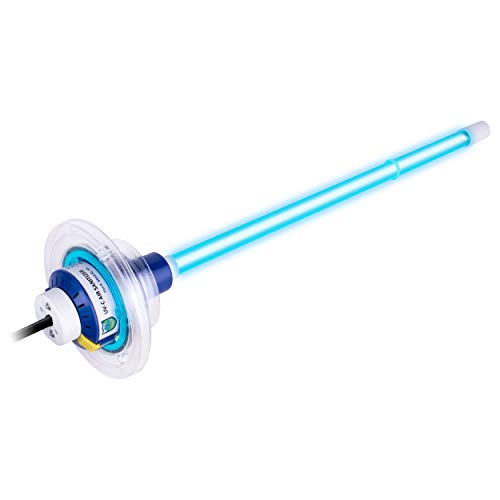
Bio Shield Antimicrobial Protection UV Light for AC System, Cleans HVAC Ducts and AC Coils of Bacteria, Germs, Mold and Allergens, Complete Unit, 50-BUVAS-E
UV LIGHT FOR HVAC PERFORMANCE: UV lamp removes bio-film on HVAC coils, enhancing your air conditioning system's performance…
As an affiliate, we earn on qualifying purchases.
As an affiliate, we earn on qualifying purchases.