TL;DR

Prime made for students and young adults
- Fast, free delivery for dorm and study essentials
- Prime Video and Amazon Music included
- Member-only deals
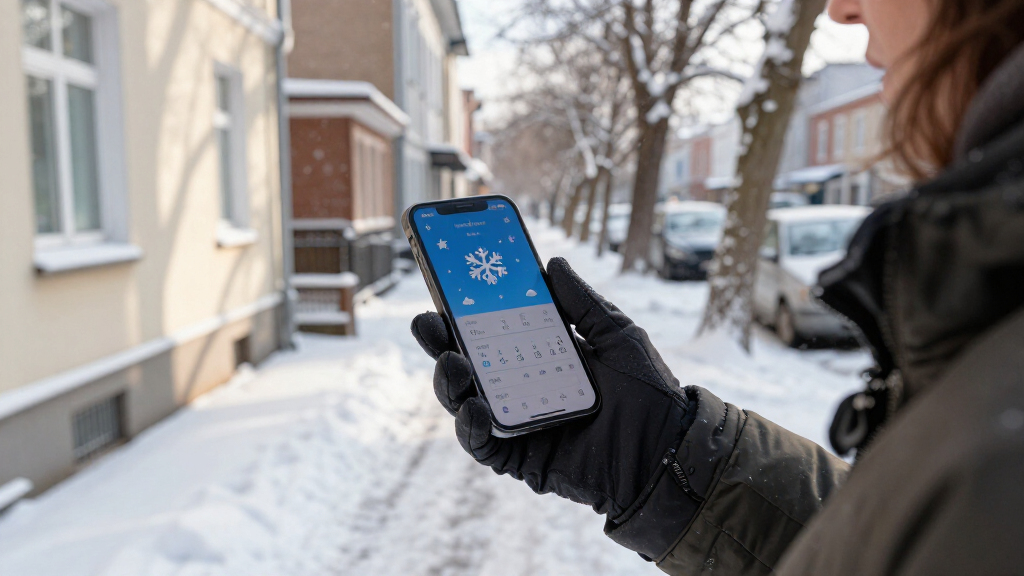
The US 2026 winter weather forecast indicates possible above-average snowfall in certain regions, driven by El Niño conditions. However, predictions are preliminary, and many factors remain uncertain.
Early projections for the US winter of 2026 suggest a potential increase in snowfall in northern and eastern regions, influenced by emerging El Niño conditions. These forecasts are preliminary and subject to change as climate models are refined, but they could have significant implications for transportation, agriculture, and energy sectors.
Climate experts from the National Weather Service and NOAA have indicated that an El Niño event is likely to develop by late 2024 or early 2025, which could influence winter weather patterns across the US. Initial models suggest the possibility of above-average snowfall in the northern Rockies, Great Lakes, and northeastern states, though forecasts remain uncertain at this stage.
Forecasts are based on early climate signals and historical patterns associated with El Niño, which typically leads to wetter and colder winters in certain regions. However, meteorologists emphasize that seasonal predictions more than a year in advance are inherently uncertain, with many variables still to be clarified as the season approaches.
Impacts of Early 2026 Winter Weather Predictions
This forecast matters because it could influence planning for winter storm preparedness, infrastructure maintenance, and resource allocation across affected states. An above-average snowfall could impact transportation networks, increase energy demand, and affect agriculture, especially in regions expecting more snow and colder temperatures.
Additionally, understanding potential winter climate patterns helps government agencies and businesses prepare for possible disruptions and allocate resources accordingly. However, since the forecast is preliminary, stakeholders are advised to monitor updates as the season nears.
winter snow shovels for heavy snowfall
As an affiliate, we earn on qualifying purchases.
As an affiliate, we earn on qualifying purchases.
El Niño’s Role in Shaping US Winter Climate
El Niño is a climate phenomenon characterized by warming of sea surface temperatures in the central and eastern Pacific Ocean, which influences weather patterns worldwide. Historically, El Niño events tend to bring wetter and colder conditions to the northern US and drier conditions to the southern US during winter.
The last significant El Niño occurred in 2018-2019, and experts suggest that a similar pattern might develop again in 2024-2025, potentially affecting the 2026 winter. Climate models are still assessing the strength and duration of this event, which will determine its impact on US weather.
While seasonal forecasts are improving, they remain probabilistic, and regional variations can differ significantly from national averages. The early signals point toward a possible El Niño, but the exact effects on snowfall and temperatures are yet to be confirmed.
“While we see signs of El Niño developing, it is still early to determine its precise impact on the 2026 winter. We expect increased chances of snow in northern regions, but forecasts are provisional.”
— Dr. Laura Simmons, NOAA Climate Scientist
As an affiliate, we earn on qualifying purchases.
Forecast Confidence and Key Unknowns for 2026 Winter
Forecasts for the 2026 winter remain highly uncertain due to the early stage of climate modeling and the variability of El Niño development. It is not yet clear how strong the El Niño will be or how long it will last, which are critical factors in determining regional snowfall and temperature patterns.
Additionally, other climate factors, such as Arctic oscillation and Pacific Decadal Oscillation, could influence the actual winter conditions, further complicating predictions. Experts caution that these early forecasts should be viewed as indicative rather than definitive.
As an affiliate, we earn on qualifying purchases.
Monitoring and Updating US Winter Climate Predictions
Meteorologists will continue to monitor climate signals and refine models throughout 2024 and 2025, providing updated seasonal forecasts as more data becomes available. The National Weather Service and NOAA will issue periodic outlooks ahead of the winter season, helping stakeholders prepare for potential impacts.
Key milestones include the annual winter outlook release in late 2024, and ongoing assessment of El Niño development and strength. Public and industry-specific advisories are expected to increase as confidence in the predictions improves closer to winter 2026.
heating space heaters for large rooms
As an affiliate, we earn on qualifying purchases.
As an affiliate, we earn on qualifying purchases.
Key Questions
How reliable are the early 2026 winter forecasts?
Early forecasts are based on initial climate signals and are inherently uncertain. They provide a general idea but are subject to change as more data becomes available and models are refined.
What regions are most likely to experience above-average snowfall?
Preliminary predictions suggest northern Rockies, Great Lakes, and northeastern states may see increased snowfall due to El Niño influences, but regional variations are still uncertain.
Will El Niño definitely occur in 2024-2025?
While climate models indicate a high likelihood of El Niño development, its strength and duration are still uncertain, and forecast confidence will improve as the season progresses.
How might this forecast affect winter preparations?
Stakeholders should monitor official updates and prepare for potential increased snowfall and colder temperatures, especially in regions historically affected by El Niño patterns.
When will more definitive predictions be available?
The most detailed seasonal outlooks are typically released in late 2024 or early 2025, closer to the start of the winter season.
Source: google-trends
Fall Picks
fall essentials
As an affiliate, we earn on qualifying purchases.