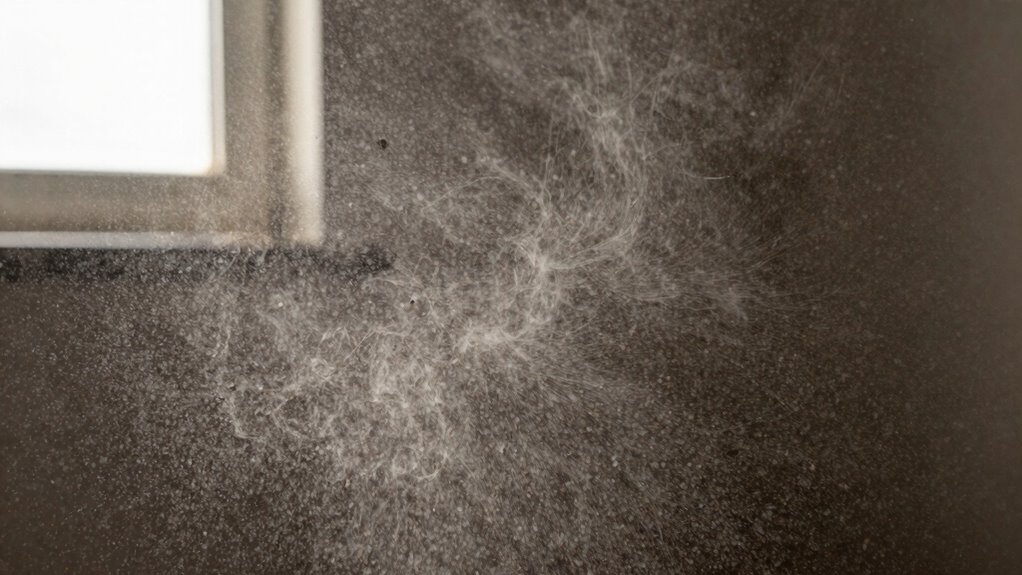

PM2.5 refers to tiny particles less than 2.5 micrometers wide that can easily reach deep into your lungs and even enter your bloodstream. Because of their small size, they bypass your body’s natural defenses and penetrate tissues, causing health issues like respiratory problems, heart disease, and inflammation. Understanding how these particles impact your health is important. Keep going to learn more about what makes PM2.5 so dangerous and how you can protect yourself.
Key Takeaways
- PM2.5 particles are tiny particles less than 2.5 micrometers in diameter, small enough to bypass respiratory defenses.
- Their small size allows them to penetrate deep into lung tissues and even enter the bloodstream.
- PM2.5 originates from vehicle emissions, industrial processes, burning fossil fuels, and wildfires.
- Exposure to PM2.5 can cause immediate respiratory issues and long-term health problems like heart disease.
- Monitoring PM2.5 levels helps assess air quality and protect vulnerable populations from health risks.
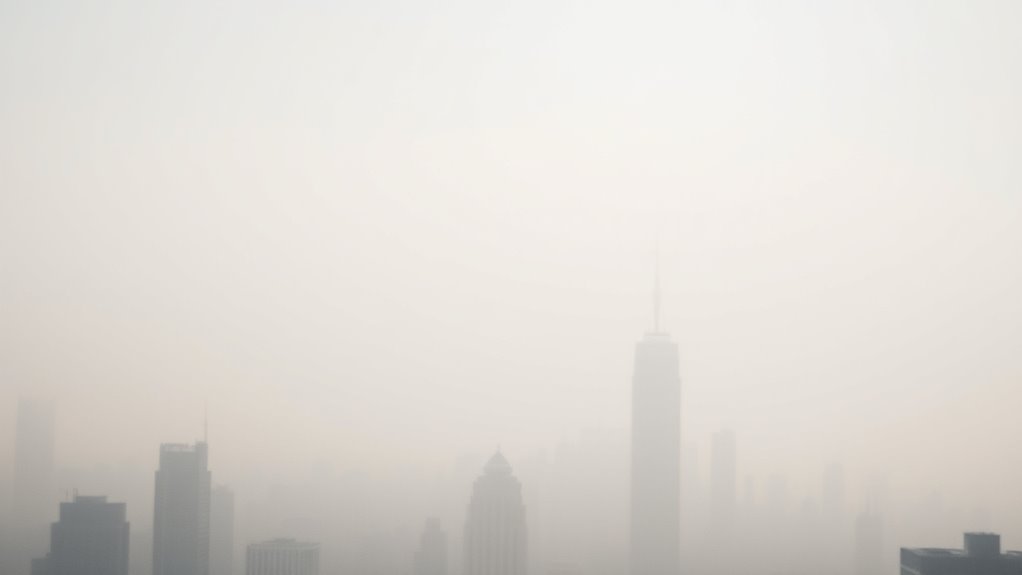
Have you ever wondered what PM2.5 really is and why it matters? These tiny particles, less than 2.5 micrometers in diameter, are so small that they can easily bypass your body’s natural defenses and penetrate deep into your lungs. Because of their size, PM2.5 particles are closely linked to air quality issues, and understanding them is essential for protecting your health. When the air quality deteriorates due to increased PM2.5 levels, your lungs and respiratory system bear the brunt. These particles can originate from various sources, including vehicle emissions, industrial processes, burning of fossil fuels, and even natural events like wildfires. Once airborne, they disperse widely, making their way into urban and rural environments alike.
PM2.5 particles are tiny pollutants that penetrate deep into lungs and affect overall air quality and health.
The health effects of PM2.5 are significant and well-documented. Because these particles are so tiny, they can bypass the nose and throat’s filtering mechanisms, reaching the deepest parts of your lungs. From there, they can enter your bloodstream, causing systemic health impacts. Short-term exposure to elevated PM2.5 levels can lead to respiratory problems like coughing, wheezing, and shortness of breath. It can exacerbate existing conditions such as asthma and bronchitis, making symptoms worse and increasing the risk of hospital visits. People with preexisting health issues, children, and the elderly are especially susceptible to these effects.
Long-term exposure to high concentrations of PM2.5 is even more alarming. It has been linked to chronic respiratory diseases, heart disease, and even lung cancer. Studies show that prolonged inhalation of these particles can cause inflammation and oxidative stress, damaging cells and tissues in your lungs and cardiovascular system. This damage can lead to decreased lung function and increased risk of cardiovascular events like heart attacks. The impact on air quality is also a critical concern because when PM2.5 levels rise, it indicates increased pollution, which can affect entire communities and ecosystems.
Understanding the connection between PM2.5, air quality, and health effects empowers you to take action. Monitoring air quality reports, avoiding outdoor activities during pollution peaks, and supporting cleaner energy sources are steps you can take to reduce your exposure. Recognizing the risks associated with these tiny particles helps you make informed decisions that protect your health and improve air quality for everyone. In the end, being aware of PM2.5’s dangers encourages a collective effort to reduce pollution and safeguard public health.

Temtop Air Quality Monitor PM2.5 PM10 Particle Counter, Formaldehyde, Temperature, Humidity, TVOC AQI Tester for Indoor/Outdoor Air Pollution Detection w/Data Export
ALL-IN-ONE RELIABLE AIR QUALITY MONITOR. This versatile air quality monitor measures PM2.5, PM10, formaldehyde, VOCs, humidity, temperature, and…
As an affiliate, we earn on qualifying purchases.
As an affiliate, we earn on qualifying purchases.
Frequently Asked Questions
How Does PM2.5 Affect Long-Term Health?
You may develop chronic respiratory issues and face increased risks to your cardiovascular health due to long-term PM2.5 exposure. These tiny particles can cause inflammation in your lungs and blood vessels, leading to conditions like asthma, bronchitis, or heart disease. Over time, this exposure can weaken your overall health, making you more vulnerable to serious illnesses. Protect yourself by minimizing exposure and monitoring air quality regularly.
What Are Common Sources of PM2.5 in Urban Areas?
Imagine a busy cityscape where your daily walk exposes you to tiny particles. You encounter common sources like vehicle emissions, which spew out exhaust fumes, and industrial pollution from factories releasing smoke and dust. These sources contribute considerably to PM2.5 levels. By being mindful of traffic times and supporting cleaner industries, you can help reduce your exposure and breathe a little easier in urban environments.
Can PM2.5 Levels Be Accurately Predicted?
Yes, you can predict PM2.5 levels with reasonable accuracy using air quality forecasting models. These models analyze data like weather patterns, emissions, and historical pollution trends to forecast future air quality. While predictions aren’t perfect, they help you prepare for high pollution days. Keep an eye on local air quality alerts, as forecasting models improve continuously, giving you better insights into PM2.5 fluctuations and health risks.
What Protective Measures Reduce PM2.5 Inhalation?
To reduce PM2.5 inhalation, you should wear respirator masks like N95 or P100 masks when air quality is poor. Additionally, using air purifiers with HEPA filters in your home helps remove fine particles from indoor air. Keep windows closed during high pollution days, and avoid outdoor activities when air quality alerts are issued. These measures effectively protect you from inhaling harmful PM2.5 particles.
How Does PM2.5 Impact Vulnerable Populations?
Just as delicate glass shatters easily, vulnerable populations, like children and the elderly, suffer more from PM2.5 exposure. You should know that air quality disparities make these groups more susceptible to health issues, including respiratory and cardiovascular problems. Childhood vulnerability is especially critical, as early exposure can cause long-term health effects. Protecting these populations involves improving air quality and reducing pollution sources to prevent lasting damage.

Air Purifiers for Home Large Room up to 2180 Sq Ft, DBFIT HEPA Air Purifier with Washable Nylon Pre-Filter, PM2.5 Air Quality Sensor, Air Cleaner for Pet Hair, Odor, Smoke, Dust, Pollen AP2410
POWERFUL AIR CLEANING FOR LARGE ROOMS – Breathe easier with the 2025 DBFIT AP2410 Air Purifier, designed with…
As an affiliate, we earn on qualifying purchases.
As an affiliate, we earn on qualifying purchases.
Conclusion
Just like a stealthy shadow slipping past your defenses, PM2.5 particles quietly invade your lungs, causing unseen harm. By understanding their tiny size, you can better protect yourself from the silent threat lurking in the air. Think of these particles as invisible invaders—small enough to reach the deepest parts of your lungs, much like whispers hidden in a crowded room. Stay informed, stay cautious, and breathe easier knowing what dangers to watch for.

GoveeLife Smart Air Quality Monitor with PM2.5, WiFi, Temperature & Humidity Sensors, LED Display, 2s Refresh, 2-Year Data Storage, for Home & Office Wired
High Accuracy & Fast Refresh Data: With this smart sensor, the PM2.5 accuracy is ±15 µg/m³ while temperature…
As an affiliate, we earn on qualifying purchases.
As an affiliate, we earn on qualifying purchases.

LEVOIT Air Purifier for Home Allergens Pet Hair in Bedroom, Covers Up to 1073 ft² by 56W High Torque Motor, AHAM VERIFIDE, 3-in-1 Filter with HEPA Sleep Mode, Remove Dust Smoke Odor, Core300-P, White
WHY CHOOSE AHAM VERIFIDE AIR PURIFIERS: AHAM (Association of Home Appliance Manufacturers) is an ANSI-accredited organization that sets…
As an affiliate, we earn on qualifying purchases.
As an affiliate, we earn on qualifying purchases.