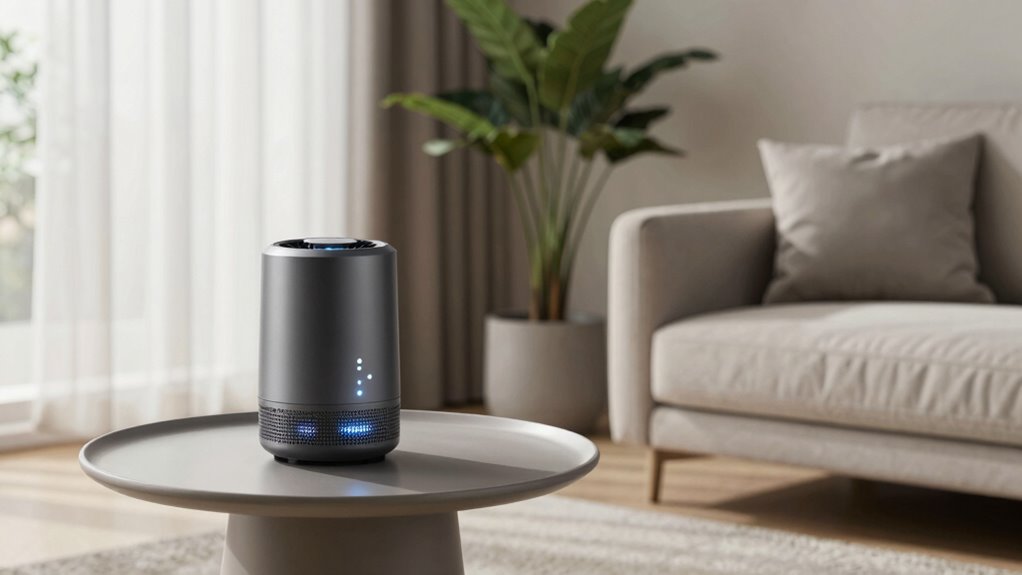

Ionizers improve indoor air by generating negative ions that remove airborne particles like dust and pollen. However, many also produce ozone as a byproduct, which can irritate your lungs and worsen asthma or allergies. High ozone levels are especially risky in poorly ventilated spaces. Choosing ozone-free or certified devices can help you enjoy cleaner air without the health tradeoff. Want to know how to balance air quality and ozone safety? Keep exploring for more insights.
Key Takeaways
- Ionizers improve air quality by removing airborne particles but can generate ozone as a byproduct during ionization.
- Ozone can irritate respiratory systems and worsen asthma symptoms, posing health risks indoors.
- Many modern ionizers claim to produce negligible ozone; verify device certifications to ensure safety.
- The amount of ozone produced depends on device design, voltage, and room size, influencing health risk levels.
- Using ozone-generating ionizers in occupied spaces without proper regulation can compromise indoor air safety.
Ionizers are popular devices used to improve indoor air quality by generating negative ions that attach to airborne particles, causing them to settle out of the air. These devices work by creating electrostatic fields that charge particles like dust, pollen, and pet dander, making it easier for them to be pulled out of circulation. As a result, your indoor environment can feel fresher and cleaner, especially if you suffer from allergies or asthma. However, while ionizers are effective at reducing certain airborne contaminants, they often come with a significant drawback: ozone generation.
The process of ionization involves creating a high-voltage electrical charge that produces ions. During this process, the device can also generate ozone, a reactive molecule composed of three oxygen atoms. Ozone is a powerful oxidant that can neutralize some indoor pollutants, but it’s also a harmful pollutant itself. When you turn on an ionizer, the electrostatic fields it produces can cause the formation of ozone as a byproduct. The amount of ozone generated varies depending on the device’s design and the conditions in your home, but even low levels of ozone can pose health risks over time.
Ozone generation is particularly concerning because ozone molecules can irritate your respiratory system, aggravate asthma, and reduce lung function. This risk is especially high if your ionizer is not equipped with ozone filtration or if it’s used in poorly ventilated spaces. The Environmental Protection Agency (EPA) warns against using ozone-generating air cleaners in occupied spaces, citing the potential for ozone to cause respiratory issues and other health problems. Many modern ionizers claim to be ozone-free or produce only negligible amounts of ozone, but it’s essential to verify these claims before making a purchase. Additionally, air cleaner regulations help ensure that devices meet safety standards and minimize health risks associated with ozone production.
Understanding the role of electrostatic fields is vital. These fields are the mechanism by which ions are generated, and they’re responsible for attracting airborne particles. While effective at clearing particles from the air, they also contribute to ozone formation, especially in devices that operate at high voltages or lack proper ozone controls. When shopping for an ionizer, check whether it’s certified to produce minimal or no ozone, and consider the size of the room where you’ll use it. Larger rooms may require more powerful devices, which could increase ozone risks if not properly designed.
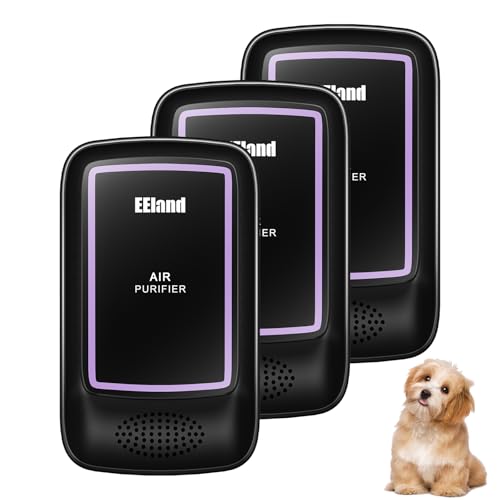
EEland Air Ionizers for Home (3 Pack), Air Purifier Plug In, Portable Negative Ion Generator, Cat Litter Deodorizer, Ozone Free Quiet Air Freshener for Pet Odor, Bedroom & Office
Fresher Air for Everyday Use:Helps improve pet odors, smoke, and common household smells to create a fresher indoor…
As an affiliate, we earn on qualifying purchases.
As an affiliate, we earn on qualifying purchases.
Frequently Asked Questions
Are Ionizers Safe for Children and Pets?
Ionizers can pose risks to child safety and pet health because they produce ozone, which can irritate lungs and mucous membranes. If you have children or pets, it’s best to avoid ionizers or choose models that emit low or no ozone. Ensuring proper ventilation and monitoring air quality helps protect their health. Always read product labels and consult with an expert to make the safest choice for your family.
How Do Ozone Levels Vary With Different Ionizer Models?
You’ll notice ozone levels vary with different ionizer models due to differences in ozone generation and calibration. Some models produce minimal ozone, while others emit higher levels if not properly calibrated. Regular ionizer calibration helps make certain ozone generation stays within safe limits, reducing health risks. Always check the manufacturer’s ozone emission details, and choose a model with low ozone output to protect your indoor air quality, especially around children and pets.
Can Ionizers Effectively Remove All Indoor Air Pollutants?
Ionizers can’t effectively remove all indoor air pollutants because of their limitations. While they do help reduce certain particles like dust and allergens, they struggle with gases, odors, and volatile organic compounds. Relying solely on ionizers may leave some pollutants behind. To improve pollutant removal, consider combining an ionizer with other air purifiers, like HEPA filters or activated carbon, for all-encompassing indoor air quality.
What Are the Long-Term Health Effects of Ozone Exposure?
Long-term ozone exposure can cause chronic respiratory issues, making it harder to breathe and increasing asthma risks. You might also experience cellular damage, which weakens your immune system and speeds up aging. Over time, these effects can lead to serious health problems. It’s essential to limit your exposure and maintain good indoor air quality, especially if you’re using devices that produce ozone.
How Can I Test My Indoor Air for Ozone Levels?
You can test your indoor air for ozone levels by using an air quality monitor capable of ozone measurement. Look for devices that specifically measure ozone concentrations and guarantee they’re certified for accuracy. Place the monitor in different areas of your home to get a thorough view of your indoor air quality. Regular testing helps you identify ozone buildup and take steps to reduce exposure for a healthier environment.

POMORON 4-in-1 Air Purifiers for Home, Air Ionizer Negative Ion Generator, H13 HEPA Filter, UV, Covers 1250 Ft² 99.97% Removal Rate for Pollen Smoke Pet Dander Air Cleaner for Bedroom, MJ002H, Black
4-in-1 Air Purifier for Home: The POMORON's new generation ionizer air purifier makes a great combination of important…
As an affiliate, we earn on qualifying purchases.
As an affiliate, we earn on qualifying purchases.
Conclusion
Understanding ionizers and ozone is like walking a tightrope—you’ll want to balance clean indoor air with potential health risks. While ionizers can freshen your space, they may also produce ozone, which can be harmful. Always read labels, follow safety guidelines, and keep your environment well-ventilated. Think of it as steering a boat through calm waters—you’ll enjoy the benefits without risking a storm. Stay informed, stay safe, and breathe easier.
EEland Air Ionizers for Home (3 Pack), Air Purifier Plug In, Portable Negative Ion Generator, Cat Litter Deodorizer, Ozone Free Quiet Air Freshener for Pet Odor, Bedroom & Office
Fresher Air for Everyday Use:Helps improve pet odors, smoke, and common household smells to create a fresher indoor…
As an affiliate, we earn on qualifying purchases.
As an affiliate, we earn on qualifying purchases.

LEVOIT Air Purifier for Home Allergens Pet Hair in Bedroom, Covers Up to 1073 ft² by 56W High Torque Motor, AHAM VERIFIDE, 3-in-1 Filter with HEPA Sleep Mode, Remove Dust Smoke Odor, Core300-P, White
WHY CHOOSE AHAM VERIFIDE AIR PURIFIERS: AHAM (Association of Home Appliance Manufacturers) is an ANSI-accredited organization that sets…
As an affiliate, we earn on qualifying purchases.
As an affiliate, we earn on qualifying purchases.