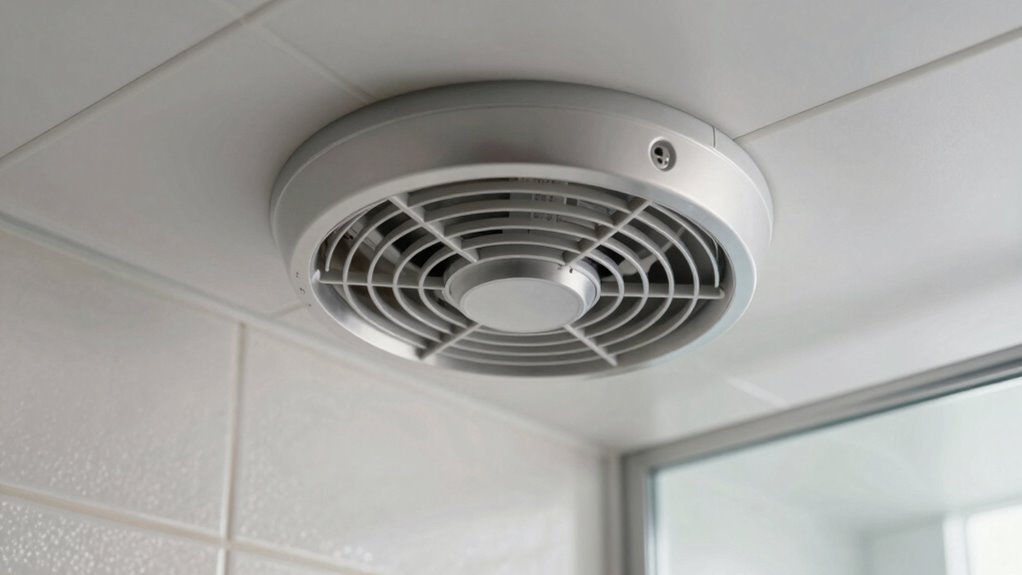

Many people overlook calibrating the humidity sensor in their bathroom fan, but it’s vital for proper operation. If you set the threshold too high, your fan won’t activate enough to prevent mold; too low and it may run constantly, wasting energy. Proper calibration ensures your fan responds accurately, reducing moisture and preventing damage. Keep in mind, fine-tuning your sensor is key—continue on to discover how to get it just right.
Key Takeaways
- Proper calibration ensures the humidity sensor activates the fan only when needed, preventing energy waste.
- Many users neglect calibration, causing fans to run constantly or not enough, reducing efficiency.
- Incorrect settings delay moisture removal, risking mold and mildew growth in bathrooms.
- Calibration often involves simple adjustments, but is frequently overlooked due to lack of awareness.
- Regular recalibration maintains sensor accuracy, optimizing ventilation and extending fan lifespan.
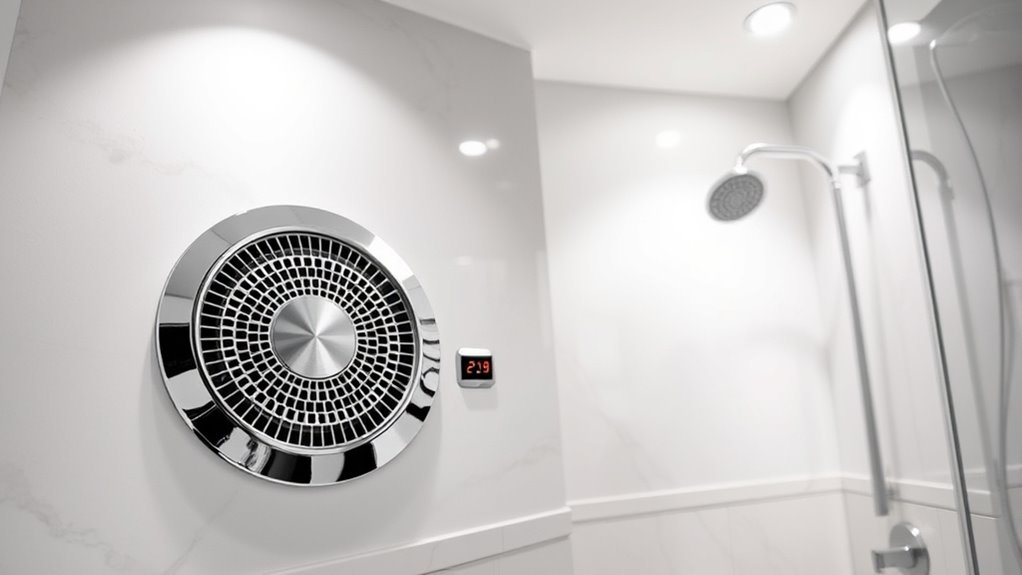
A bathroom fan is an indispensable device that helps keep your bathroom fresh and free of excess moisture. Its primary role is to improve ventilation efficiency, reducing the risk of mold, mildew, and unpleasant odors. Modern bathroom fans often feature sensor technology, which automatically activates the fan based on humidity levels or motion detection. While these sensors are designed to make your life easier, many homeowners overlook the importance of calibrating them properly. Failing to do so can lead to ineffective ventilation, wasting energy, or causing inconvenience when the fan either runs unnecessarily or not enough.
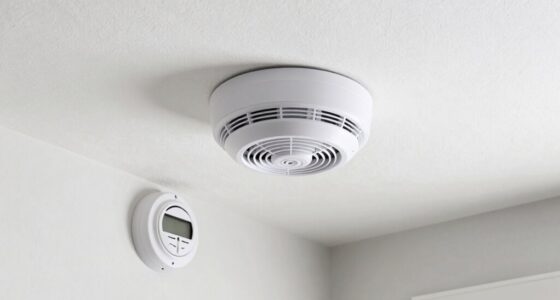
Sensor technology in bathroom fans is a significant upgrade from traditional on/off switches. These sensors detect humidity or motion to trigger the fan at the right times, helping you maintain ideal air quality without manual intervention. However, these sensors are only as good as their calibration. If the humidity sensor is set too high, it may not activate until the moisture levels are already dangerously high, allowing mold spores to settle and grow. Conversely, if set too low, the fan might turn on every time you step into the bathroom, creating unnecessary noise and increasing energy consumption.
Many people don’t realize that calibration is a vital step in ensuring the sensor functions correctly. Manufacturers often include instructions for calibration, but they’re easy to overlook or misinterpret. Proper calibration involves setting the humidity threshold at a level that balances effective moisture removal with energy efficiency. This means adjusting the sensor so it triggers the fan only when needed—after a shower or bath, but not every time you enter the room. Doing so improves ventilation efficiency, helping keep your bathroom dry and preventing problems caused by excess humidity.
Getting the calibration right also extends the lifespan of your bathroom fan. When the sensor is set improperly, it can cause the fan to run constantly or not enough, both of which put unnecessary strain on the motor. Over time, this can lead to premature wear and increased maintenance costs. Regularly checking and recalibrating your humidity sensor ensures it remains responsive and efficient. It’s a straightforward process that can often be done with a simple adjustment screw or through the fan’s control panel, depending on the model. Additionally, understanding the sensor calibration process can help troubleshoot issues if your fan isn’t performing as expected.
In the end, understanding and properly configuring the humidity sensor setting is key to maximizing your bathroom fan’s performance. Don’t assume it’s working perfectly out of the box. Take a few minutes to calibrate it correctly, and you’ll enjoy better ventilation efficiency, lower energy bills, and a healthier bathroom environment. Proper sensor calibration isn’t just a minor detail; it’s vital for your fan to do its job effectively and efficiently.

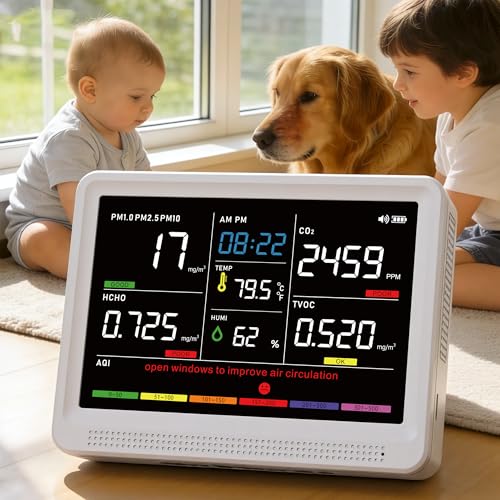
16 in 1 Air Quality Monitor Indoor 7" Large Display 9 AQI+7 Alerts, CO2 Monitor Air Quality Tester for CO2, TVOC, PM2.5 PM1.0 PM10, HCHO Temperature Humidity AQI & Time Air Quality Meter for Home
【16-in-1 Air Quality Monitor Indoor】Experience the ultimate indoor air quality monitoring with our 16-in-1 Air Quality Monitor, offering...
As an affiliate, we earn on qualifying purchases.
Frequently Asked Questions
How Often Should I Replace My Bathroom Fan’s Humidity Sensor?
You should replace your bathroom fan’s humidity sensor if it’s no longer responding accurately to humidity thresholds or if calibration becomes inconsistent. Typically, sensors last around 5 to 10 years, but you need to monitor its performance. Regularly check for signs of malfunction, like fan running constantly or not activating when needed. Proper calibration ensures your fan operates efficiently, and replacing the sensor when it fails helps maintain ideal humidity control.
Can Humidity Sensors Be Installed in Existing Bathroom Fans?
Did you know that over 60% of homeowners retrofit humidity sensors into existing bathroom fans? Yes, you can install sensors in your current fan, but it often depends on your model. Look for retrofit options designed for easy sensor installation, or consult an HVAC professional. Proper sensor installation guarantees your bathroom fan effectively manages humidity, preventing mold and damage without needing to replace the entire unit.
What Is the Ideal Humidity Level for Bathroom Fan Sensors?
You should set your bathroom fan sensor to activate around 50-60% humidity for ideal moisture control. To guarantee sensor accuracy, regularly perform humidity calibration, especially if you notice inconsistent operation. Proper calibration helps prevent false triggers or missed moisture buildup, maintaining a comfortable, mold-free environment. Keep an eye on the sensor’s performance, and recalibrate as needed, so your fan responds accurately and keeps humidity levels balanced.
Do All Bathroom Fans Have Adjustable Humidity Sensor Settings?
Imagine you install a bathroom fan with a humidity sensor. Not all models have adjustable humidity sensor settings, but many do. You can typically calibrate the sensor to set a desired humidity threshold, ensuring it activates only when needed. Check your fan’s specifications; if it’s adjustable, follow the calibration instructions to optimize performance. If not, you might need a different model for customized humidity control.
How Do I Troubleshoot a Malfunctioning Humidity Sensor?
To troubleshoot a malfunctioning humidity sensor, start with sensor calibration—check if it’s properly set according to the manufacturer’s instructions. If the sensor isn’t responding, perform a malfunction diagnosis by inspecting for dust, debris, or damage that could impair its function. Reset the system if needed, and test it again after calibration. If issues persist, consider replacing the sensor or consulting a professional for further diagnosis.
Professional 16 in 1 Air Quality Monitor Indoor 10h Battery & 5.5" Display 9 AQI+7 AQI Alerts, Portable CO2 Monitor Air Quality Tester for CO2, TVOC, PM2.5 PM1.0 PM10, HCHO Temp/ Humidity AQI & Time
【Professional 16-in-1 Indoor Air Quality Monitor】Experience the ultimate indoor air quality monitoring with our 16-in-1 Air Quality Monitor,...
As an affiliate, we earn on qualifying purchases.
Conclusion
Remember, your bathroom fan’s humidity sensor is like a silent guardian, quietly working behind the scenes. When you calibrate it properly, it becomes a trusted sentinel, silently protecting your space from moisture’s silent invasion. Neglect it, and it’s like letting a watchful eye slip away into the shadows. Embrace the calibration, and let your fan stand as a steadfast protector—keeping your sanctuary fresh and dry, even when you don’t see the battle being fought.

Temtop Air Quality Monitor PM2.5 PM10 Particle Counter, Formaldehyde, Temperature, Humidity, TVOC AQI Tester for Indoor/Outdoor Air Pollution Detection w/Data Export
ALL-IN-ONE RELIABLE AIR QUALITY MONITOR. This versatile air quality monitor measures PM2.5, PM10, formaldehyde, VOCs, humidity, temperature, and...
As an affiliate, we earn on qualifying purchases.
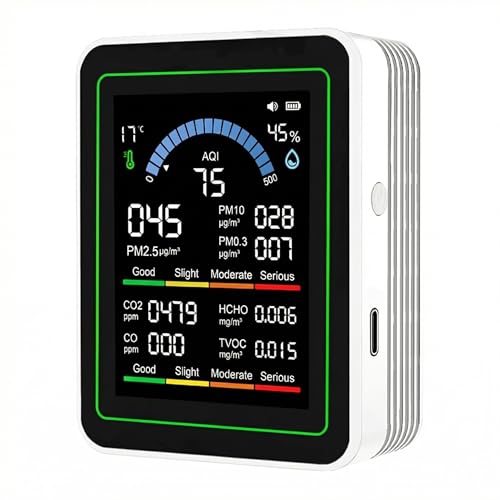
Air Quality Monitor Indoor, 10 in 1 Portable Smartair Quality Tester for CO2 | CO | TVOC | HCHO | Temp | AQI | PM0.3-1 Detection Hum for Home Cars Plants, Pets, Car, Hotel
【10-in-1 Smart Air Quality Monitor: Your All-Round Environmental Guardian】 This portable intelligent air quality tester delivers ultra-precise multi-gas...
As an affiliate, we earn on qualifying purchases.