
Air Changes per Hour (ACH) measures how often your indoor air is replaced in an hour, giving you a clear sense of freshness and air quality. Higher ACH means cleaner, more refreshed air, reducing pollutants, carbon dioxide, and stale air. Too low ACH can lead to stuffiness and health issues. Understanding and managing ACH helps you create a healthier space. Keep exploring to discover how to optimize your indoor air for maximum comfort and safety.
Key Takeaways
- ACH measures how many times the total indoor air volume is replaced each hour, indicating air freshness.
- Higher ACH typically means cleaner, more oxygenated air with fewer pollutants and airborne contaminants.
- Low ACH can lead to stale, stuffy air, increasing health risks like allergies and headaches.
- Ventilation standards specify recommended ACH levels to ensure indoor air quality and comfort.
- Monitoring and adjusting ACH helps maintain a healthy, fresh indoor environment.
Understanding air changes per hour (ACH) is vital for guaranteeing good indoor air quality and maintaining a healthy environment. When you think about how fresh the air feels inside a space, ACH provides a clear measure of how often the entire volume of air in that space gets replaced within an hour. This metric isn’t just about comfort; it’s a key factor backed by ventilation standards that aim to safeguard your health. Whether you’re managing a home, office, or industrial facility, knowing your ACH helps you evaluate whether your indoor air quality is sufficient or if improvements are needed.
Ventilation standards set specific ACH levels to make certain that indoor environments are safe and comfortable. For example, many building codes recommend a minimum ACH to prevent the buildup of pollutants, carbon dioxide, and other airborne contaminants. If your indoor space has too low an ACH, you might notice stale air, stuffiness, or even develop health issues like allergies, headaches, or respiratory problems. Conversely, excessively high ACH might lead to energy waste and discomfort from drafts or temperature fluctuations. Striking the right balance is vital, and understanding ACH allows you to do just that.
To improve indoor air quality, you need to think about how your ventilation system operates relative to these standards. If your ACH is below recommended levels, increasing ventilation—either through mechanical systems or natural airflow—can greatly boost air freshness. Many modern HVAC systems are designed to optimize ACH, ensuring the right amount of fresh air enters and stale air exits. Regularly monitoring your ACH can reveal whether your ventilation setup is effective or if adjustments are necessary. This might involve upgrading filters, increasing fan speeds, or adding air purifiers to further enhance indoor air quality.
Knowing your ACH also helps you understand the impact of different activities or occupancy levels on air quality. For instance, a crowded room will generate more pollutants, requiring a higher ACH to maintain a healthy environment. Similarly, certain spaces like laboratories or healthcare facilities have strict ventilation standards that specify higher ACH values to minimize contamination risks. By being aware of these requirements, you can make informed decisions on how to design or modify your ventilation system.
Furthermore, understanding the air exchange rate can help you better interpret ACH data and implement effective solutions.
Ultimately, ACH acts as a straightforward yet powerful indicator of indoor air quality. It provides you with tangible data to assess whether your environment is healthy or needs improvement. By aligning your ventilation practices with established standards and understanding how ACH influences air freshness, you can create safer, more comfortable indoor spaces. Regularly checking and adjusting your ACH ensures that the air you breathe remains clean, fresh, and conducive to well-being, making it an essential part of effective indoor environment management.

10 in 1 Smart Air Quality Monitor Indoor,Carbon Monoxide Monitoring,Co2 Detector,Professional Air Quality Test Kit with CO2 | CO | TVOC | HCHO | Temp | AQI | PM2.5 | PM0.3 | PM10
This is a 10-in-1 Portable Smartair Quality Tester: Ultra-Precise Multi-Gas Detection Accurately monitors CO, CO2, HCHO (Formaldehyde), TVOC,...
As an affiliate, we earn on qualifying purchases.
Frequently Asked Questions
How Do Air Changes per Hour Affect Indoor Humidity Levels?
Higher air changes per hour can help regulate indoor humidity by removing excess moisture, preventing stuffiness, and reducing mold growth. When you increase air exchange, you allow fresh air to replace moist indoor air, aiding humidity control. Conversely, lower air changes can trap air moisture, raising humidity levels. Adjusting air changes ensures your indoor environment stays comfortable, balancing air moisture and maintaining ideal humidity for health and comfort.
Can High ACH Rates Eliminate All Indoor Pollutants?
High ACH rates improve air circulation and can critically reduce many indoor pollutants, but they can’t eliminate all. Some pollutants, like volatile organic compounds or particulate matter, require targeted removal methods such as filtration or source control. While increased air exchange helps, it’s not a complete solution. You need a combination of good ventilation and specific pollutant removal strategies to ensure truly healthy indoor air.
What Is the Ideal ACH for Different Types of Buildings?
You should aim for ventilation standards that match your building’s use and occupancy impact. For homes, 0.35 ACH is typical, while offices need around 4-6 ACH to guarantee fresh air. Schools and gyms require higher rates, often 6-12 ACH, to handle increased occupancy impact. Adjust your ACH based on how many people use the space, guaranteeing good air quality and compliance with safety guidelines.
How Does ACH Relate to Energy Consumption and Efficiency?
You can improve energy savings and ventilation efficiency by managing ACH carefully. Higher ACH means more air exchange, which often increases energy use due to heating or cooling. To balance fresh air with efficiency, optimize ACH levels based on your building’s needs. Proper ventilation controls reduce unnecessary energy consumption, ensuring you maintain indoor air quality without wasting power. Adjusting ACH thoughtfully helps you achieve cleaner air and lower energy costs simultaneously.
Are There Health Risks Associated With Too High or Too Low ACH?
You might be playing with fire if your ACH is too high or too low, affecting indoor air quality and health. Too low, and you risk buildup of pollutants and allergens; too high, and you could cause dryness or discomfort. Following ventilation standards helps balance air quality and comfort. Keep an eye on ACH levels to prevent health risks, ensuring your indoor environment stays safe and fresh without overdoing it.

18 in 1 Air Quality Monitor Indoor, Portable CO2 Detector for CO2, Temperature (°F), Humidity, VOC, PM2.5, PM1.0, PM10 & Time Display, 【Dual Chip & High Accuracy】 Air Quality Tester for Home
✅【18-in-1 Air Quality Monitor Indoor】 The Nanezan multi-function Indoor Air Quality Monitor is an ideal choice. Is a...
As an affiliate, we earn on qualifying purchases.
Conclusion
So, next time you’re gasping for fresh air, remember—air changes per hour are your sneaky hero. They silently tell you if your space’s air is as fresh as a mountain breeze or as stale as last week’s gym socks. Don’t rely on nose tests or vague gut feelings; trust the numbers. After all, who knew that something so simple could save you from breathing in the equivalent of a garbage dump? Stay vigilant, breathe better!
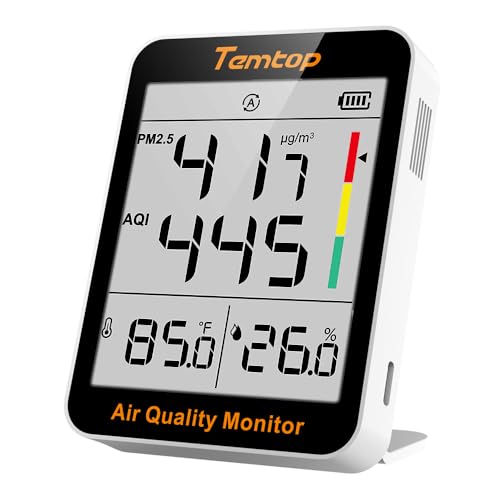
Temtop Air Quality Monitor Indoor Thermo-Hygrometer - PM2.5, AQI, Temperature, and Humidity Meter for Home, Office, or School, Air Quality Measurement, 60-Day Battery Life
Improve the quality of life -- Temtop S1 can monitor the concentration of PM2.5 in the air, including...
As an affiliate, we earn on qualifying purchases.

Temtop PM2.5 Monitor P600, Essential Air Particle Meter PM2.5 PM10 Air Quality Tester for Indoor/Outdoor Air Pollution Detection, Particle-Centric Detector w/Data Histogram Display
UPGRADED SENSOR: Adopting Temtop second-generation PM2.5 particle laser sensor, directly transform the PM2.5 & PM10 concentration into visual...
As an affiliate, we earn on qualifying purchases.