Having a water shutoff plan in place is essential because it helps you respond quickly during leaks or pipe bursts, preventing costly water damage. Knowing how to locate and operate your main valve guarantees you can act fast when needed. Regular maintenance and clear communication with your household make the process smoother and less stressful. By prioritizing water shutoff planning, you protect your home and save money—keep going to discover how to get started.

Prime made for students and young adults
- Fast, free delivery for dorm and study essentials
- Prime Video and Amazon Music included
- Member-only deals
Key Takeaways
- Quick water shutoff prevents extensive flooding and water damage during pipe bursts or leaks.
- Knowing how to locate and operate the main valve ensures rapid response in emergencies.
- Regular maintenance reduces the risk of sudden plumbing failures requiring emergency shutoff.
- Clear communication and preparedness minimize chaos and damage during water-related crises.
- Integrating shutoff planning into routine home maintenance enhances overall safety and cost savings.
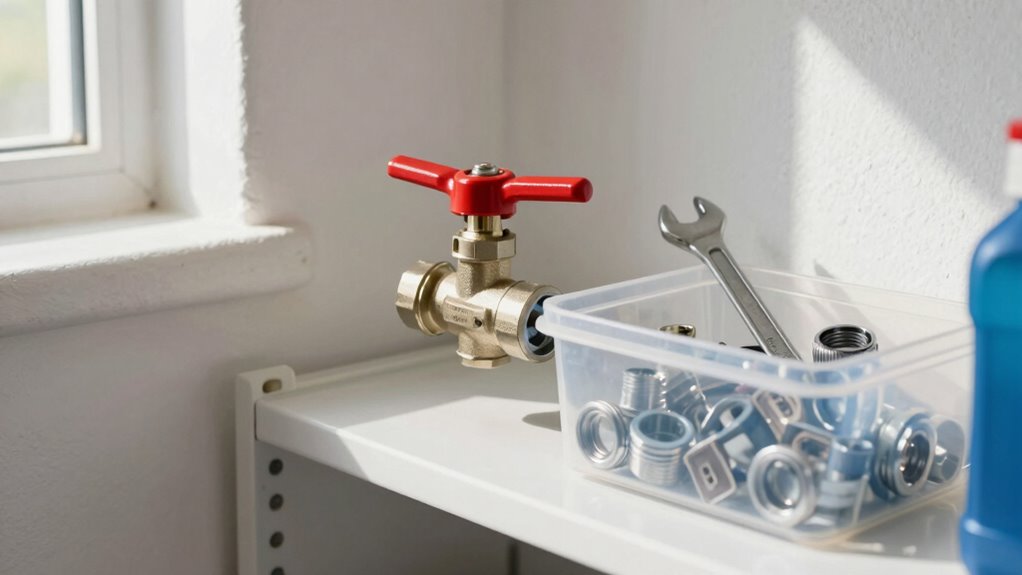
Planning for a water shutoff might not be something you think about until it’s suddenly necessary, but being prepared can save you time and stress. When a pipe bursts or a leak develops, quick action is crucial. That’s why water shutoff planning should be an essential part of your emergency preparedness. Knowing how to immediately turn off your main water valve can prevent flooding, water damage, and costly repairs. It’s a simple step that makes a big difference during emergencies, especially if you understand your plumbing system and have a plan in place.
Being prepared to shut off your main water valve quickly can prevent damage during emergencies.
In addition to emergency preparedness, regular plumbing maintenance plays a vital role in avoiding sudden water shutoffs. Routine inspections can spot potential issues before they escalate, such as corroded pipes or faulty valves. When you stay proactive with plumbing maintenance, you reduce the chances of unexpected failures that require rapid shutoff. This not only minimizes damage but also extends the lifespan of your plumbing system. Incorporating a schedule for inspections and repairs helps you stay ahead of problems and keeps your home safe and efficient. Understanding your plumbing system is key to identifying vulnerabilities early. Being familiar with plumbing system components can help you recognize signs of deterioration before they lead to emergencies.
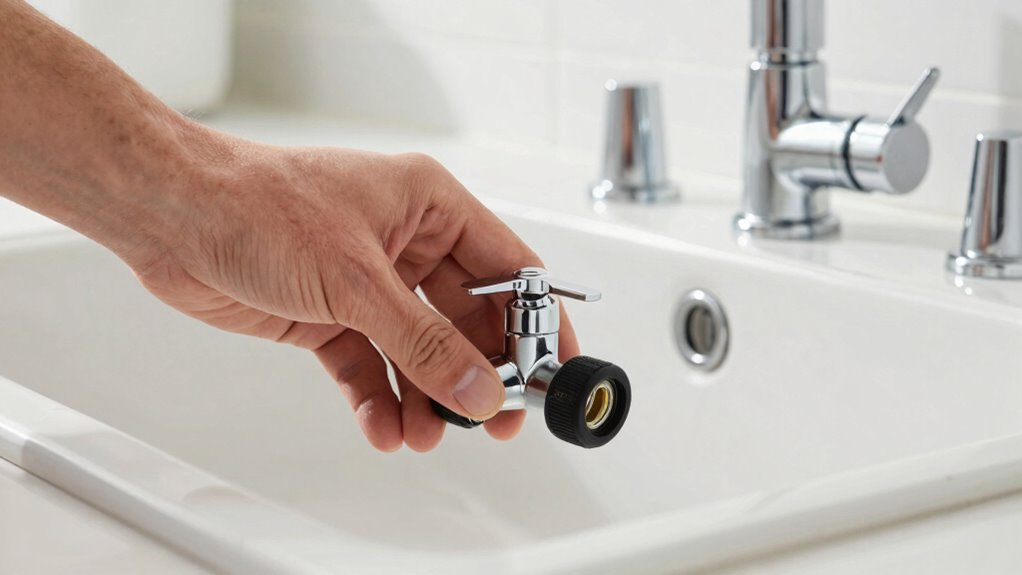
Knowing where your main water shutoff valve is located is fundamental. You should familiarize yourself with its position, whether it’s in your basement, garage, or outside. Once located, test the valve periodically to ensure it turns smoothly and isn’t stuck or corroded. If you encounter any issues, consider replacing or repairing it ahead of an emergency. Having this knowledge and maintaining your shutoff valve is part of responsible plumbing maintenance, and it empowers you to act swiftly when needed.
Creating a water shutoff plan also involves informing family members or housemates about the procedure. Everyone should know how to turn off the water quickly in case of an emergency. Keep essential tools like a wrench nearby for easy access. You might also consider labeling the shutoff valve clearly so there’s no confusion during a stressful situation. A well-thought-out plan minimizes chaos and speeds up your response, reducing potential damage caused by water leaks or bursts.
Incorporating water shutoff planning into your routine is a small but critical step toward safeguarding your home. It’s about being prepared, understanding your plumbing system, and taking proactive measures to prevent disasters. Understanding your plumbing system and having a comprehensive emergency plan are essential components of responsible home maintenance. By integrating emergency preparedness with regular plumbing maintenance, you create a comprehensive approach that keeps your household safe, saves money, and provides peace of mind. Don’t wait until a crisis strikes—start planning today, and ensure you’re ready to act quickly and confidently when it matters most.
Frequently Asked Questions
How Often Should I Review My Water Shutoff Plan?
You should review your water shutoff plan at least once a year to stay prepared for emergencies and guarantee smooth plumbing maintenance. Regular reviews help you stay familiar with the shutoff locations and procedures, reducing damage if a leak or burst pipe occurs. Keep your plan updated with any plumbing changes or new household members, so you’re always ready to act quickly and protect your home.
What Tools Are Needed for a Water Shutoff Emergency?
Like a trusty Swiss Army knife, you’ll need essential tools for a water shutoff emergency. Grab an adjustable wrench, a utility knife, and pliers to turn off the main valve swiftly. Keep an emergency kit nearby, including gloves and a flashlight, plus a maintenance checklist to make certain everything’s in place. These tools help you act fast, preventing water damage and giving you peace of mind during unexpected plumbing issues.
Can Shutoff Valves Fail Over Time?
Yes, shutoff valves can fail over time, especially if you neglect valve maintenance or ignore leak detection signs. Corrosion, mineral buildup, or worn parts can cause valve failure, making it harder to shut off water quickly. Regularly inspecting and maintaining your valves helps prevent unexpected issues. By staying proactive, you guarantee your shutoff valves work when you need them most, protecting your home from water damage.
Should I Label My Water Shutoff Valve?
Yes, you should label your water shutoff valve. Clear labels aid in quick identification during emergencies, aligning with your emergency preparedness efforts. While valve maintenance keeps it functioning properly, labeling guarantees you can shut off water swiftly if needed. This simple step creates a rhythm of readiness, reducing panic and time lost. Properly labeled valves empower you to act confidently, safeguarding your home and loved ones when every second counts.
How Do I Find My Main Water Shutoff Valve?
To find your main water shutoff valve, start by checking near where the main water line enters your home, often in the basement, garage, or utility area. Look for a large, round or lever-style valve. Knowing its location is essential for home safety and plumbing maintenance, allowing you to quickly turn off water during leaks or emergencies. If needed, consult your home’s blueprints or ask a plumber for help.
Conclusion
Remember, an ounce of prevention is worth a pound of cure. Having a water shutoff plan in place means you’re prepared for emergencies and can avert costly damage. Don’t wait until it’s too late—know how to turn off your water quickly and keep your home safe. Taking these simple steps now ensures peace of mind and helps you avoid unnecessary stress down the line. Stay proactive, and you’ll be ready for whatever surprises come your way.
Fall Picks
fall essentials
As an affiliate, we earn on qualifying purchases.