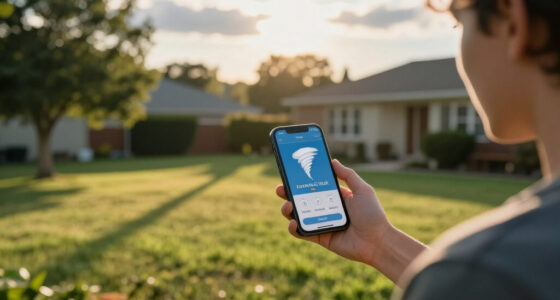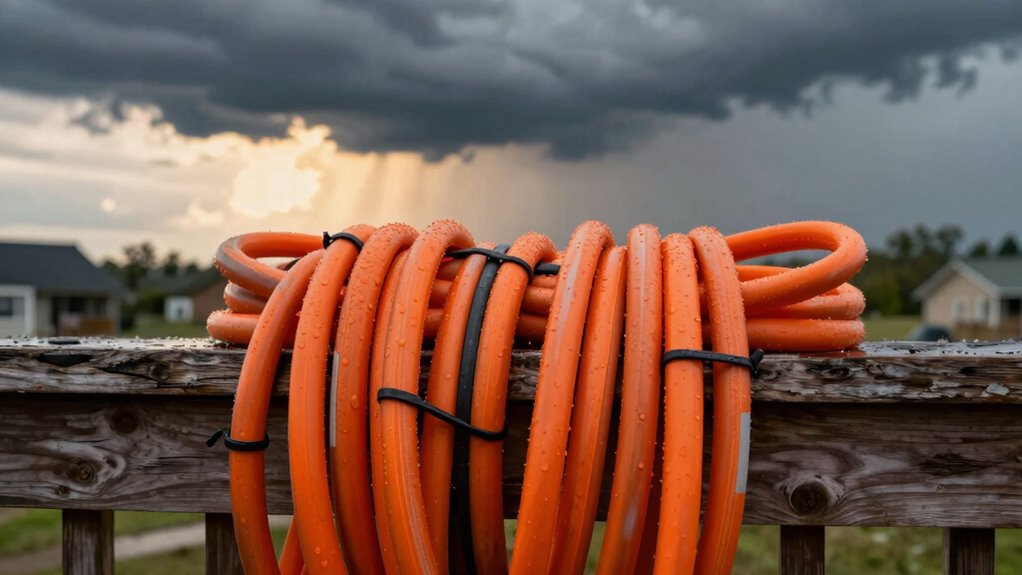

Having a well-prepared emergency kit makes the biggest difference during a storm. It guarantees you have essential supplies like non-perishable food, water, medications, and a flashlight right at hand. This prep helps you stay calm, avoid panic, and respond quickly, even if power goes out or flooding occurs. A ready kit can protect you and your loved ones, making all the difference during an emergency. Keep going to discover more crucial steps to boost your storm readiness.

Prime made for students and young adults
- Fast, free delivery for dorm and study essentials
- Prime Video and Amazon Music included
- Member-only deals
Key Takeaways
- Developing a comprehensive communication plan ensures timely coordination and reduces confusion during emergencies.
- Regularly practicing emergency drills enhances readiness and ensures everyone understands their roles.
- Assembling a well-stocked emergency kit guarantees quick access to essential supplies when needed.
- Preserving natural ecosystems helps mitigate storm impacts and reduces flooding risks.
- Keeping important documents accessible and protected enables swift recovery after a storm.

When a storm is on the horizon, taking proactive steps can make all the difference in safeguarding your home and loved ones. One of the most effective actions you can take is preparing an emergency kit and establishing a solid communication plan. An emergency kit guarantees that you have essential supplies on hand if the storm disrupts power, causes flooding, or makes travel unsafe. It should include non-perishable food, bottled water, medications, flashlight, batteries, a first aid kit, and important documents. Keep this kit in a easily accessible location, and regularly check and update its contents to make certain everything is in working order. Having these supplies ready means you won’t have to scramble in a panic if the storm hits suddenly.
Preparing an emergency kit with essentials ensures safety and readiness during storm disruptions.
Alongside your emergency kit, developing a clear communication plan is vital. Storms can knock out phone lines and internet service, leaving you cut off from the outside world. Your communication plan should outline how you’ll stay in touch with family members, friends, and emergency services. Decide on a primary contact person outside the affected area, and make sure everyone knows how to reach them. Establish alternative ways to communicate, such as walkie-talkies or social media, in case cell service is down. Also, plan where everyone will meet if you’re separated during the storm. This way, you minimize confusion and make certain everyone knows what to do.
Beyond having these plans in place, practicing them regularly reinforces their importance. Conduct family drills so everyone knows how to quickly find supplies and communicate during an emergency. Make sure children understand what to do and where to go, and remind everyone to keep their mobile devices charged and accessible. You should also review your emergency kit periodically, replacing expired medications or outdated supplies. Keep copies of important documents—like IDs, insurance papers, and medical records—in a waterproof container within your kit or a safe location. Additionally, understanding biodiversity can help you recognize the importance of natural ecosystems in mitigating storm impacts and promoting resilience in your community. Recognizing the role of natural ecosystems can also inspire community efforts to preserve green spaces that absorb stormwater and reduce flooding. Being aware of climate resilience strategies can further enhance your preparedness efforts and community planning.
Taking these steps is your best defense against the chaos that storms can bring. Preparing an emergency kit and establishing a communication plan may seem simple, but these measures can greatly reduce anxiety and confusion when severe weather strikes. The goal is to stay calm, organized, and ready. When you’ve done the groundwork now, you’ll be better equipped to handle whatever nature throws your way, protecting both your home and the people you care about most.
Frequently Asked Questions
How Early Should I Start Storm Preparations Each Season?
You should start storm preparations at least a month before the storm season timeline begins. This way, you have plenty of time to complete your preparedness checklist, gather supplies, and secure your home. Keep an eye on weather updates and review your plan regularly. Starting early guarantees you’re not caught off guard, and you can address any gaps in your storm readiness without rushing.
What Is the Most Overlooked Storm Safety Tip?
They say, “A stitch in time saves nine,” and that’s true for storm safety. Your most overlooked tip is updating your emergency preparedness kit regularly. Many forget to check expiration dates or add essentials like batteries or medication. Staying proactive keeps you ready for any storm, ensuring your safety isn’t left to chance. Don’t wait for the storm to hit—review and refresh your emergency supplies today for peace of mind.
How Can I Protect My Pets During a Storm?
To protect your pets during a storm, keep them indoors in a secure, quiet space. Have a pet first aid kit handy and guarantee your pets are wearing collars with ID tags. Prepare a list of veterinary contacts in case of emergencies. Stay calm and comfort your pets to reduce their anxiety. Regularly update their vaccinations and keep a leash and carrier nearby for quick evacuation if needed.
What Should I Include in an Emergency Storm Kit?
You should include emergency supplies like water, non-perishable food, first aid kit, flashlight, and batteries. Add comfort items such as blankets and extra clothing, along with necessary medications. Don’t forget a safety checklist with important documents, cash, and a portable phone charger. By gathering these essentials, you’re preparing for the worst and ensuring safety, comfort, and quick response during a storm. Stay proactive, stay prepared, stay safe.
How Do I Communicate With Neighbors During a Storm?
During a storm, you should establish neighborhood coordination and emergency communication plans. Use walkie-talkies, cell phones, or community messaging apps to stay connected. Share contact information beforehand, and create a designated communication point. Make certain everyone knows how to reach each other, especially if power outages occur. Regularly practice your plan to keep communication clear and efficient, helping everyone stay informed and safe during the storm.
Conclusion
By focusing on this one essential storm prep step, you’re like a captain steering through turbulent waters, charting a course with confidence. When you prioritize preparation, you build a sturdy hull against the storm’s fiercest waves, ensuring your safety and peace of mind. Remember, even the strongest ship needs a reliable anchor. So, take that critical step today—it’s your anchor in the chaos, keeping you steady when the skies darken and the winds roar.
Fall Picks
fall essentials
As an affiliate, we earn on qualifying purchases.