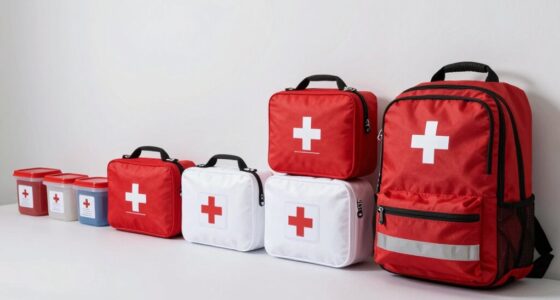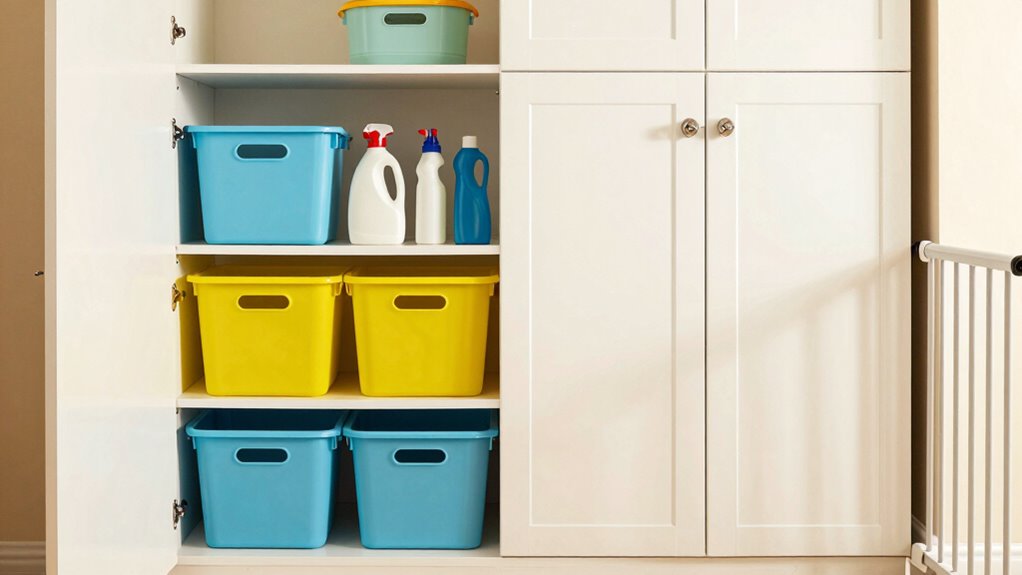
Your storage decisions directly impact your household safety by preventing accidents, fire hazards, and keeping dangerous substances out of children’s reach. Properly organizing items reduces clutter and makes it easier to access safety equipment quickly. Avoiding careless storage of flammable or hazardous materials lowers risks, while thoughtful placement keeps everyone safe. If you want to discover helpful tips that can improve your home’s safety through smarter storage, keep exploring how to make better choices.

Prime made for students and young adults
- Fast, free delivery for dorm and study essentials
- Prime Video and Amazon Music included
- Member-only deals
Key Takeaways
- Proper storage prevents children from accessing hazardous substances and sharp objects, reducing accident risks.
- Storing flammable materials safely minimizes fire hazards and enhances overall home safety.
- Organized storage spaces allow quick access to safety equipment like fire extinguishers during emergencies.
- Thoughtful storage reduces clutter, preventing falls and improving household safety and efficiency.
- Safe storage practices help identify and eliminate potential hazards, creating a secure living environment.

Effective storage decisions play an essential role in maintaining household safety, especially in preventing accidents and keeping hazardous items out of reach. When you choose where and how to store everyday objects, you directly influence the safety of everyone in your home. Poor storage can lead to dangerous situations, from children accessing harmful substances to fire hazards lurking unnoticed. That’s why understanding the importance of thoughtful storage is essential for a secure environment.
Childproofing essentials are a fundamental aspect of household safety that hinges on your storage choices. You need to think about how to keep dangerous items like cleaning supplies, medications, and sharp objects out of your children’s reach. Using childproof locks on cabinet doors or storing hazardous items on high shelves can prevent accidental poisoning or injury. Small, easily accessible storage containers for toys and essentials also help minimize clutter, reducing the risk of tripping or accidental falls. When you organize your storage spaces with children in mind, you’re actively reducing the chances of accidents and ensuring a safer environment for your little ones. Proper storage organization can further enhance your efforts to create a safer home. Incorporating hazard prevention strategies into your storage plans can help identify and eliminate potential risks before they cause harm.
Fire hazard prevention is another essential factor that depends heavily on your storage decisions. Flammable liquids like alcohol, gasoline, or certain cleaning agents should be stored in cool, well-ventilated areas away from heat sources or open flames. Avoid storing these items in places where they could accidentally ignite, such as near stoves or heaters. Cluttered storage spaces, especially in the kitchen or garage, can also contribute to fire risks by blocking exits or trapping heat. Properly organizing and securing items in fire-resistant cabinets or storage units minimizes the chance of accidental fires and makes it easier to access essential safety equipment, like fire extinguishers, in an emergency. Additionally, proper storage techniques can help prevent the buildup of combustible materials that increase fire risks. Implementing fire safety guidelines for storage can further enhance your home’s protection.
Your storage choices influence not just safety but also efficiency within your home. By designating specific spots for everyday items, you reduce the time spent searching and prevent dangerous mishaps caused by misplaced objects. Regularly inspecting storage areas for potential hazards, like frayed cords or leaking containers, further bolsters household safety. Ultimately, thoughtful storage decisions—whether it’s using childproofing essentials or implementing fire hazard prevention measures—show that you prioritize safety. Your home becomes a safer place for everyone, especially the little ones and those vulnerable to fire risks. When you take control of your storage solutions, you’re actively protecting your family and creating a secure, organized living space.
Frequently Asked Questions
How Do Storage Choices Impact Fire Hazards at Home?
Your storage choices directly impact fire hazards at home. Using fire-resistant containers for flammable items reduces the risk of ignition, while secure shelving keeps hazardous materials stable and prevents spills or falls that could cause fires. Properly organizing and storing materials minimizes clutter and potential ignition sources. By prioritizing fire-resistant containers and secure shelving, you create a safer environment, considerably lowering the chance of fires spreading or starting unexpectedly.
Are There Specific Storage Materials That Improve Safety?
Using proper storage containers made of fire-resistant or non-flammable materials can greatly improve safety at home. Look for containers with clear safety labels that indicate their fire safety ratings. These labels help you identify which storage options are safest for flammable items. By choosing the right storage containers and paying attention to safety labels, you minimize fire risks and create a safer environment for everyone in your household.
How Can Storage Solutions Prevent Accidental Poisoning?
Like a fortress guarding treasures, your storage solutions can prevent accidental poisoning by implementing childproofing measures and a clear labeling system. You should store hazardous substances in high, locked cabinets out of children’s reach, ensuring they’re inaccessible. Properly labeling all containers helps you and others quickly identify dangerous items, reducing the risk of accidental ingestion. Regularly check and maintain these safety measures to keep your household secure and poison-free.
What Are the Best Storage Practices for Hazardous Household Items?
You should store hazardous household items in a secure, elevated location out of children’s reach. Always follow chemical safety guidelines, such as using child-proof locks and ventilated cabinets. Label items clearly according to labeling standards, indicating their contents and danger level. Keep chemicals separated from food and medicine, and regularly check expiration dates. Proper storage reduces risks, prevents accidental poisonings, and guarantees your household stays safe.
How Does Clutter Storage Influence Emergency Evacuation?
Clutter storage can greatly hinder your emergency evacuation, as disorganized spaces slow down your ability to find exits or emergency supplies quickly. Proper clutter organization ensures clear pathways, making it easier to evacuate swiftly during emergencies. Good emergency preparedness involves keeping walkways free of obstacles and storing essential items in accessible spots. By maintaining organized clutter storage, you reduce chaos and improve safety, helping you and your family escape more efficiently when seconds count.
Conclusion
Think of your home as a castle, where your storage choices are the knights guarding its gates. When you organize wisely, you’re strengthening those defenses, keeping dangers like sharp tools or hazardous chemicals at bay. But if you neglect your storage, it’s like leaving the gates wide open — inviting trouble inside. By making smart storage decisions, you’re not just tidying up; you’re building a fortress that protects everyone inside.
Fall Picks
fall essentials
As an affiliate, we earn on qualifying purchases.