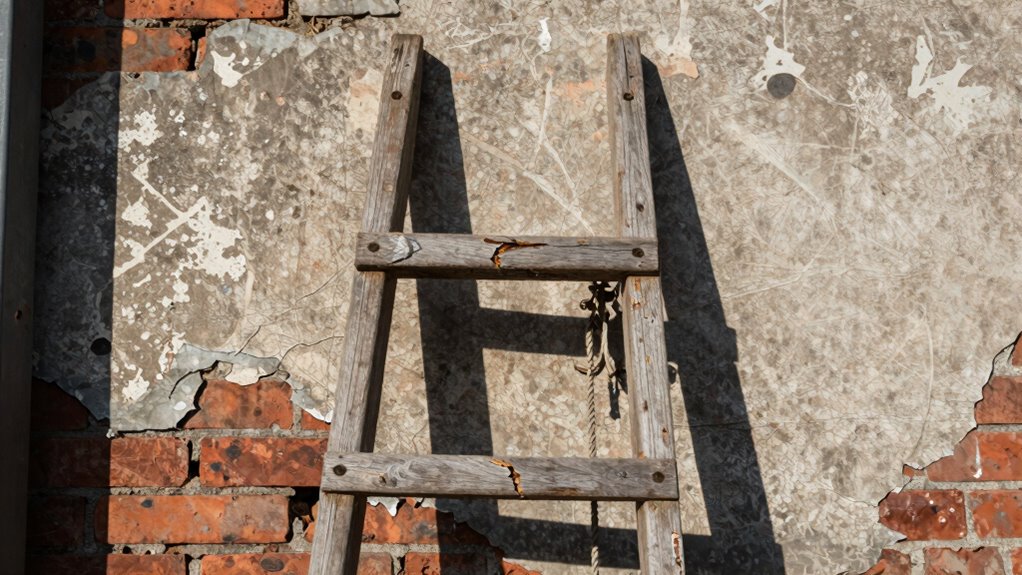

Many ladder accidents happen before you even start climbing because you overlook safety checks and proper setup. You might place the ladder on uneven ground, skip inspecting it for damage, or forget to secure it at a safe angle. Rushing or rushing to set up can cause slips, falls, or the ladder tipping over. To prevent this, you need to focus on safety steps and standards—continue to discover more ways to stay safe.

Prime made for students and young adults
- Fast, free delivery for dorm and study essentials
- Prime Video and Amazon Music included
- Member-only deals
Key Takeaways
- Inadequate preparation and failure to identify hazards lead to unsafe ladder setup.
- Rushing the setup process increases the risk of slips, trips, and improper placement.
- Neglecting equipment inspection can result in unnoticed damages or defects.
- Using the wrong ladder type or exceeding weight limits compromises stability.
- Skipping safety checks and standard procedures increases the likelihood of structural failure.
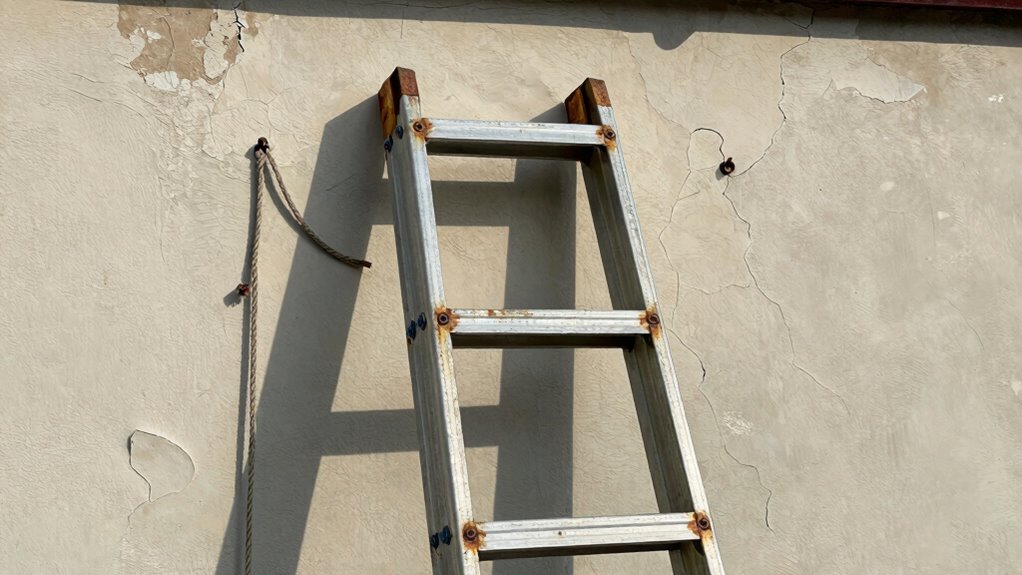
Many accidents happen before you even step onto a ladder, often because of overlooked preparations or careless decisions. It’s easy to focus solely on the task at hand and forget that safety begins long before you reach the first rung. One of the most critical steps you can take to prevent mishaps is adhering to proper safety precautions. These precautions include making sure the ladder is placed on a stable, level surface and that the area around it is clear of debris, tools, or other hazards. Ignoring these basics can lead to slips, falls, or the ladder tipping over even before you’ve begun climbing.
Equally important is conducting a thorough equipment inspection before each use. Never assume a ladder is safe just because it looks fine from a distance. You should check for any signs of damage, such as cracks, bent rungs, or corrosion, especially if the ladder has been stored for a while or exposed to the elements. Pay close attention to the ladder’s feet, making sure they’re intact and provide good traction. If you notice any defects or weaknesses during your inspection, replace or repair the ladder before using it. Using compromised equipment greatly increases the risk of accidents. Additionally, understanding industry safety standards can help you identify what to look for during inspections.
You also need to make certain that the ladder’s locking mechanisms and hinges are functioning properly. If they don’t securely hold the ladder in place, it can collapse or shift during use. Take the time to test these parts to confirm they’re working as intended. When setting up, double-check that the angle of the ladder is correct—about 75 degrees—so it doesn’t slip or topple sideways. Using the right ladder for the job is essential, too; don’t try to stretch beyond its weight limit or height capacity. Overloading it can cause structural failure, leading to dangerous falls. Recognizing proper setup procedures is vital for maintaining stability and safety during use.
Many overlook these preparatory steps, thinking they’re minor or time-consuming. But the truth is, skipping safety precautions or neglecting equipment inspection is a quick way to invite accidents. Establish a routine of inspecting your ladder thoroughly, setting it up on a stable surface, and confirming all safety features are intact. Paying attention to ladder safety standards and best practices can significantly reduce the risk of incidents. Additionally, understanding industry safety protocols can help you identify potential hazards before they become accidents. When you give attention to these details beforehand, you’re not just protecting yourself—you’re also ensuring the job gets done safely and efficiently. Remember, a safe start is the best way to prevent mishaps once you actually begin climbing.
Frequently Asked Questions
How Do I Choose the Right Ladder for a Task?
To choose the right ladder for a task, consider ladder stability first—make sure it has non-slip feet and proper weight capacity. Next, evaluate material selection; fiberglass is safe around electricity, while aluminum is lightweight but conductive. Think about the height you need, and select a ladder that extends comfortably without overreaching. Always inspect for damage and stability before use. Picking the right ladder ensures safety and efficiency on your project.
What Are Common Beginner Mistakes With Ladders?
As a beginner, you often make mistakes like improper ladder positioning, which can cause slips or falls. You might also overlook the weight capacity, risking overloading the ladder and losing stability. Always guarantee the ladder is set at the correct angle and on a stable surface. Check the weight capacity to match your tools and body weight. Avoid rushing, and double-check all safety measures before climbing.
How Should I Inspect a Ladder Before Use?
Before using a ladder, you should inspect its ladder material for any damage, such as cracks or corrosion. Check the weight capacity to make sure it can support your weight plus tools or materials. Examine the rungs for stability and look for any loose or missing components. Also, verify that the feet are clean and slip-resistant. A thorough inspection helps prevent accidents and guarantees safe, effective use of the ladder.
What Safety Gear Is Recommended When Using a Ladder?
When using a ladder, you should wear proper footwear with slip-resistant soles to prevent falls. Additionally, if you’re working at height or for extended periods, a safety harness provides extra protection in case of slips. Always guarantee your footwear is secure and in good condition, and attach your harness properly to a stable anchor point. These safety measures help minimize risks and keep you secure during your climb.
How Often Should Ladders Be Maintained or Replaced?
You should inspect and maintain your ladder regularly, ideally following a maintenance schedule every three to six months. Check the ladder material—wood, aluminum, or fiberglass—for cracks, corrosion, or damage. Replace it if you notice significant wear, compromised stability, or missing parts. Proper maintenance extends your ladder’s lifespan and keeps you safe during use. Always follow manufacturer recommendations to guarantee your ladder remains reliable and secure for your tasks.
Conclusion
So, before you even step onto that ladder, ask yourself: are you truly prepared? Skipping safety checks or rushing the setup can turn your climb into a dangerous fall. Remember, the accident isn’t just about the height; it’s about the habits you form beforehand. Are you willing to risk it all just because you didn’t take a moment to prepare? Stay cautious, stay safe — your life’s worth the extra minute.
Fall Picks
fall essentials
As an affiliate, we earn on qualifying purchases.