
Hot pavement absorbs and traps heat, making it dangerously hot for your pet’s paws, often over 140°F during summer. It acts like a heat sink, soaking up sunlight and radiating heat long after the sun sets. To keep your pet safe, check pavement temperature, use paw protection, and walk during cooler times. If you want practical tips on avoiding burns and keeping your pet comfortable, you’ll find helpful advice below.
Key Takeaways
- Pavement heats up above 140°F, risking burns to pets’ paw pads during hot weather.
- Check pavement temperature by placing your hand on the surface; if it’s too hot for your hand, it’s unsafe for paws.
- Use paw protection like booties or paw wax to prevent burns during outdoor walks in high temperatures.
- Walk pets early mornings or late evenings when pavement is cooler to reduce risk of heat-related injuries.
- Prioritize indoor activities and shaded outdoor options to keep pets safe and comfortable in extreme heat.

Snugrance Dog Paw Wound Recovery Boot, Lick-Proof Protection, Non-Slip Pet Shoe with Self-Adhesive Strap, Soft Protector for Medium to Large Dogs, 2PCS (L)
Professional Use: This product supports post-surgery recovery, discourages licking behavior wet paws and feet, and effectively protects their…
As an affiliate, we earn on qualifying purchases.
As an affiliate, we earn on qualifying purchases.
Why Does Pavement Heat Up So Much?

Pavement heats up quickly because it absorbs sunlight more efficiently than natural surfaces like grass or dirt. This absorption happens through infrared radiation, which transfers solar energy into the material. Once heated, pavement retains this heat longer due to its heat retention properties, making it dangerously hot during summer days. Darker asphalt surfaces, in particular, absorb more sunlight and radiate infrared energy, causing temperatures to soar. Unlike natural ground, which reflects some sunlight, pavement acts like a heat sink, trapping and holding warmth. This combination of infrared radiation absorption and heat retention results in pavement reaching extreme temperatures, often well above the air temperature, posing risks to pets that walk or lie on it during peak heat hours. European cloud infrastructure plays a role in providing sustainable and energy-efficient solutions for monitoring and managing urban heat effects.

Musher's Secret Dog Paw Wax 60g – Moisturizing Dog Paw Balm – Helps Protect & Heals Cracked Paws – Creates an Invisible Paw Protectors Barrier – All-Natural Nose & Paw Balm with Vitamin E
SAFE AND ALL-NATURAL – Made from food-safe oils and waxes, our paw balm is a must-have for dog…
As an affiliate, we earn on qualifying purchases.
As an affiliate, we earn on qualifying purchases.
How Hot Can Pavement Get During Summer?

During hot summer days, pavement can reach temperatures well above the air temperature, sometimes soaring to 140°F (60°C) or higher. Urban heat and limited pavement insulation cause surfaces to absorb and retain intense heat. This effect is amplified in cities with dense concrete and asphalt, where the heat is trapped, making pavements even hotter. Such high temperatures pose a serious risk to pets walking on these surfaces, as their paw pads can burn quickly. The lack of pavement insulation prevents heat from dissipating, keeping surfaces dangerously hot for hours. Recognizing how hot pavement can get helps you understand the importance of avoiding walks during peak heat hours and sticking to shaded, cooler areas to keep your pet safe. Additionally, understanding Gold IRA markets can help pet owners plan their investments wisely while prioritizing safety.
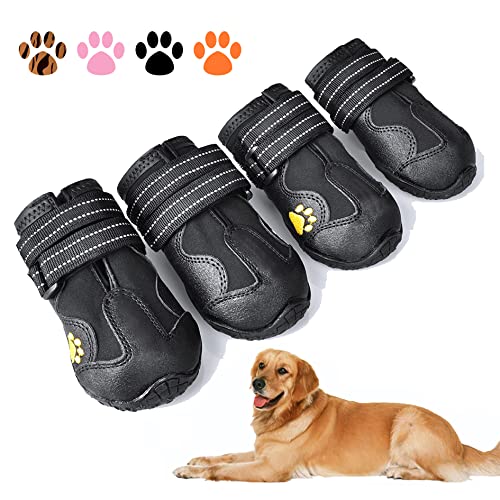
XSY&G Dog Boots,Waterproof Dog Shoes,Dog Booties with Reflective Rugged Anti-Slip Sole and Skid-Proof,Outdoor Dog Shoes for Medium to Large Dogs 4Pcs-Size7
【Size】Size 7:(3.1''x2.7'')(L*W) for 66-90 lbs.Great for Medium Golden Retriever;Large Samoyed;German Shepherd;Labrador etc.Please refer to the picture size chart,You…
As an affiliate, we earn on qualifying purchases.
As an affiliate, we earn on qualifying purchases.
What Are the Signs Your Pet Is Overheated or Burned?
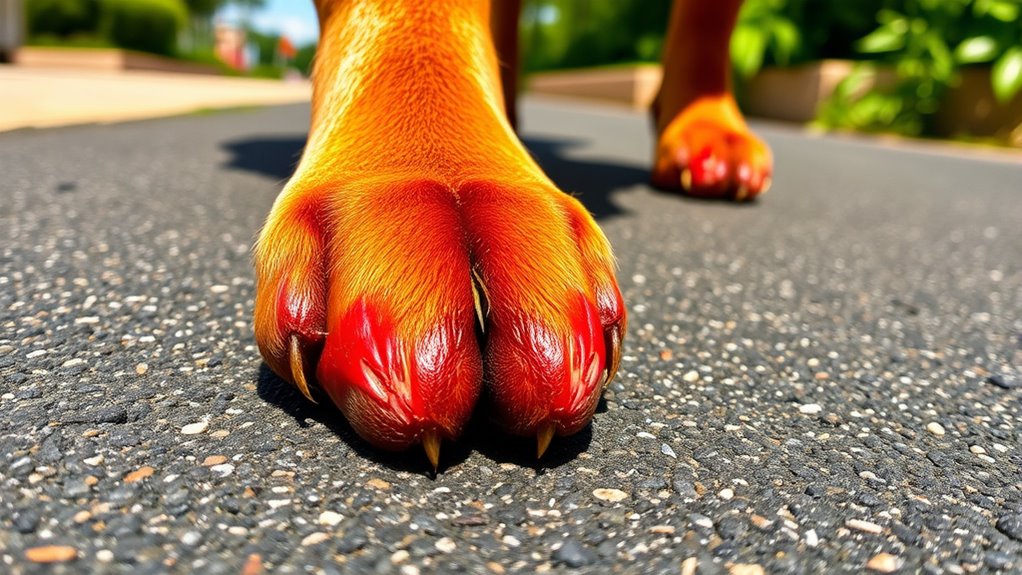
When your pet shows signs of overheating or burns, it’s a clear warning that they’re in danger. Recognizing overheating symptoms can save their life. Watch for excessive panting, drooling, and weakness. Paw pad burns may cause your pet to lick or favor their paws, and their paw pads might appear red or blistered. Other signs include rapid heartbeat, trembling, or disorientation. You might notice your pet seeking cool surfaces or refusing to walk. If you see these symptoms, act quickly to cool them down and seek veterinary help. Ignoring these signs can lead to heatstroke or severe burns. Be vigilant, especially during hot days, and always check for paw pad burns after outdoor walks in high temperatures. Your quick response can make all the difference. Understanding water quality can also help prevent health issues related to environmental heat exposure.

Mindpet-med Non-Contact Pet Thermometer for Dogs, Classic, Fast Clinical, 3 Modes (Body, Object Surface, Room), Body Modes Accurately Measure Pet Ear Temperature, Muteable C/F Switchable
【Non-contact pet infrared thermometer】No need to touch the dog, measuring distance is 3-5 cm, measuring position ear, abdomen…
As an affiliate, we earn on qualifying purchases.
As an affiliate, we earn on qualifying purchases.
How Can You Walk Safely With Your Dog on Hot Pavement?
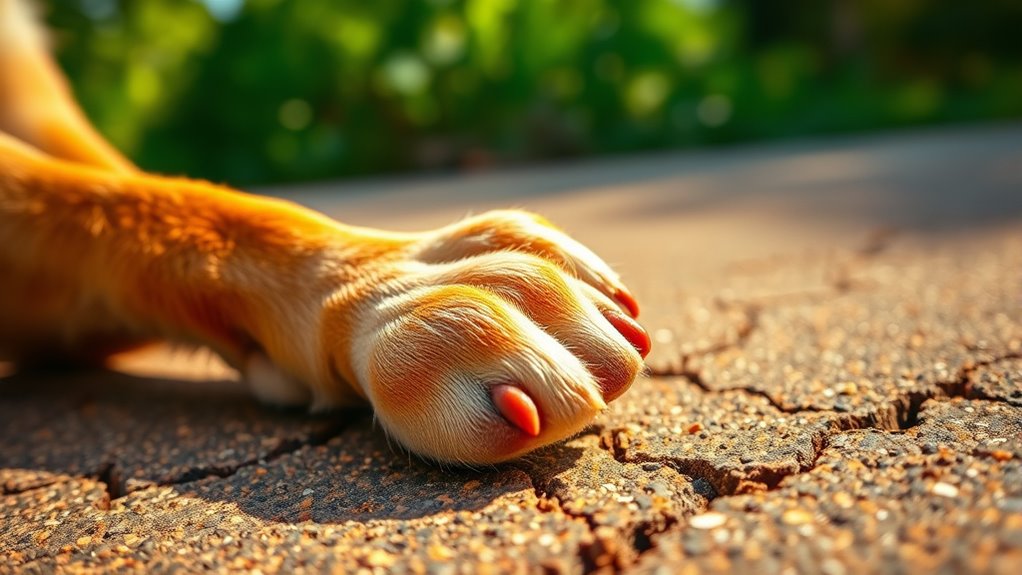
Walking your dog on hot pavement requires careful attention to their safety. Always use a secure leash to maintain control and prevent sudden pulls that could cause injury. Before heading out, check the pavement temperature by placing your hand on the surface for a few seconds; if it’s too hot for your hand, it’s too hot for your dog’s paws. To protect their paws, consider using booties or applying paw wax to create a barrier against burns. Walk during cooler times of the day, such as early morning or late evening, when asphalt temperatures are lower. Keep your dog close and monitor their behavior for signs of discomfort. Proper air purifier maintenance can help improve indoor air quality and reduce outdoor pollutants that might affect your pet’s health. By prioritizing leash safety and paw protection, you help ensure your walk remains safe and enjoyable for both of you.
What Are Better Ways to Keep Your Pets Active in Hot Weather?

To keep your pets active and healthy in hot weather, consider switching to indoor activities that prevent overheating. Indoor exercises are a great way to burn energy without risking heat exhaustion. You can play fetch in a cool, shaded space or set up obstacle courses inside. If you prefer outdoor activities, try backyard games early in the morning or late in the evening when it’s cooler. Keep your pets engaged with puzzle toys or training sessions indoors to stimulate their minds. Incorporating these strategies helps maintain their activity levels safely. Remember, avoiding the heat and providing shaded, cool areas is vital for pet health during hot weather. Staying active indoors or during cooler parts of the day keeps your pets happy and safe. Proper ventilation is also essential to ensure indoor spaces stay cool and comfortable for your pets.
Frequently Asked Questions
How Can I Test Pavement Temperature Before Walking My Pet?
You can test pavement temperature by placing the back of your hand on the surface for about 5 seconds; if it’s too hot to hold, it’s unsafe for your pet. To verify safety, check pavement cooling early in the day or later in the evening when temperatures drop. Avoid walking during the hottest hours, and always look for shaded or grassy areas to keep your pet comfortable and safe.
Are Certain Pavement Materials More Dangerous for Pets?
Some pavement materials can pose more risks for your pet, especially those with high thermal conductivity like asphalt. These materials absorb and retain heat longer, making them more dangerous during warm days. Concrete and brick typically stay cooler and are gentler under paws. To keep your pet safe, always check pavement temperature and avoid walking on hot surfaces, particularly with asphalt, which can lead to burns and discomfort.
What Footwear Can Protect My Pet’s Paws From Heat?
You can protect your pet’s paws from heat with specialized pet footwear designed for paw protection. Look for lightweight, breathable shoes that fit snugly without causing discomfort. Pet footwear helps shield paws from hot pavement, preventing burns and injuries. Always check the temperature before walks, and choose paw protection that offers good traction. This way, your furry friend stays safe and comfortable during outdoor adventures in hot weather.
How Long Should I Wait After a Heatwave to Walk My Pet?
You should wait at least a full day after a heatwave before walking your pet. The pavement can stay scorching, causing serious paw pad protection issues and increasing heatstroke risks. Even if it looks cool, the ground may still be dangerously hot. Give your furry friend time to cool down, ensuring their safety and comfort, and only walk when the pavement’s temperature is safe enough for sensitive paws.
Can Shaded Pavement Still Be Harmful to Pets?
Shaded pavement can still be harmful to your pets because pavement reflection can trap heat, making shaded areas unsafe. Even if it looks cooler, the reflected heat can burn their paws or cause overheating. Always check the pavement’s temperature with your hand before walks, and prioritize shaded area safety by avoiding pavement during peak heat. Keep walks early morning or late evening when temperatures are lower for your pet’s safety.
Conclusion
Remember, while the pavement blazes like a fiery oven beneath your feet, your pet’s safety is your top priority. Striding confidently on scorching streets might seem normal, but it can burn paws and cause overheating. As the sun beats down, choose shaded paths and early mornings to keep your furry friend cool. Protect them from the heat’s harsh reality—because a gentle walk can be a invigorating oasis amidst the sizzling pavement’s relentless glare.