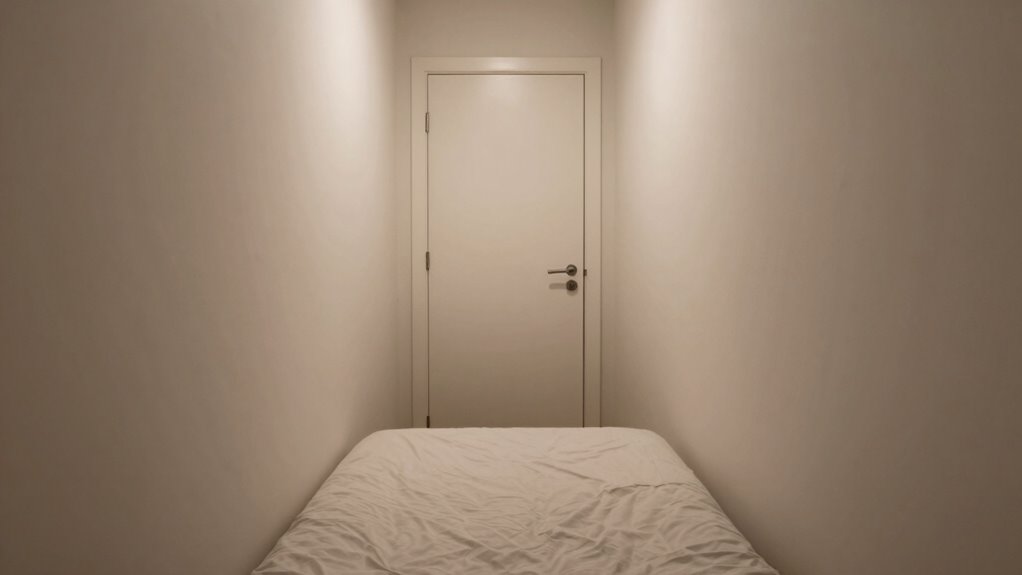

The “One Exit” trap in bedroom layouts limits escape routes, affects privacy, and creates a cramped, cluttered feel. It happens because traditional designs prioritize space or privacy over multiple exits, which can make your room feel closed off and less safe during emergencies. To break free, smart furniture placement, light colors, and mirrors help open up your space. Keep exploring for simple tips to make your bedroom feel more spacious and functional.
Key Takeaways
- The “One Exit” trap limits escape routes, compromising safety during emergencies.
- It restricts room layout flexibility, reducing furniture placement options and overall functionality.
- Having only one exit can create a cramped, cluttered environment affecting comfort and privacy.
- Traditional design practices often prioritize maximizing floor space over adding multiple exits.
- Incorporating additional egress options enhances security, openness, and a sense of spaciousness in bedrooms.

Exit Door Alarm with 110dB Siren, Emergency Exit Security Device, Easy Installation, Battery Powered, Magnetic Sensor for Unauthorized Entry Prevention, Home, Warehouse, Office, Retail Use
Loud 110dB Alert System: Instantly alerts you to any unauthorized exits or entries with a piercing 110dB siren—perfect…
As an affiliate, we earn on qualifying purchases.
As an affiliate, we earn on qualifying purchases.
What Is the “One Exit” Trap and Why Should You Care?

Have you ever considered how the layout of your bedroom could impact your safety and comfort? The “one exit” trap occurs when your room’s design limits you to a single escape route, affecting space optimization and safety. This layout can make your room feel cramped, reducing usable space and creating a cluttered environment. More importantly, it disrupts the privacy balance, making it harder to create a secure, restful retreat. If an emergency arises, having only one exit can be dangerous, increasing risk and stress. By understanding this trap, you can plan your bedroom layout more effectively—aiming for multiple exits or clear pathways that maintain both privacy and safety. Incorporating safe egress options can enhance both security and comfort in your space. It’s about designing a space that’s functional, secure, and comfortable.

Pxolerig RV Exit Window 30" W x 22" H – Ultra Thick Tempered Glass Camper Emergency Window with Trim Kit for 1-3/4’’ Wall Thickness, Easy Installation, Safe Exit and Weather-Resistant
𝗗𝘂𝗿𝗮𝗯𝗹𝗲: our rv emergency exit window are manufactured with tempered glass to ensure superior durability and strong resistance…
As an affiliate, we earn on qualifying purchases.
As an affiliate, we earn on qualifying purchases.
Why Do Bedrooms Often Have Limited Exits?

Bedrooms often feature limited exits due to traditional construction practices and space constraints. Architectural constraints often prioritize maximizing floor space over multiple egress options, while privacy concerns lead designers to restrict door placements. This combination results in fewer exits, making the space feel more enclosed. Additionally, ventilation considerations often influence the placement and number of doors, further limiting exit options.
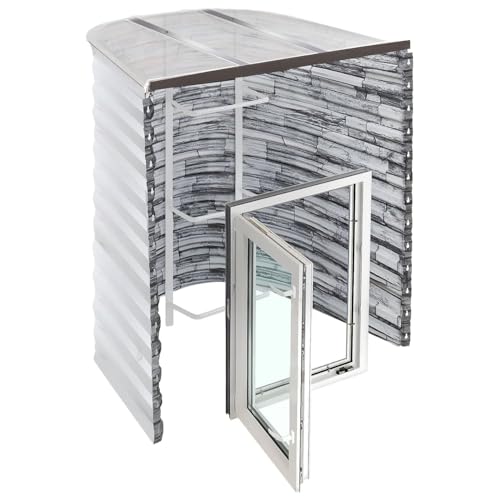
Window Well Supply Egress Window Well Kit – Complete Basement Egress Window Kit – Includes Argon-Filled Basement Windows, Window Well, Egress Ladder, Window Well Cover – Stoneview, 42"L x 36"W x 48"D
Heavy-Duty Steel Construction: The Tuffwell window well is built from 19-gauge steel with a special corrugated design, making…
As an affiliate, we earn on qualifying purchases.
As an affiliate, we earn on qualifying purchases.
How Does a Single Exit Affect Your Room’s Feel and Function?

A single exit in your room considerably influences how it feels and functions. It can make the space seem more confined, limiting your options for furniture placement and flow. With limited access points, you might find it harder to optimize floor space, leading to cluttered corners or awkward layouts. Privacy considerations also come into play, as a single exit can create bottlenecks, making it difficult to maintain a sense of seclusion. When you have only one way in or out, it’s easier for noise or activity from outside to intrude on your privacy. Additionally, this setup can make the room feel less open and more restrictive, affecting your overall comfort and usability. Room layout limitations are a key factor that can impact both the functionality and the feeling of the space.

Yaheetech Small Comfy Sofa Mini Loveseat Couch 2-Seater Armless Sofa Chair, Corduroy Fabric & Easy Assembly, for Small Spaces Living Room,Bedroom,Dorm,Office, Dark Grey
Cozy & Steady Experience: The soft corduroy cover with foam padding provides a cozy feel. Supported by a…
As an affiliate, we earn on qualifying purchases.
As an affiliate, we earn on qualifying purchases.
Smart Design Tips to Break Free From the “One Exit” Trap

To overcome the limitations of a single exit, smart design strategies can open up your space and improve flow. Focus on furniture placement to create a sense of openness—avoid blocking pathways or placing large pieces near the door. Instead, position furniture along walls to enhance movement and avoid congestion. Use color schemes strategically; lighter, neutral tones reflect more light and make the room feel larger, while accent walls can add visual interest without overwhelming the space. Incorporate mirrors to reflect light and create the illusion of depth, further breaking the sense of confinement. Additionally, integrating innovative cloud-based solutions can help optimize space planning and organization through smart home technology, making the room feel more spacious and functional. By thoughtfully arranging furniture and choosing the right colors, you can transform your bedroom into a more open, inviting environment that doesn’t feel restricted by its single exit.
Simple Ways to Make Your Bedroom Feel More Open and Flowing

By applying simple adjustments, you can considerably enhance the sense of openness and flow in your bedroom. Start with strategic lighting strategies—use layered lighting to brighten corners and eliminate shadows, making the space feel larger. Incorporate decorative accents thoughtfully; choose minimal, streamlined accessories that don’t clutter surfaces. Keep clutter out of sight to maintain a clean, airy feel. To further open up your room, consider these tips:
- Use light-colored bedding and walls to reflect more light.
- Opt for furniture with legs to create a sense of space underneath.
- Hang mirrors to bounce light and visually expand the room.
- Pay attention to contrast ratios in your lighting and decor choices to improve perceived depth and clarity.
These small changes can transform your bedroom into a more inviting, flowing sanctuary.
Frequently Asked Questions
Can a Single Exit Impact Room Safety During Emergencies?
Yes, having a single exit can impact your room’s safety during emergencies. It limits your emergency egress options if fire or other hazards block that exit, making escape more difficult. This setup can compromise fire safety, as quick and easy escape routes are essential. To guarantee safety, it’s best to have multiple exits or alternative egress points, so you’re better protected during emergencies.
Are There Specific Room Sizes That Tend to Have Only One Exit?
You might think small rooms always have only one exit, but that’s not true—room size and exit placement matter. Generally, smaller bedrooms under 70 square feet often have just one exit, especially if designed with limited space. Larger rooms, however, usually include multiple exits for safety and convenience. Paying attention to exit placement guarantees safe egress during emergencies, regardless of room size, so plan your layout thoughtfully.
How Does the “One Exit” Trap Influence Room Resale Value?
The “one exit” trap can lower your room’s resale value because it limits options for window placement and hampers interior flow. Buyers often seek bedrooms with multiple exits for safety and flexibility. When your room has only one door, it might seem less functional and less appealing, making it harder to attract buyers and potentially reducing your home’s overall value. Improving layout and adding windows can boost desirability.
What Are Common Mistakes in Avoiding the “One Exit” Trap?
You often make the mistake of ignoring alternative exit strategies when designing a bedroom. For example, a homeowner planned a layout with only one door, limiting airflow and emergency access. To avoid the “one exit” trap, consider layout considerations like adding a second exit or window, which improves safety and flexibility. Always evaluate your space’s exit strategies early, ensuring the room remains functional, safe, and appealing for resale.
Is It Possible to Add an Extra Exit Without Major Renovations?
Yes, you can add an extra exit without major renovations by carefully adjusting window placement and door configurations. You might install a new door leading to an outdoor space or reposition existing doors to create an emergency exit. Ensuring proper window placement with egress windows can also serve as an additional escape route. Just make sure to follow local building codes to guarantee safety and compliance.
Conclusion
Breaking free from the “one exit” trap transforms your bedroom into a more inviting, functional space. By adding extra openings or clever layouts, you’ll enjoy better airflow, improved flow, and a sense of openness that even a seasoned Victorian would envy. Don’t let your room feel like a forgotten corner of the manor—embrace these simple design tips and turn it into a sanctuary where you truly feel at ease. After all, who wants a space that’s more dungeon than dream home?