
To prevent slugs, aphids, and other soft pests, focus on controlling environmental conditions they favor, such as high humidity and limited airflow. Maintain good garden hygiene by removing weeds, debris, and excessive moisture, and use natural methods like companion planting and beneficial insects. Proper crop rotation and habitat management also disrupt pest life cycles. By understanding these strategies, you’ll discover effective ways to keep pests at bay and keep your garden healthy.
Key Takeaways
- Maintain proper soil moisture and avoid overwatering to reduce slug and soft pest habitats.
- Enhance airflow around plants through proper spacing and pruning to inhibit pest development.
- Use crop rotation and habitat diversification to disrupt pest life cycles and prevent infestations.
- Implement natural barriers like copper strips or diatomaceous earth to mechanically deter slugs and soft pests.
- Introduce beneficial insects such as ladybugs and nematodes for biological control of aphids and other soft pests.

HARRIS Diatomaceous Earth Food Grade, 4lb with Powder Duster Included in The Bag
Natural Product – Composed of 4lbs of 100% ground freshwater diatomaceous earth with absolutely no additives or fillers.
As an affiliate, we earn on qualifying purchases.
As an affiliate, we earn on qualifying purchases.
What Are Soft Pests and How Do They Live?
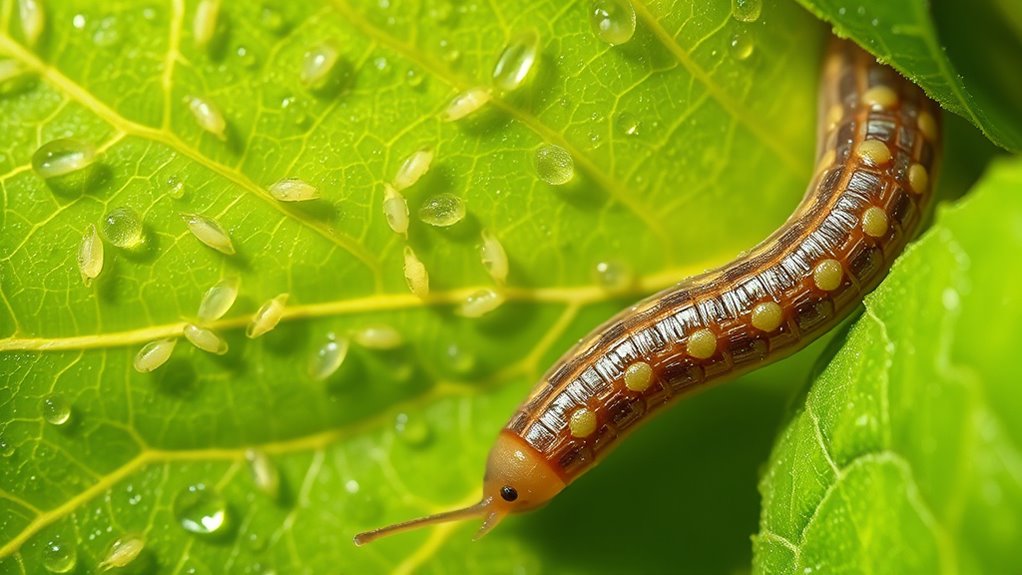
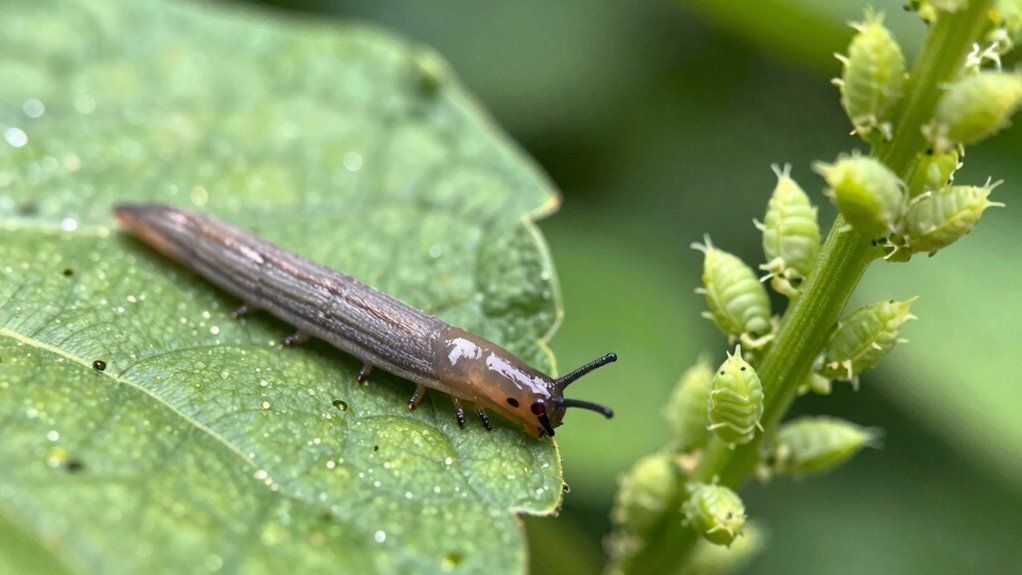
Soft pests are small, often translucent insects that feed on plants, crops, or stored products. Their soft pest biology means they lack hard exoskeletons, making them flexible and quick to reproduce. You’ll find these pests thriving in moist, sheltered pest habitats, such as under leaves, in soil, or within stored food containers. They often hide in places where humidity is high and airflow is limited, which helps them survive and reproduce rapidly. Understanding their biology and preferred habitats helps you target their presence effectively. These pests are usually visible to the naked eye, and their feeding can cause damage or spoilage. Recognizing where they live and how they behave is vital for implementing successful prevention strategies. Proper identification of soft pests is essential for choosing the most effective control methods.

NaturesGoodGuys Beneficial Nematodes Triple Blend Pack HB+SC+SF – General Biological Pest Control (10 Million)
Beneficial nematodes species: HB + SC + SF
As an affiliate, we earn on qualifying purchases.
As an affiliate, we earn on qualifying purchases.
What Environmental Conditions Favor These Pests?
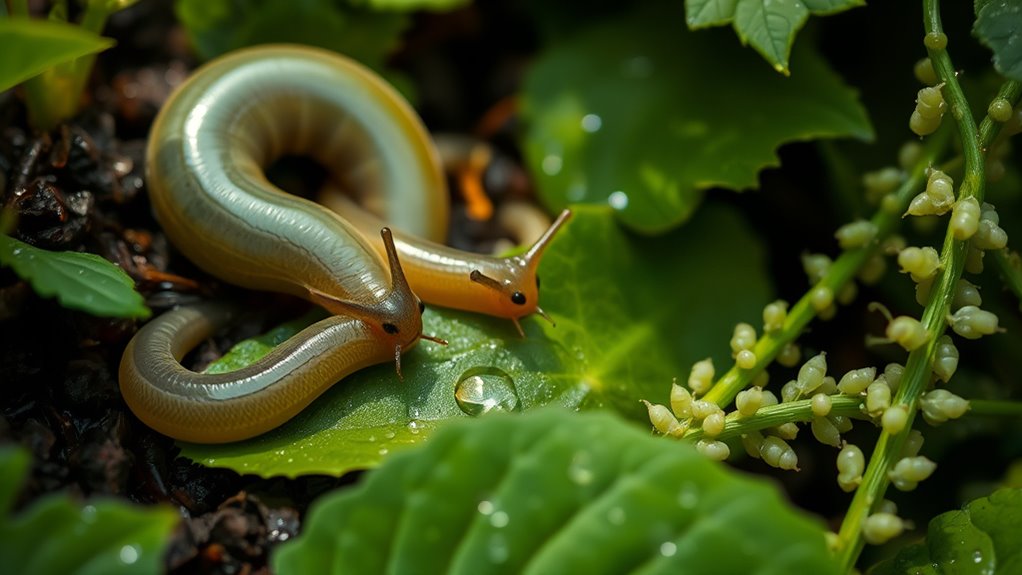
These pests thrive in environments with high humidity and limited airflow, which create ideal conditions for their survival and reproduction. Too much moisture encourages soft pests like slugs and aphids to flourish. To reduce their impact, you can use pest resistant plants that are less attractive or more tolerant to these pests. Proper soil moisture management is also vital; avoid overwatering, as damp soil invites pests. Good airflow helps dry out plant surfaces and soil, making conditions less inviting for soft pests. Keep your garden well-ventilated and monitor humidity levels regularly. Ensuring optimal air circulation can significantly decrease pest development. By controlling moisture and selecting resistant plants, you create an environment less conducive to pest infestations, reducing the need for chemical interventions and promoting healthier, resilient plants.
![Kraftex Copper Tape [2 Inch x 33ft]. Conductive Adhesive use as Copper Tape for Slugs, Copper Shielding Tape for Guitars, Faraday Tape or Copper Flashing roll.](https://m.media-amazon.com/images/I/41Bg-TS3VKL._SL500_.jpg)
Kraftex Copper Tape [2 Inch x 33ft]. Conductive Adhesive use as Copper Tape for Slugs, Copper Shielding Tape for Guitars, Faraday Tape or Copper Flashing roll.
Molluscs and More: Copper tape is a great way to keep those pesky slugs away from your garden…
As an affiliate, we earn on qualifying purchases.
As an affiliate, we earn on qualifying purchases.
How Can You Prevent Soft Pests Before They Start?
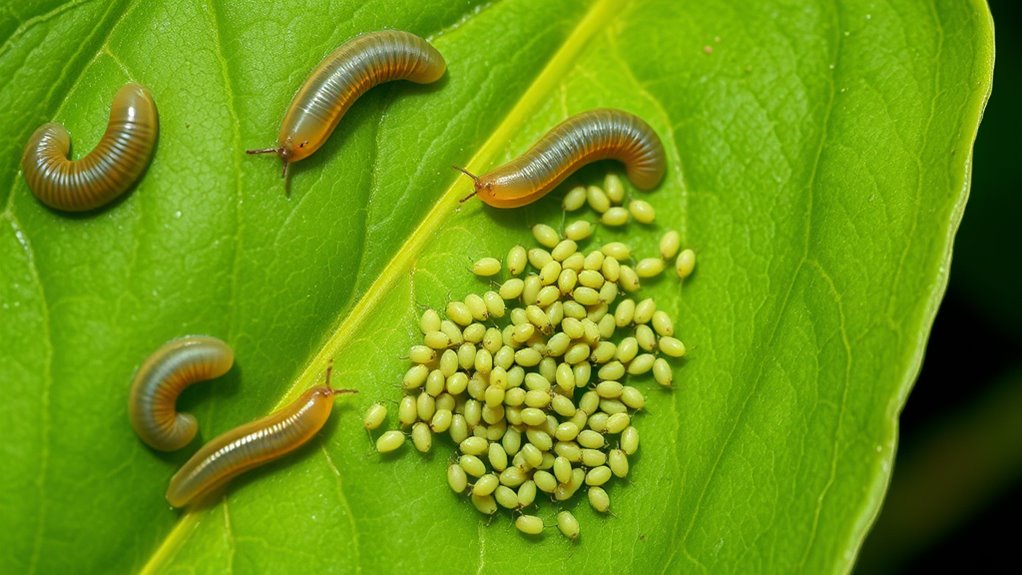
Preventing soft pests starts with proactive garden management. One effective strategy is crop rotation, which disrupts pest life cycles by changing plant families each season. This prevents pests like aphids and slugs from establishing a foothold. Additionally, habitat diversification helps create a less inviting environment for pests. Plant a variety of species and avoid monocultures, reducing the chances of soft pests settling in your garden. Keep your garden tidy by removing debris and weeds that can serve as hiding spots. Proper spacing improves airflow, making conditions less favorable for pests. Ultimately, a diverse and well-managed garden minimizes pest attraction and encourages natural resistance, helping you keep soft pests at bay before they even start. Implementing the principle of diversity in your garden design further enhances these protective effects by promoting ecological balance.

Mighty Mint Peppermint Oil Plant Protection Spray – Insect & Pest Control for Gnats, Spider Mites & Aphids – Plant-Based, Easy-to-Use – 16 oz
Plant-Based Pest Protection: Helps protect plants from common pests including gnats, spider mites, aphids, fungus issues, and other…
As an affiliate, we earn on qualifying purchases.
As an affiliate, we earn on qualifying purchases.
What Natural and Mechanical Ways Help Control Pests?
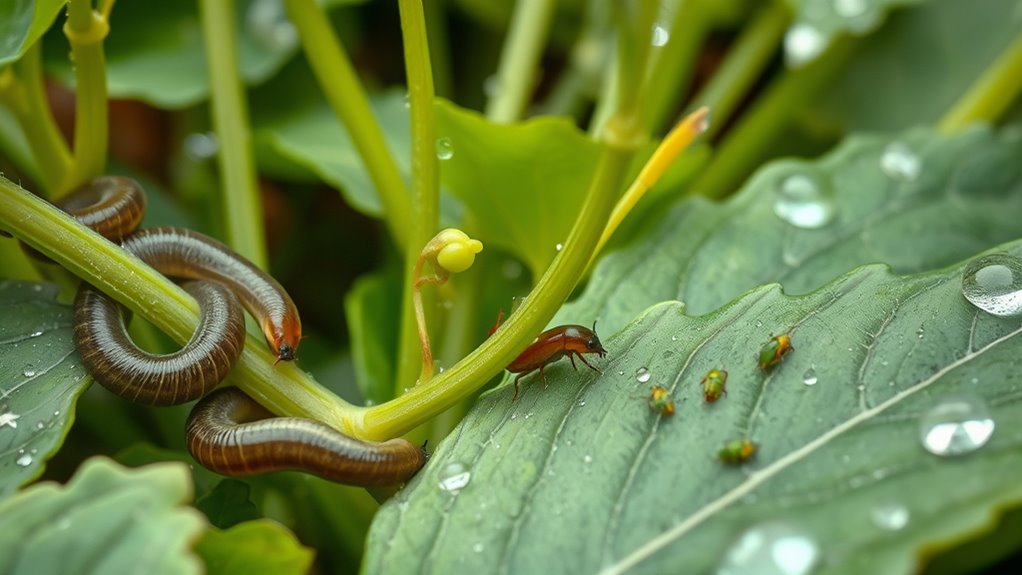
Implementing natural and mechanical pest control methods offers an effective way to protect your garden without relying solely on chemical treatments. You can harness companion planting to deter pests—plant marigolds near tomatoes to repel aphids or basil to keep slugs away. Biological controls introduce beneficial insects that naturally reduce pest populations, such as ladybugs for aphids or nematodes for soil-borne pests. Mechanical methods also play a role—handpick slugs at night, create barriers with row covers, or use traps to catch pests early. These approaches not only safeguard your plants but also foster a balanced, healthy garden ecosystem. According to recent trends in sustainable practices, integrating pest management can enhance control efficiency and reduce chemical use. By combining these strategies, you’ll create an environment where pests are less likely to thrive, giving your garden a fighting chance to flourish naturally.
How Does Integrated Pest Management Keep Pests at Bay?
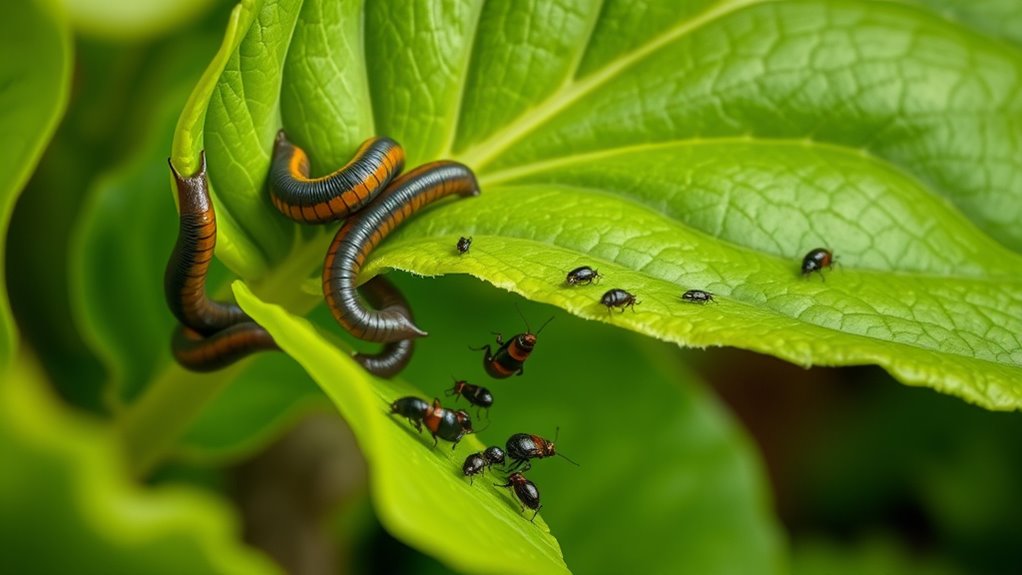
Ever wonder how gardeners keep pests in check without over-relying on chemicals? That’s where integrated pest management (IPM) comes in. IPM combines strategies like pest monitoring and crop rotation to reduce pest populations naturally. Pest monitoring helps you identify issues early, so you can act before pests cause serious damage. Crop rotation interrupts pest life cycles, making it harder for them to survive and reproduce. Here’s a quick overview:
| Strategy | Purpose | Example |
|---|---|---|
| Pest Monitoring | Detect pests early | Regular inspections |
| Crop Rotation | Break pest cycles | Changing planting areas |
| Biological Control | Use natural predators or enemies | Introducing ladybugs |
Together, these methods keep pests at bay sustainably, aligning with reconditioning principles that promote durability and environmental responsibility.
Frequently Asked Questions
How Do Soft Pests Affect Plant Health Long-Term?
Soft pests can weaken your plants over time by feeding on sap and tissues, leading to stunted growth and increased vulnerability to diseases. Long-term, this damage can reduce yields and overall plant health. To manage them, you might use biological control methods like beneficial insects or apply chemical treatments carefully. Consistent prevention helps protect your plants from the cumulative harm these pests can cause.
Are Certain Plant Varieties More Resistant to Soft Pests?
Yes, certain plant varieties show more resistance to soft pests due to specific pest breeding traits and plant variety resistance. You can choose plants with thicker leaves, hairy surfaces, or natural chemical defenses that deter pests. By selecting resistant varieties, you reduce the need for chemical treatments and improve your garden’s long-term health. Always research and opt for plants known for their pest resistance traits to make your gardening efforts more effective.
What Signs Indicate a Soft Pest Infestation Early?
You’ll notice early signs of a soft pest infestation through distorted or yellowing leaves, sticky residue, or tiny crawling insects. Keep an eye out for unusual plant behavior. Using biological control methods, like introducing natural predators, supports an integrated pest management approach. Regular monitoring helps catch issues early, preventing serious damage. Acting quickly guarantees you can manage pests effectively, maintaining healthy plants without relying solely on chemical treatments.
Can Indoor Environments Be Prone to Soft Pests?
Yes, indoor environments can be prone to soft pests, especially if soil moisture and indoor humidity levels are high. These pests thrive in damp, humid conditions, so if you notice wilting plants, sticky residues, or tiny insects on your houseplants, it’s a sign of an infestation. To prevent this, monitor soil moisture carefully, avoid overwatering, and keep humidity levels balanced to create an environment less inviting for soft pests.
How Do Seasonal Changes Influence Pest Populations?
Seasonal changes markedly influence pest populations by triggering seasonal adaptations and affecting pest migration patterns. As temperatures rise or fall, pests either become more active or seek shelter, which impacts your garden or indoor environment. You should monitor these patterns closely, adjusting your pest prevention strategies accordingly. Be proactive during peak migration periods, and guarantee your plants and indoor spaces stay protected from soft pests that tend to thrive in changing seasons.
Conclusion
Just as Daedalus crafted his labyrinth to outwit the Minotaur, your garden needs a clever plan to keep soft pests at bay. By understanding their habits, creating unfavorable conditions, and using natural controls, you build your own mythic fortress of protection. Remember, prevention is your Ariadne’s thread—guiding you safely through the pest maze. Stay vigilant and proactive, and you’ll preserve a thriving, healthy garden where these pests never find their way in.