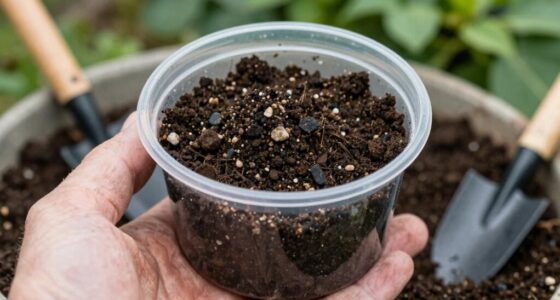
Proper airflow in your greenhouse or shed is key to keeping plants healthy and productive. It helps regulate temperature and humidity, preventing issues like mold, mildew, and pest infestations. Good air circulation also reduces heat buildup and stalls the spread of airborne diseases. Without it, your plants may become stressed or sick. Maintaining steady airflow creates a stable environment for growth, and understanding more about it can help you optimize your space even further.

Prime made for students and young adults
- Fast, free delivery for dorm and study essentials
- Prime Video and Amazon Music included
- Member-only deals
Key Takeaways
- Proper airflow regulates humidity, reducing mold, mildew, and disease risks in greenhouses and sheds.
- Good ventilation prevents pest infestations by disrupting conditions pests need to thrive.
- Air circulation removes pollutants and airborne pathogens, promoting healthier plant environments.
- Effective airflow manages temperature and heat buildup, preventing stress and dehydration in plants.
- Consistent air movement creates a stable environment, supporting plant resilience and overall health.
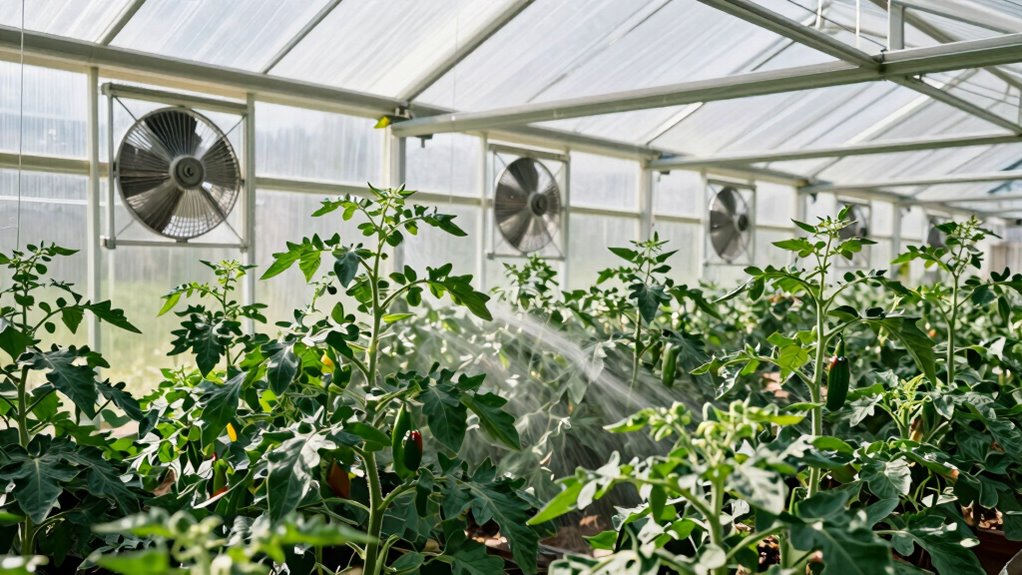
Proper airflow in greenhouses and sheds is essential for maintaining healthy plants and a comfortable environment. When your space has good ventilation, you help regulate humidity levels, which is crucial for plant health. Excess moisture can promote mold, mildew, and other diseases, while too little humidity can stress your plants and hinder growth. By ensuring proper airflow, you can keep humidity at ideal levels, reducing the risk of these problems and creating a more stable environment for your plants to thrive.
Proper airflow maintains healthy, thriving plants by balancing humidity and preventing mold and disease.
In addition to humidity control, airflow plays a significant role in pest prevention. Stagnant air can create a cozy environment for pests like fungus gnats, aphids, and spider mites, which prefer humid, poorly ventilated spaces. When you maintain good airflow, you disrupt the conditions pests need to flourish, making it harder for infestations to take hold. This natural pest prevention method saves you time, effort, and potential chemical treatments, leading to healthier plants without the added chemical exposure.
You might notice that when airflow is inadequate, certain areas of your greenhouse or shed become humid and stagnant, creating pockets where pests and diseases can thrive. On the other hand, proper ventilation ensures a steady exchange of air, removing excess moisture and reducing the chances that pests will find a hospitable environment. Regularly opening vents, installing exhaust fans, or using oscillating fans helps circulate air effectively. This consistent movement discourages pests and keeps your plants in a more balanced, healthy state. Additionally, air circulation can help prevent the buildup of pollutants and airborne pathogens, further promoting plant health. Good airflow also helps prevent stagnant air, which can lead to the development of harmful conditions within your space. Maintaining proper airflow can also contribute to reducing airborne pathogens, thereby supporting a healthier growing environment. Furthermore, implementing effective ventilation strategies can improve energy efficiency by reducing the need for supplemental cooling or heating.
Another benefit of good airflow is temperature regulation. Greenhouses and sheds can heat up quickly, especially during sunny days, which can cause stress to your plants. Proper ventilation helps release excess heat and maintain a steady temperature, preventing heat stress and dehydration. When your plants are in an environment with stable temperatures and humidity, they grow stronger and more resistant to pests and diseases. Moreover, adequate air movement can help prevent disease spread by reducing the likelihood of airborne pathogens settling on plant surfaces, further supporting plant health.
As an affiliate, we earn on qualifying purchases.
Frequently Asked Questions
How Does Airflow Affect Pest Control in Greenhouses?
Airflow plays a vital role in pest control by reducing pest migration and promoting better air circulation. When you improve airflow, pests find it harder to settle and spread, as strong air movement discourages their movement and breeding. Proper air circulation also helps keep the environment less favorable for pests, making your greenhouse less hospitable. By managing airflow, you create a healthier, pest-resistant space that supports your plants’ growth.
Can Poor Airflow Lead to Plant Diseases?
Poor airflow can definitely lead to plant diseases, as stagnant air creates a humid environment perfect for fungi and bacteria. Did you know that 70% of plant diseases thrive in poorly ventilated spaces? Good air circulation helps regulate humidity and temperature, reducing disease risk. By improving airflow, you support plant health, prevent mold, and guarantee your greenhouse remains a healthy environment for your plants to thrive.
What Are the Best Methods to Improve Airflow Naturally?
To improve airflow naturally, you should focus on natural ventilation and airflow enhancement. Open vents and windows strategically to promote cross-ventilation, allowing fresh air to circulate. Use roof vents or adjustable louvers to enhance air exchange, especially during warmer days. Planting tall, wind-tolerant plants outside can also direct breezes inward. Regularly cleaning and maintaining these openings ensures ideal airflow, keeping your greenhouse or shed healthy and well-ventilated.
How Often Should Ventilation Systems Be Maintained?
Picture your ventilation system as the heartbeat of your greenhouse or shed. You should check and maintain it at least every 3 to 6 months, especially the air filtration and ventilation filters. Regular maintenance keeps airflow steady, prevents dust buildup, and guarantees plants or tools stay in ideal condition. Neglecting this can cause clogs or inefficiency, risking poor air quality and unhealthy environments. Stay proactive to keep everything running smoothly.
Does Airflow Influence Humidity Levels in Sheds?
Yes, airflow greatly influences humidity levels in sheds. Proper airflow enhances humidity regulation by preventing excess moisture buildup and promoting even distribution of air. When your shed’s airflow efficiency is ideal, it helps control humidity, reducing the risk of mold and rot. You should make sure vents and fans are working well to maintain consistent airflow, which keeps humidity balanced and creates a healthier environment inside your shed.
As an affiliate, we earn on qualifying purchases.
Conclusion
You might think airflow is just about comfort, but it’s actually essential for plant health and building longevity. Some say good airflow can even boost plant growth more than fertilizers—while that’s a bit of an oversimplification, it’s not far from the truth. When you prioritize ventilation, you create a healthier environment that minimizes disease and keeps everything running smoothly. So, don’t overlook airflow; it’s the secret ingredient for thriving greenhouses and sheds.
As an affiliate, we earn on qualifying purchases.
As an affiliate, we earn on qualifying purchases.
Evergreen bestsellers Picks
bestsellers
As an affiliate, we earn on qualifying purchases.