If you’re choosing between boundary wire and GPS for your robotic lawn mower, consider how each system works. Boundary wire provides reliable, precise boundaries and is ideal for smaller or complex gardens, but requires installation. GPS offers greater flexibility and easier setup, making it great for larger areas, but consumes more battery and may be less precise near obstacles. Understanding their differences helps you pick the best fit for your yard—keep exploring to learn more about their features.
Key Takeaways
- Boundary wire systems rely on physical wires for precise yard limits, while GPS uses satellite signals for flexible navigation.
- GPS mowers offer greater adaptability to landscape changes but consume more battery power than boundary wire models.
- Boundary wire setups are more reliable in safety-critical environments due to minimal signal interference.
- GPS systems excel in larger, open spaces, reducing installation effort and providing smart, obstacle-aware navigation.
- Choice depends on yard size, layout complexity, and preference for traditional reliability versus flexible, tech-driven features.

Robotic lawn mowers are revolutionizing yard maintenance by offering a convenient and efficient way to keep your lawn tidy without manual effort. When choosing between boundary wire and GPS systems, you need to consider how each impacts your mower’s performance, especially regarding battery life and safety features. Boundary wire systems rely on a physical wire laid around your yard, creating a defined perimeter for the mower to follow. This setup ensures the mower stays within your property and avoids obstacles, but it also means your mower might spend extra energy navigating the wire’s path, affecting battery life. However, because the boundaries are fixed, the mower’s navigation is predictable, reducing the chances of it running into hazards, which enhances safety.
Boundary wire systems ensure predictable navigation and safety but may impact battery life due to extra energy use.
On the other hand, GPS-based robotic mowers use satellite signals to map and find their way around your yard. This technology offers more flexibility; you don’t need to lay a boundary wire, and the mower can adapt to changes in your landscape more easily. GPS systems often come with advanced safety features like obstacle detection and automatic stop functions, which prevent accidents if the mower encounters unexpected objects. While GPS systems typically offer smarter navigation, they may consume more battery power because they constantly communicate with satellites and process complex maps. This could mean shorter mowing sessions unless your model has a larger battery capacity. Still, many high-end GPS mowers include features like low-battery return and automatic recharging, ensuring they finish their tasks efficiently without manual intervention. Additionally, software updates can enhance the safety and efficiency of GPS systems over time.
Both systems have their advantages in terms of safety. Boundary wire setups tend to be simpler and less prone to signal interference, making them reliable in safety-critical situations. They typically feature bump sensors and emergency stop buttons, so if the mower hits an obstacle, it halts immediately. GPS mowers, however, incorporate sophisticated sensors and software that can detect obstacles before contact, adding an extra layer of safety. They also often include PIN codes or app controls to prevent unauthorized use, further safeguarding your yard.
Ultimately, your choice hinges on your yard’s size, layout, and your preference for convenience versus traditional reliability. Boundary wire systems are straightforward and dependable, especially for smaller or complex gardens where precise boundaries matter. GPS systems excel in larger, more open spaces, offering greater flexibility and smart navigation. Whichever you pick, consider how features like battery life and safety protocols fit your needs, ensuring your lawn stays well-maintained with minimal hassle.
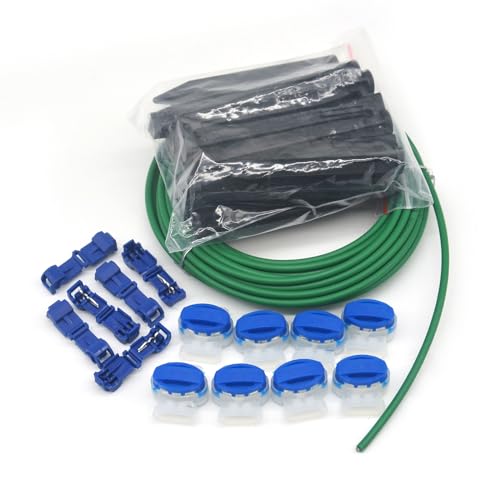
Multisland Robotic Lawnmower Boundary Wire Splice Kit Automatic Mower Boundary Wire Accessory Set, for Adapting and Repairing The Mowing Boundaries
【Premium Quality Boundary Wire】The robotic lawn mower boundary wire is made of a high-quality tin-plated copper-plated aluminium and…
As an affiliate, we earn on qualifying purchases.
As an affiliate, we earn on qualifying purchases.
Frequently Asked Questions
How Do Boundary Wire and GPS Systems Handle Complex Yard Layouts?
You’ll find that boundary wire systems handle complex yard layouts by creating a physical boundary that guides the mower precisely, even with boundary complexity. They excel at obstacle navigation, as the wire prevents the mower from entering restricted areas. GPS systems, on the other hand, use satellite signals to map your yard, which can be less effective with intricate layouts, but they’re great for adapting to changes and large, open spaces.
Can Boundary Wire or GPS Mowers Operate Seamlessly on Slopes?
Boundary wire mowers may struggle with slope navigation on steep terrains, as their terrain adaptability is limited by the wire’s placement and signal. GPS mowers generally handle slopes better because they use satellite data for precise terrain navigation, allowing for better terrain adaptability. However, extreme slopes can still challenge both systems. For ideal results, choose a mower designed specifically for uneven or hilly terrain to guarantee seamless operation.
What Maintenance Is Required for Boundary Wire and GPS Systems?
You need to regularly check the wire durability of boundary systems and repair any breaks or wear to prevent malfunctions. For GPS systems, you should calibrate the device periodically to guarantee accurate navigation. Keep the boundary wire clean and free from debris, and update GPS software as needed. Proper maintenance ensures your boundary wire remains reliable and your GPS system stays precise, optimizing your mower’s performance.
Are There Differences in Theft Protection Between Boundary Wire and GPS Mowers?
Think of theft protection like a shield around your mower. GPS systems act as vigilant guardians, offering theft deterrence through real-time tracking and remote alerts, making them highly secure. Boundary wire systems, in contrast, rely on physical barriers that can be bypassed, offering less security. So, if theft deterrence is a priority, GPS mowers provide superior security features, keeping your mower safer and giving you peace of mind.
How Do Weather Conditions Affect the Performance of Each System?
Weather conditions impact each system’s weather resilience and system durability differently. Boundary wire mowers may face issues like damage or disconnection from heavy rain or snow, reducing their effectiveness. GPS mowers generally handle weather better, but thick cloud cover or storms can affect signal accuracy. Overall, GPS systems tend to have better weather resilience, but both need protection from extreme weather to maintain best performance and durability.

YARDCARE 2026 M800Plus GPS+3D Vision Cordless Robot Lawn Mower with Bow-Shaped Path Mowing, APP Control, Robotic Lawnmower with Obstacle Avoidance, Auto-Charging for Lawns up to 8611 sq.ft
Cordlss & Vision Navigation: YARDCARE M800Plus is equipped with a high-definition camera, which automatically distinguish grass from non-grass…
As an affiliate, we earn on qualifying purchases.
As an affiliate, we earn on qualifying purchases.
Conclusion
Whether you choose boundary wire or GPS, your robotic mower will transform your yard into a pristine paradise. Boundary wires give you reliable, tried-and-true coverage, while GPS offers futuristic freedom across vast terrains. Whichever you pick, you’re revealing a level of convenience that feels almost magical—like having your own personal lawn care wizard. Get ready to sit back, relax, and watch your lawn stay perfect, turning yard work into a distant memory.

Robotic Lawn Mower with App-Controlled, Self-Charging Automatic Mower, Custom Cutting Height, Weather Sensor & Obstacle Detection, Ideal for Lawns up to 4300 sq.ft
Customizable Cutting Height for a Perfect Lawn: With cutting height options ranging from 0.8" to 2.4", this mower…
As an affiliate, we earn on qualifying purchases.
As an affiliate, we earn on qualifying purchases.

Robot Lawn Mower with Stable Boundary Wire for 1/4 Acre – 300% Higher Efficiency of Grid-Shaped Mowing Path, Automatic Robotic Lawn Cutter Mowers with Auto Mapping & Recharge, IPX6 Waterproof
[Max Coverage 1000㎡, Recommended 600㎡]: While our robot lawn mower has a maximum coverage area of 1000㎡, due…
As an affiliate, we earn on qualifying purchases.
As an affiliate, we earn on qualifying purchases.