TL;DR
Wildfires in Canada have caused a sharp decline in air quality across the US. Authorities have issued health warnings, and the situation remains ongoing. The impact underscores concerns about wildfire-related pollution.
Widespread deterioration of air quality across the United States has been confirmed due to ongoing wildfires in Canada. Authorities issued air quality alerts in multiple states, urging residents to limit outdoor activities. The situation highlights the transboundary impact of wildfires and the health risks associated with smoke pollution.
According to the Environmental Protection Agency (EPA), air quality levels in several major cities, including New York, Chicago, and Los Angeles, have reached unhealthy levels, primarily due to smoke drifting south from Canadian wildfires. The fires, which have been burning in Canada’s boreal forests since early April, have intensified over the past week, with satellite data confirming extensive smoke plumes extending into US airspace.
The EPA issued air quality alerts for 15 states, advising vulnerable populations—such as children, the elderly, and those with respiratory conditions—to stay indoors and reduce outdoor exertion. Hospitals have reported an increase in respiratory complaints linked to smoke exposure. The Canadian authorities have reported that over 300 wildfires are active, with some classified as out of control.
Why US Air Quality Is Now a Cross-Border Concern
This development underscores the interconnectedness of environmental health across borders. The worsening air quality poses immediate health risks, including respiratory issues, especially for vulnerable populations. It also highlights the need for coordinated wildfire management and air quality monitoring across North America. The situation raises questions about the long-term health impacts of prolonged smoke exposure and the effectiveness of current mitigation strategies.
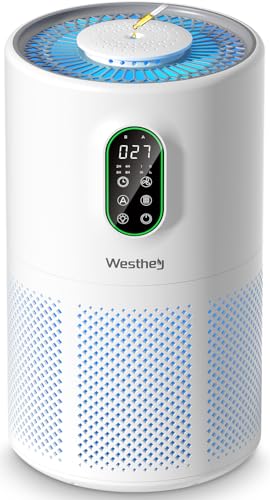
Air Purifiers for Home Large Room up to 1650 ft², WESTHEY H13 True HEPA Air Purifier for Bedroom with Night Light, Air Quality Monitor, Fragrance Sponge, Air Cleaner for Wildfire Smoke Dander Dust
WESTHEY AP02 AIR PURIFIER FOR HOME: The air purifiers feature a 360°surround air intake design with a high-efficiency…
As an affiliate, we earn on qualifying purchases.
As an affiliate, we earn on qualifying purchases.
Background on Canadian Wildfires and US Air Quality Trends
Wildfires have become more frequent and intense in Canada over the past decade, driven by climate change and forest management challenges. In 2026, early spring fires have already burned over 2 million acres, making this one of the most severe fire seasons in recent history. Historically, smoke from Canadian wildfires has occasionally affected US air quality, but recent years have seen more persistent and widespread impacts. Previous incidents in 2021 and 2022 resulted in similar air quality alerts, but the current situation appears more severe due to the scale of the fires and prevailing weather patterns.
“The smoke from Canadian wildfires has significantly impacted air quality across multiple states, and we are closely monitoring the situation.”
— EPA spokesperson

3M 8210 Particulate Respirator, N95, Pack of 20 Disposable Respirators, NIOSH APPROVED, Two-Strap Cup Style Design, Lightweight with Cushioning Nose Foam
NIOSH APPROVED: For at least 95 percent filtration efficiency against certain non-oil based particles
As an affiliate, we earn on qualifying purchases.
As an affiliate, we earn on qualifying purchases.
Extent of Long-Term Health and Environmental Impact
It is not yet clear how long the air quality deterioration will persist or whether the current fires will be fully contained. The long-term health effects of sustained smoke exposure are still being studied, and predictions depend on weather patterns and wildfire control efforts. Additionally, the full environmental impact of the fires on Canadian ecosystems remains to be assessed.

Amazon Smart Air Quality Monitor – Know your air, Works with Alexa
Know your air – An Alexa air quality monitor that makes it easy to understand what’s in your…
As an affiliate, we earn on qualifying purchases.
As an affiliate, we earn on qualifying purchases.
Monitoring, Containment Efforts, and Future Outlook
Authorities will continue to monitor air quality levels and issue alerts as needed. Canadian firefighting agencies are deploying additional resources to contain the fires, while US agencies prepare for potential ongoing impacts. Experts expect that weather conditions in the coming days will influence smoke dispersion and air quality recovery. Public health advisories will likely remain in effect until the wildfire situation stabilizes.

LEVOIT Air Purifier for Home Allergies Pet Hair in Bedroom, Covers Up to 1073 ft² by 56W High Torque Motor, AHAM VERIFIDE, 3-in-1 Filter with HEPA Sleep Mode, Remove Dust Smoke Odor, Core300-P, White
WHY CHOOSE AHAM VERIFIDE AIR PURIFIERS: AHAM (Association of Home Appliance Manufacturers) is an ANSI-accredited organization that sets…
As an affiliate, we earn on qualifying purchases.
As an affiliate, we earn on qualifying purchases.
Key Questions
How does Canadian wildfire smoke affect US air quality?
Smoke from Canadian wildfires can drift across the border, reducing air quality in US cities and causing health alerts due to increased particulate matter in the air.
What health risks are associated with smoke exposure?
Exposure to wildfire smoke can cause respiratory problems, eye irritation, and exacerbate existing health conditions, especially in vulnerable populations like children and the elderly.
How long will the air quality remain poor?
The duration depends on wildfire containment efforts and weather conditions. Authorities expect some improvement if fires are controlled and wind patterns change.
What measures can residents take to protect themselves?
Residents are advised to stay indoors during high pollution periods, use air purifiers if available, and follow health advisories issued by local authorities.
Are there long-term environmental impacts from these wildfires?
Environmental impacts include habitat loss and soil degradation, but comprehensive assessments are still underway. The primary concern currently is immediate air quality and health effects.
Source: google-trends