Prepare to uncover the moisture math behind food dehydration that prevents spoilage and keeps your food fresh longer.
Browsing Category
Kitchen Systems & Food Science
35 posts
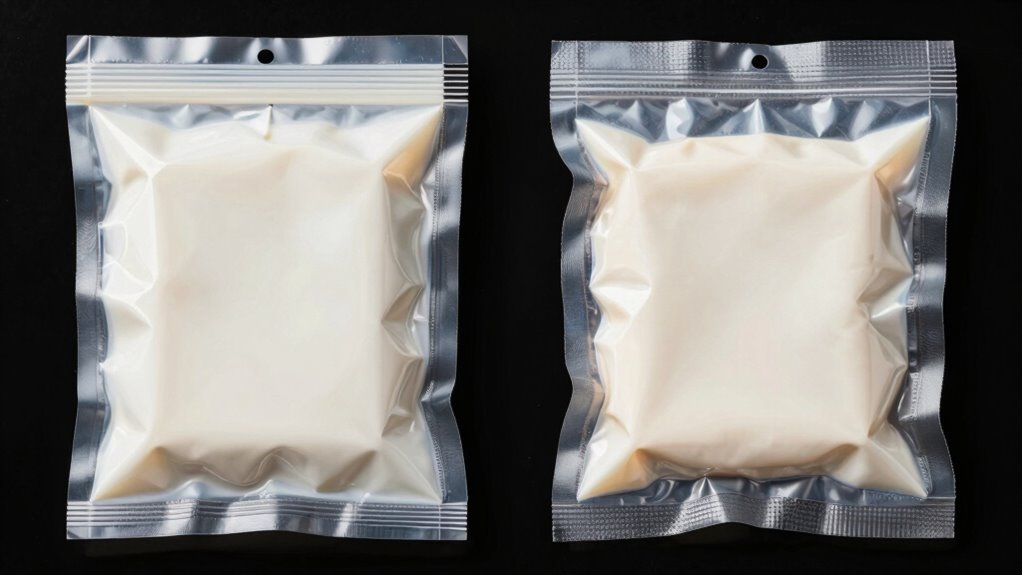
Chamber vs External Vacuum Sealers: How the Mechanism Changes Results
When comparing chamber and external vacuum sealers, understanding how the mechanism impacts results can help you choose the right one—continue reading to discover more.
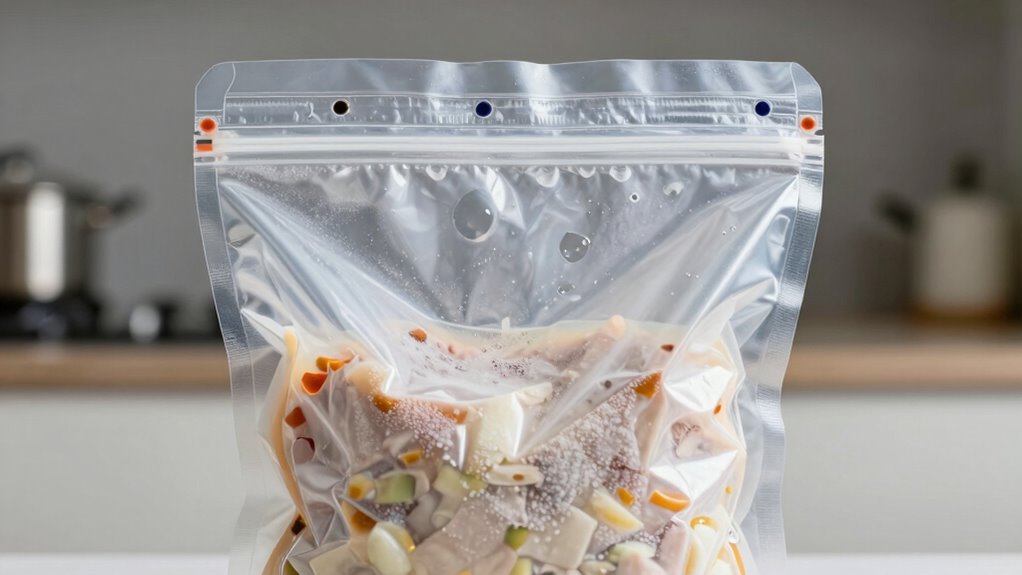
Vacuum Sealing 101: Why Air Leaks Cause Freezer Burn
Freezing food without proper vacuum sealing can lead to air leaks that cause freezer burn and spoilage; learn how to prevent this.
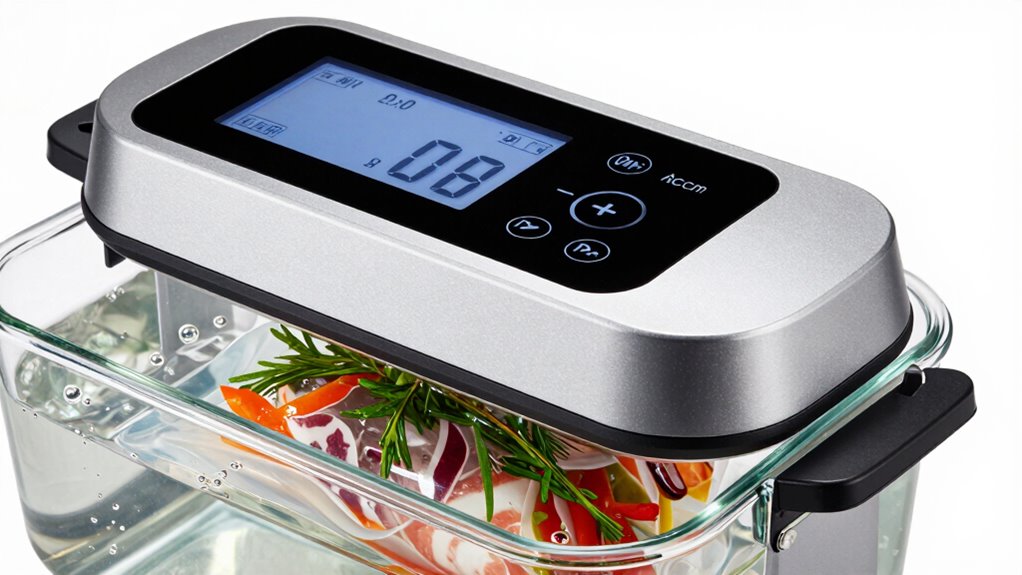
Sous Vide Basics: Safety, Time, and Temperature Logic
A thorough understanding of sous vide safety, timing, and temperature logic ensures perfect results—discover the essential tips to elevate your cooking mastery.
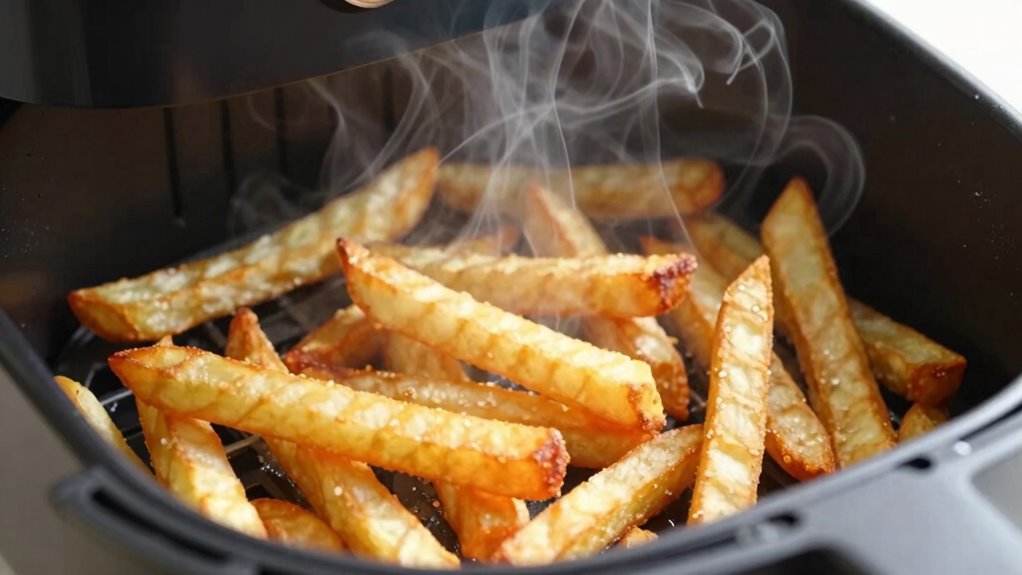
Air Frying: The Airflow Concept Behind the Crunch
Optimize your crispy results by understanding how airflow creates perfect crunch in air frying—discover the secrets behind the irresistible texture.
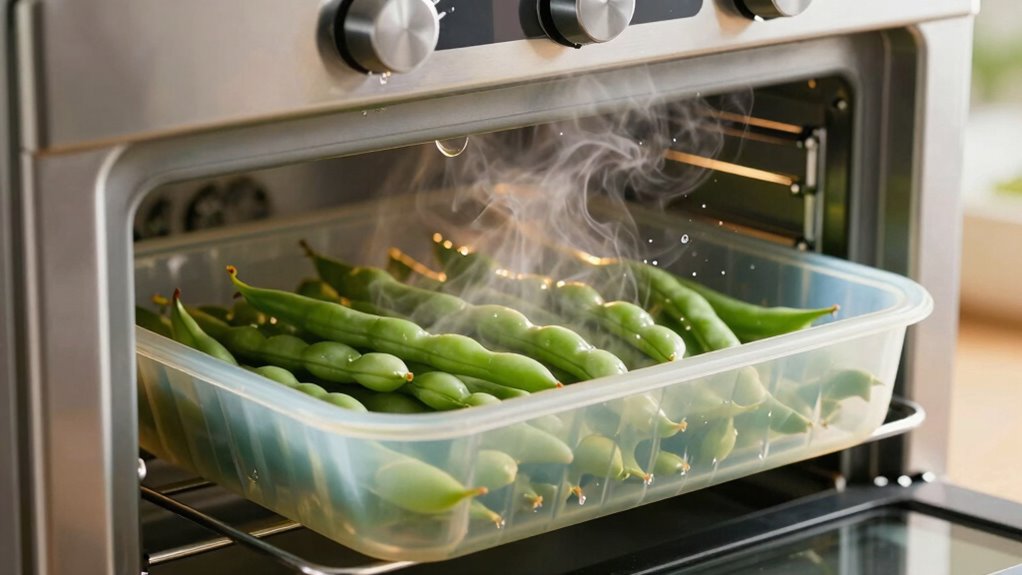
Steam Ovens: What Steam Actually Does to Food
What steam truly does to food will surprise you, revealing how this gentle heat preserves flavor, nutrients, and tenderness in unexpected ways.
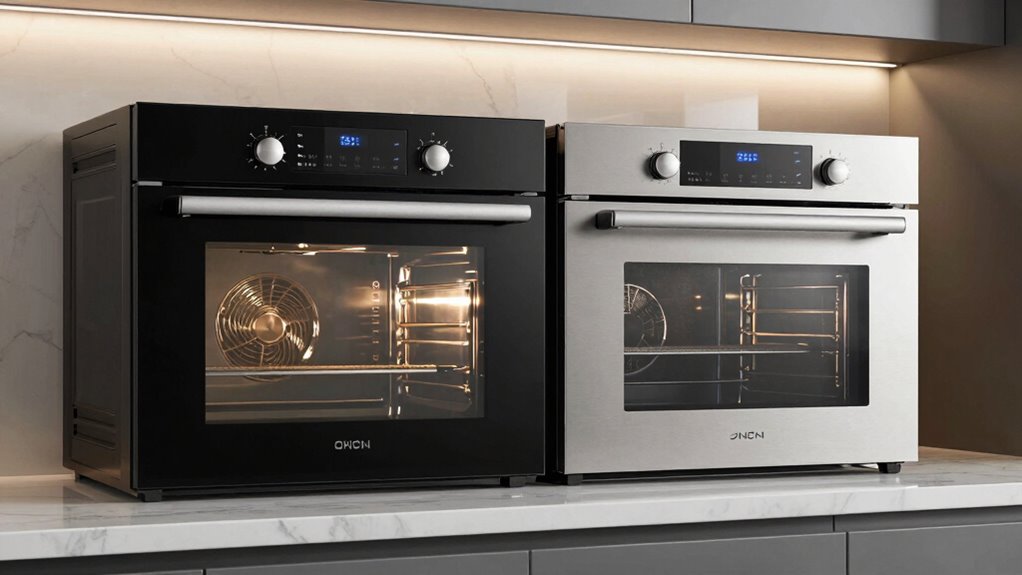
Countertop Ovens: Convection vs True Convection
Optimize your cooking with convection or true convection in countertop ovens—discover which option delivers the best results for your kitchen.
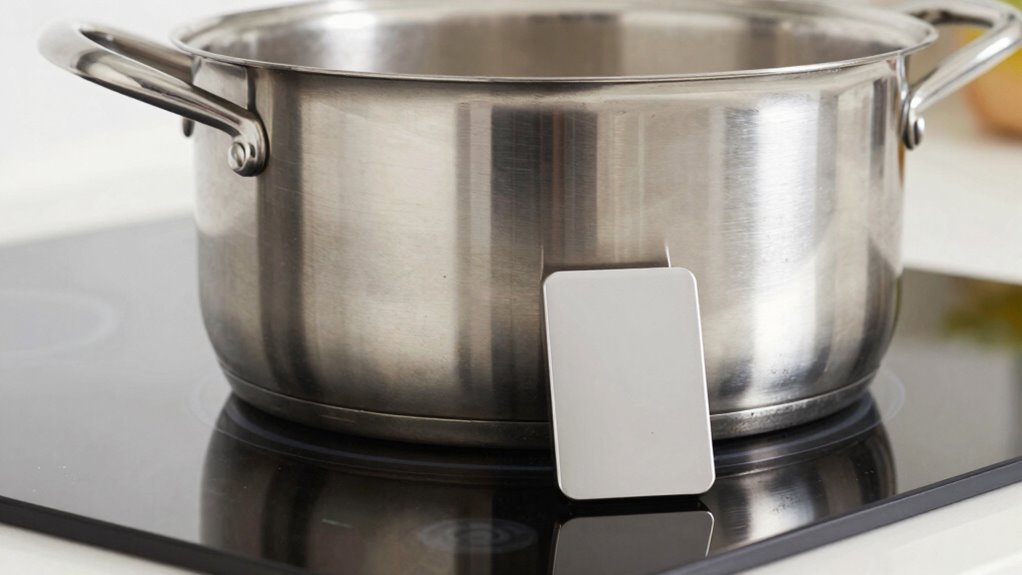
Induction Cookware Compatibility: The Magnet Test That Works
To check if your cookware is compatible with induction stoves, use a…
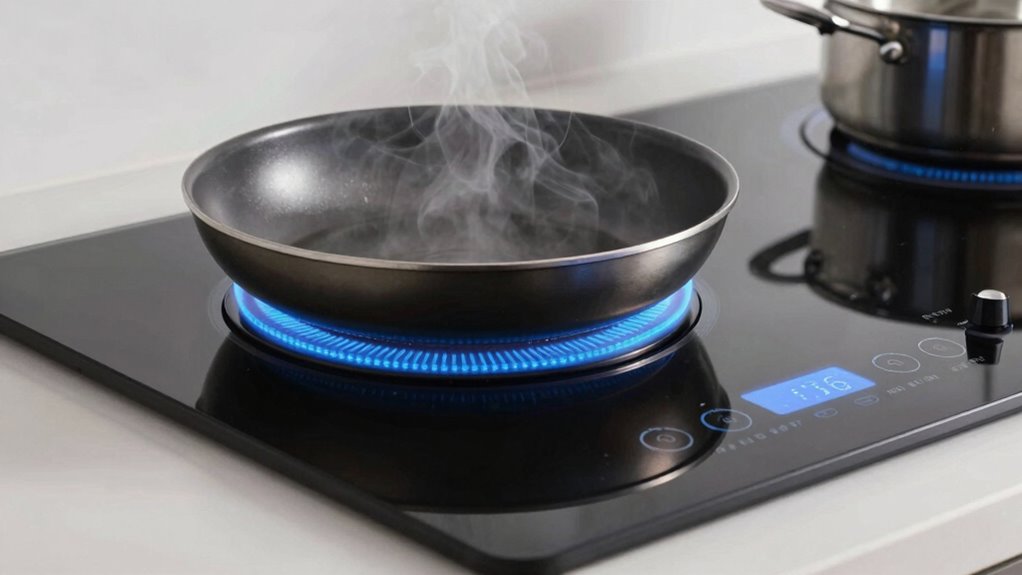
Induction Cooking Explained: Why It Heats Fast (and When It Doesn’t)
An in-depth look at induction cooking reveals why it heats fast and when other factors may hinder its efficiency.
Milk Steaming Basics: Microfoam Physics in Plain English
C mastering milk steaming basics reveals how microfoam forms, but understanding this physics unlocks perfect texture—keep reading to learn more.