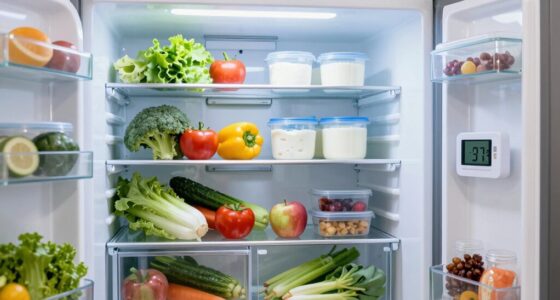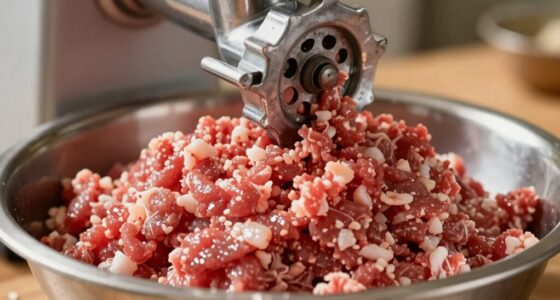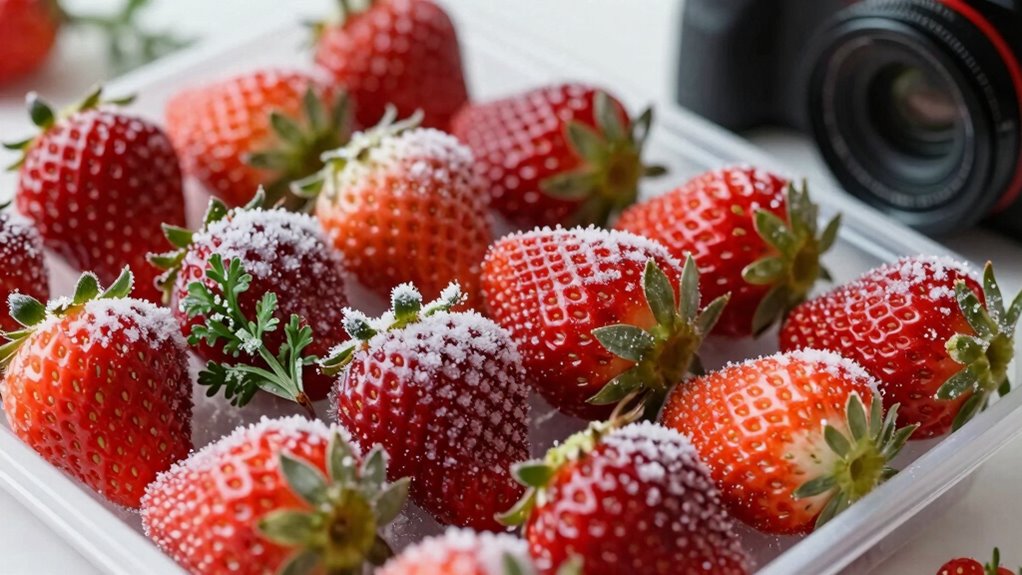

Freeze drying is a preservation method that removes moisture from foods and materials by freezing them and then sublimating the ice directly into vapor. This process keeps the original flavor, texture, color, and nutrients intact, making it ideal for long-term storage without spoilage. It prevents heat damage and enzymatic activity, so your preserved items stay fresh and nutritious. Want to discover how this technique guarantees quality preservation and its applications? Keep exploring to find out more.
Key Takeaways
- Freeze drying removes moisture through sublimation, preserving food’s structure, flavor, and nutrients without heat damage.
- It maintains the original appearance, texture, and nutritional content of foods during long-term storage.
- The process inhibits bacteria, molds, and yeasts by almost eliminating moisture, extending shelf life significantly.
- Freeze drying is ideal for preserving sensitive nutrients and flavors better than conventional drying methods.
- It produces lightweight, stable products that are easy to rehydrate, making it suitable for emergency supplies and transportation.
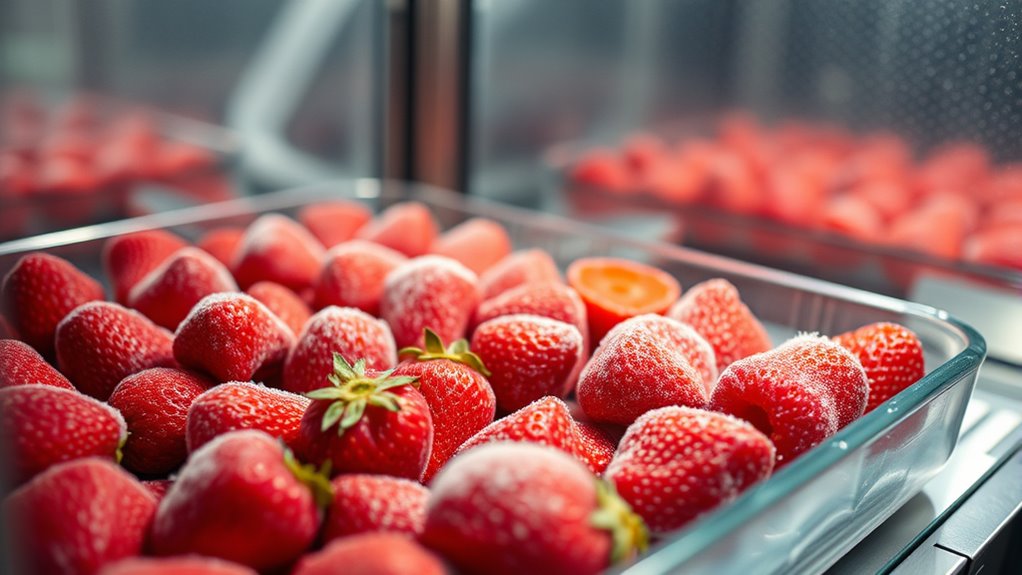
Freeze drying, also known as lyophilization, is a preservation process that removes moisture from food or other materials while maintaining their structure and nutrients. This technique is highly valued in food preservation because it extends shelf life without compromising quality. When you use freeze drying, you preserve the original flavors, textures, and nutritional content of your products, making it a popular choice in both commercial and home settings. The process involves freezing the material, then reducing the surrounding pressure to allow the frozen water in the product to sublimate directly from ice to vapor. This method prevents the damage that can occur with other drying techniques, such as heat degradation or enzymatic activity, which can destroy sensitive nutrients.
You’ll find that freeze drying is a key part of many manufacturing techniques used in the food industry. Manufacturers rely on this process to produce lightweight, stable products that are easy to store and transport. For example, fruits, vegetables, coffee, and even ready-to-eat meals often undergo freeze drying to keep their quality intact during long storage periods. Compared to traditional drying methods, freeze drying requires sophisticated equipment and precise control of temperature and pressure, but the benefits are significant. This technique ensures that the food retains its shape, color, and flavor, which is essential for consumer appeal.
In terms of food preservation, freeze drying offers a unique advantage. Because it removes nearly all moisture, it inhibits the growth of bacteria, molds, and yeasts that cause spoilage. As a result, you can store freeze-dried foods for years without worrying about deterioration. When you’re ready to consume them, rehydration is simple—just add water, and the food regains much of its original texture and flavor. This makes freeze drying ideal for emergency supplies, camping meals, and space missions, where long-term preservation without refrigeration is vital. Additionally, the process preserves nutritional quality, ensuring that consumers receive the health benefits of the original ingredients.

400cc Oxygen Absorbers for Food Storage – 100 Count (20x Packs of 5) – for Long Term Food Storage & Survival, Mylar Bags, Canning, Harvest Right Freeze Dryer, Dehydrated, and Preserved Foods
NOTE – Bags may NOT shrink like a vacuum bag when the oxygen has been removed. Absorbers do…
As an affiliate, we earn on qualifying purchases.
As an affiliate, we earn on qualifying purchases.
Frequently Asked Questions
How Long Does Freeze-Dried Food Last?
Freeze-dried food can last 25 to 30 years if stored properly. To maximize shelf life, keep it in airtight containers away from light, heat, and moisture. Always check for signs of spoilage before eating, and use oxygen absorbers or vacuum sealing for extra preservation. Proper storage tips help guarantee your freeze-dried food remains safe and tasty for decades, making it perfect for long-term emergencies or outdoor adventures.
Is Freeze Drying Safe for All Types of Food?
Freeze drying is generally safe for most types of food, but you should always consider food safety and preservation techniques. Not all foods respond well to freeze drying; some may lose flavor or texture or develop spoilage risks if improperly processed. You need to guarantee proper handling and storage. When done correctly, freeze drying effectively preserves a wide variety of foods, making it a reliable preservation technique.
Can Freeze-Dried Items Be Rehydrated Easily?
Yes, freeze-dried items can be rehydrated easily. You simply use reconstitution techniques like soaking or adding liquid to restore their original texture. To achieve better texture restoration, make certain you use the right amount of liquid and allow sufficient time for the food to absorb it fully. This process makes freeze-dried foods convenient for quick meals or snacks, maintaining their flavor and nutritional value while restoring their original consistency.
What Are the Environmental Impacts of Freeze Drying?
You might wonder about freeze drying’s environmental impacts. It can have a significant ecological footprint due to high energy use, but adopting sustainable practices like renewable energy sources and efficient equipment mitigates this impact. By doing so, you help lower carbon emissions and waste. While freeze drying offers preservation benefits, being mindful of its environmental effects ensures you support eco-friendly choices and minimize harm to the planet.
How Does Freeze Drying Compare to Dehydration?
Imagine a battle between two preservation techniques: freeze drying and dehydration. Freeze drying removes moisture through sublimation, preserving more nutrients and flavor, while dehydration relies on heat to remove moisture, which can degrade some qualities. You’ll find freeze drying better for delicate items, maintaining texture and nutrients, whereas dehydration is faster and more energy-efficient. Choose freeze drying for premium preservation, but if speed and simplicity matter, dehydration might suit your needs better.
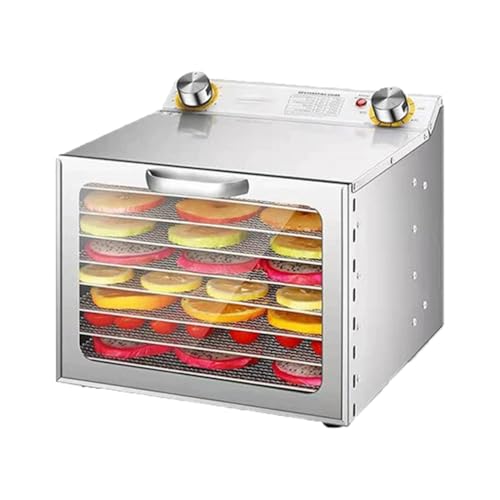
LUYMIBDO Freeze Dryer, 6/8/12 Layers Freeze Dried Machine, with 12H Timer, Stainless Steel Fruit Dryer,for Fruits, Vegetables, Meat, Seafood,8Layer
✦ Commercial-Grade Freeze Dryer: Our high-quality stainless steel food dehydrator is available with 6, 8, or 12 drying…
As an affiliate, we earn on qualifying purchases.
As an affiliate, we earn on qualifying purchases.
Conclusion
Now that you understand freeze drying, you see it’s like a time capsule locking in freshness and flavor, preserving your favorite foods and delicate items for the future. This process gently halts decay, keeping nutrients intact and textures intact as if frozen in time. So, next time you enjoy a freeze-dried snack, remember you’re tasting a snapshot of freshness, preserved like a precious jewel waiting patiently for you to uncover its hidden beauty.

ONETANG Freeze-Dried Mixed Fruit, 12 Pack Single-Serve Pack, Non GMO, Kosher, No Add Sugar, Gluten free, Vegan, Holiday Gifts, Healthy Snack, Blue Box, 0.35 Ounce
CONTAINS: 12 convenient single-serve bags high-quality, hand-sliced delicious freeze-dried fruit with NO ADDED SUGAR.
As an affiliate, we earn on qualifying purchases.
As an affiliate, we earn on qualifying purchases.

BiuLeon 6 Pack-17oz Freezer Storage Containers, Plastic Food Storage Containers with Twist Top Lids, BPA Free and Reusable Soup Containers with Lid, Microwave and Dishwasher Safe
Versatile Food Containers: Our freezer storage containers set includes 6 pack of 17 oz containers and lids. Great…
As an affiliate, we earn on qualifying purchases.
As an affiliate, we earn on qualifying purchases.