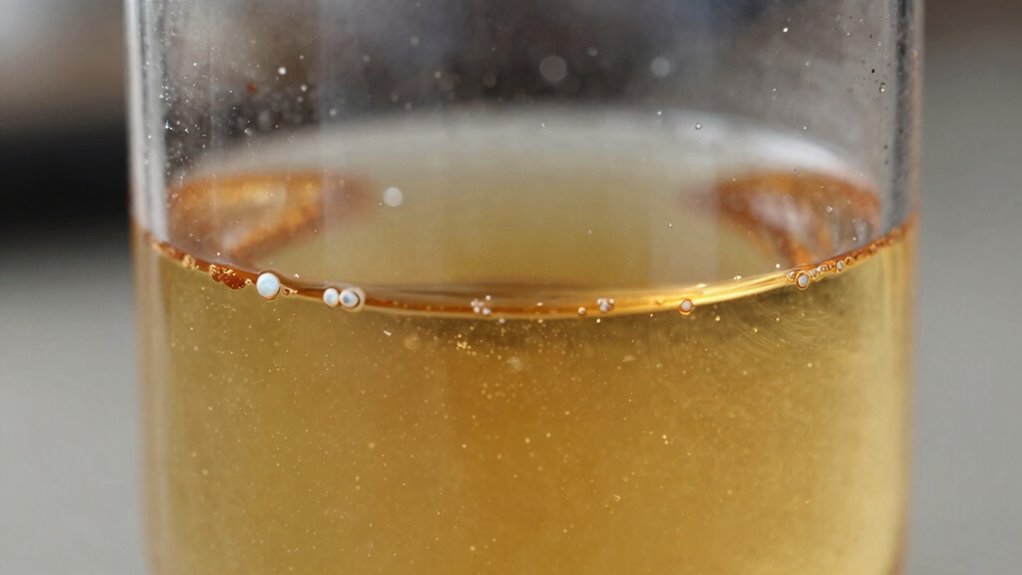

To stop sour shots, you need to balance your brewing water’s minerals, especially calcium and magnesium. These minerals help extract flavors properly, preventing under-extraction that causes sourness. Aim for a near-neutral pH between 6.5 and 7.5 and make certain your water isn’t too soft or mineral-heavy. Achieving the right mineral profile enhances flavor without bitterness, giving your coffee depth and brightness. Keep exploring to learn the precise adjustments that perfect your water chemistry for better brews.
Key Takeaways
- Maintain balanced calcium and magnesium levels to support proper extraction without causing sourness.
- Use water with a pH between 6.5 and 7.5 to prevent acidic or dull flavors.
- Avoid overly mineralized water to prevent over-extraction and bitterness.
- Ensure water has sufficient mineral content to enhance flavor clarity and prevent flat tastes.
- Regularly test and adjust mineral levels and pH for consistent, sour-free coffee results.
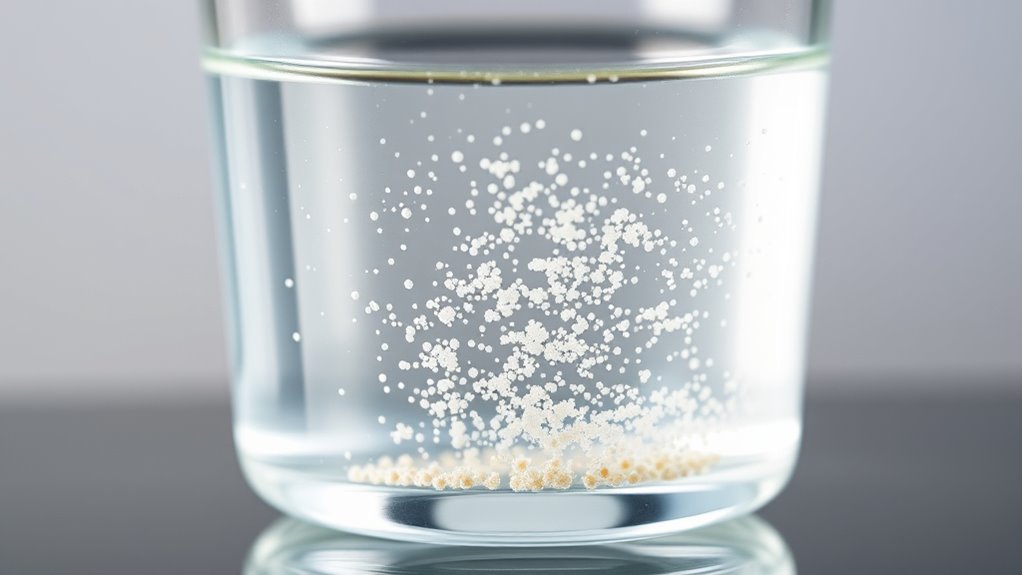
Have you ever wondered how the water you use influences the flavor of your coffee? The answer lies in understanding water chemistry, especially the mineral content and pH balance. These factors play a vital role in extracting flavors from your coffee grounds and preventing undesirable tastes like sourness or bitterness. When your water has a balanced mineral content, it can highlight the nuanced flavors of your beans rather than overpower or mute them. Too much calcium or magnesium, for example, can cause over-extraction, leading to a harsh or bitter brew. Conversely, water that’s too soft or lacks minerals won’t extract enough flavor, leaving your coffee flat or dull. Achieving the right mineral balance involves careful calibration—think of it as tuning an instrument to produce the purest sound.
Water mineral content isn’t just about adding minerals; it’s about maintaining the proper levels. Minerals like calcium and magnesium are beneficial because they aid in proper extraction and contribute to a well-rounded cup. They also influence water’s ability to carry flavor compounds from the coffee grounds. If your water is overly mineralized, it can cause over-extraction, resulting in sour or metallic notes. On the other hand, water with very low mineral content, such as distilled or reverse osmosis water, may lead to under-extraction, producing a weak or sour taste. You want a harmonious mineral profile—enough to bring out the coffee’s complexity but not so much that it mutes or distorts it. Balancing mineral levels is essential for optimal extraction.
Maintaining proper mineral levels enhances extraction and flavor, avoiding over- or under-extraction for a balanced coffee experience.
Equally important is the pH balance of your water. Ideally, it should hover around neutral, between 6.5 and 7.5. If your water is too acidic (pH below 6.5), it can cause sourness and over-extraction, emphasizing the undesirable tang in your brew. Too alkaline (above 7.5), and you risk dullness or flatness, preventing the coffee’s bright notes from shining through. Striking the right pH balance ensures that your water neither overpowers nor diminishes the coffee’s natural flavors. Adjusting pH can be as simple as adding small amounts of baking soda or using specially formulated water treatment solutions designed for coffee brewing.
In essence, understanding and controlling water mineral content and pH balance empowers you to craft consistently excellent coffee. It’s a subtle art—one that separates a mediocre cup from a truly exceptional one. When your water’s chemistry is just right, it reveals the full potential of your coffee beans, delivering a balanced, flavorful, and satisfying experience every time.

Varify 17in1 Complete Drinking Water Test Kit – 100 Strips + 2 Bacteria Tester Kits – Well, Tap, Home, City Water Testing Strip for Lead, Alkaline, Chlorine, Hardness, Iron, Fluoride, Copper & More
17 IMPORTANT PARAMETERS: The Varify Premium Drinking Water Test Kit offers an unrivaled, complete analysis of your drinking…
As an affiliate, we earn on qualifying purchases.
As an affiliate, we earn on qualifying purchases.
Frequently Asked Questions
How Does Mineral Balance Affect Espresso Flavor?
You’ll notice that mineral balance directly impacts espresso flavor by influencing flavor extraction and mineral interactions. Proper mineral levels help extract the best flavors from your beans, preventing sour or bitter notes. When minerals like calcium and magnesium are in balance, they enhance sweetness and clarity. Too many or too few minerals disrupt this process, leading to dull or sour shots. Adjusting mineral content guarantees a clean, balanced espresso with ideal flavor.
Can Water Mineral Levels Change Over Time?
Yes, water mineral levels can change over time. Water hardness, which relates to mineral content like calcium and magnesium, can fluctuate due to source variation or treatment processes. Mineral stability is vital because shifts can impact espresso flavor and extraction. You should regularly test your water to maintain ideal mineral levels, ensuring consistent flavor and preventing sour shots caused by imbalanced mineral content.
What’s the Ideal pH for Brewing Water?
You should aim for a pH of around 7.0 for brewing water, as it offers ideal pH stability and enhances brewing efficiency. Notably, even slight deviations can cause sour or flat flavors; a pH slightly above or below can alter extraction. Maintaining this neutral pH ensures consistent coffee quality, prevents sour shots, and helps you achieve balanced, flavorful brews every time.
How Do I Test My Water Mineral Content Accurately?
To test your water mineral content accurately, you should start with water testing kits specifically designed for mineral analysis. These kits often include test strips or liquid reagents that measure key minerals like calcium, magnesium, and bicarbonates. Follow the instructions carefully, dip the test strip or add reagents to a water sample, and compare the results to the provided color chart. This way, you’ll get a precise understanding of your water’s mineral levels.
Are Filtered or Bottled Waters Better for Coffee Brewing?
Did you know that over 60% of specialty coffee brewers prefer filtered water? Filtered water often provides more consistent filtering effects, removing unwanted minerals and impurities that can cause sour or flat shots. Bottled water can vary widely in mineral content and may contain additives. For the best flavor, opt for filtered water, which balances mineral levels better and helps you achieve a smoother, more flavorful brew every time.
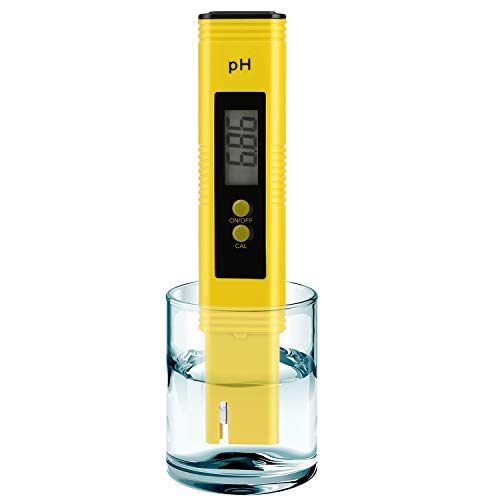
PH Meter for Water Hydroponics Digital PH Tester Pen 0.01 High Accuracy Pocket Size with 0-14 PH Measurement Range for Household Drinking, Pool and Aquarium (Yellow)
【How to use calibration】Press CAL for 5 seconds to enter the calibration mode, press in turn to select…
As an affiliate, we earn on qualifying purchases.
As an affiliate, we earn on qualifying purchases.
Conclusion
Mastering coffee water chemistry is like tuning an instrument—you hold the power to unveil perfect flavor. When you strike the right mineral balance, sour shots become a thing of the past, revealing rich, vibrant tastes. So, next time you brew, remember: the secret isn’t just in the beans, but in the water beneath them. Will you let your coffee sing, or will sour notes drown out its true harmony? The choice is yours.

COFFEE WATER Mineral Packs for Making Water for Coffee (Makes 25 Gallons)
COFFEE WATER mineral packs turn pure water into the optimal water for brewing a truly amazing cup of…
As an affiliate, we earn on qualifying purchases.
As an affiliate, we earn on qualifying purchases.
COFFEE WATER Mineral Packs for Making Water for Coffee (Makes 25 Gallons)
COFFEE WATER mineral packs turn pure water into the optimal water for brewing a truly amazing cup of…
As an affiliate, we earn on qualifying purchases.
As an affiliate, we earn on qualifying purchases.