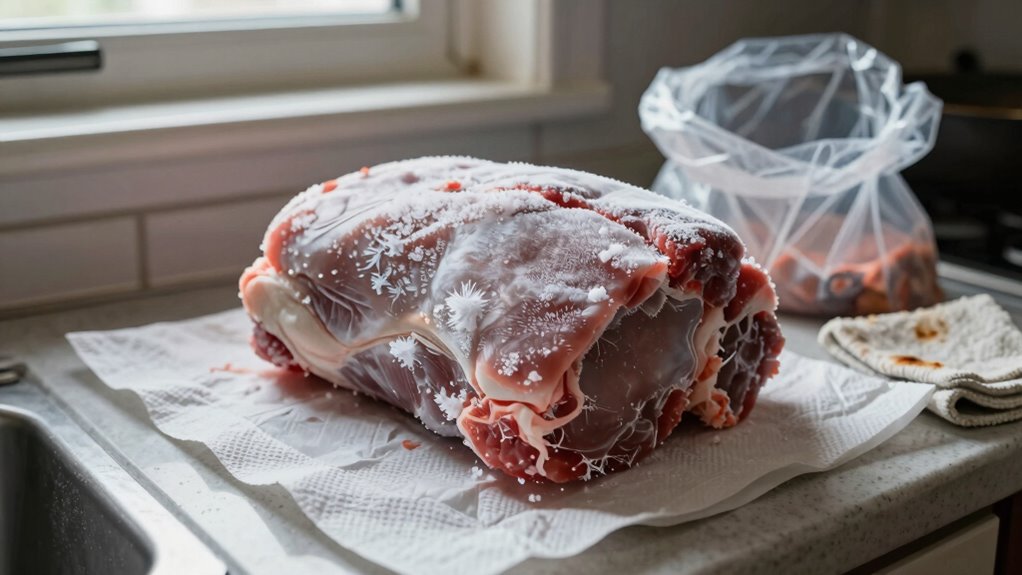
Never ignore proper thawing methods, as improper techniques can lead to dangerous bacterial growth and foodborne illnesses—discover the safe way to thaw your food today.
Browsing Category
Kitchen Science
59 posts
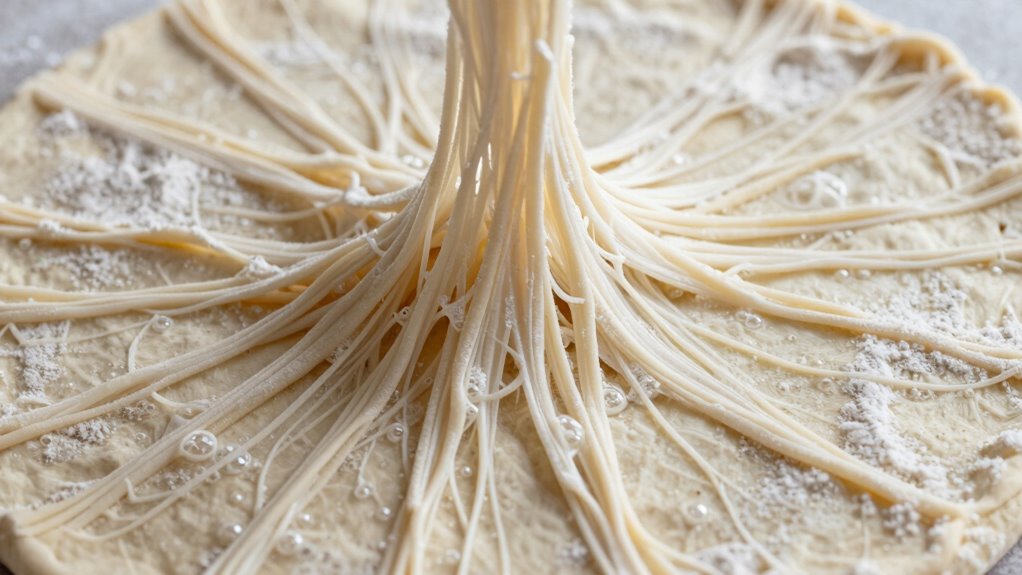
Gluten Development: Why Dough Turns Chewy
Lack of proper gluten development can cause chewy bread, but understanding how to control it is key to perfecting your baking results.
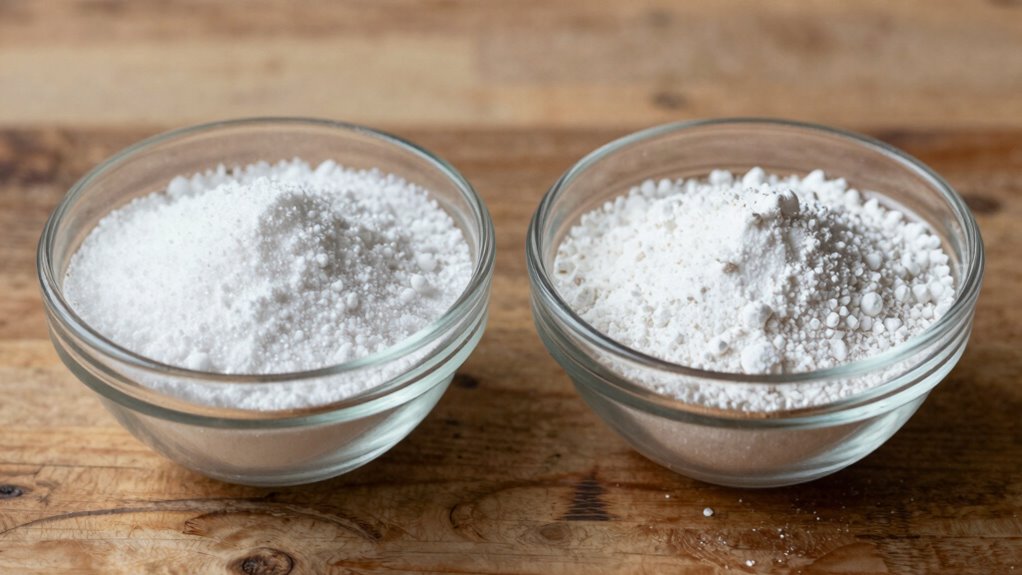
Baking Soda Vs Baking Powder: the Real Difference
Meticulously understanding the real difference between baking soda and baking powder can transform your baking, but here’s what you need to know to get it right.
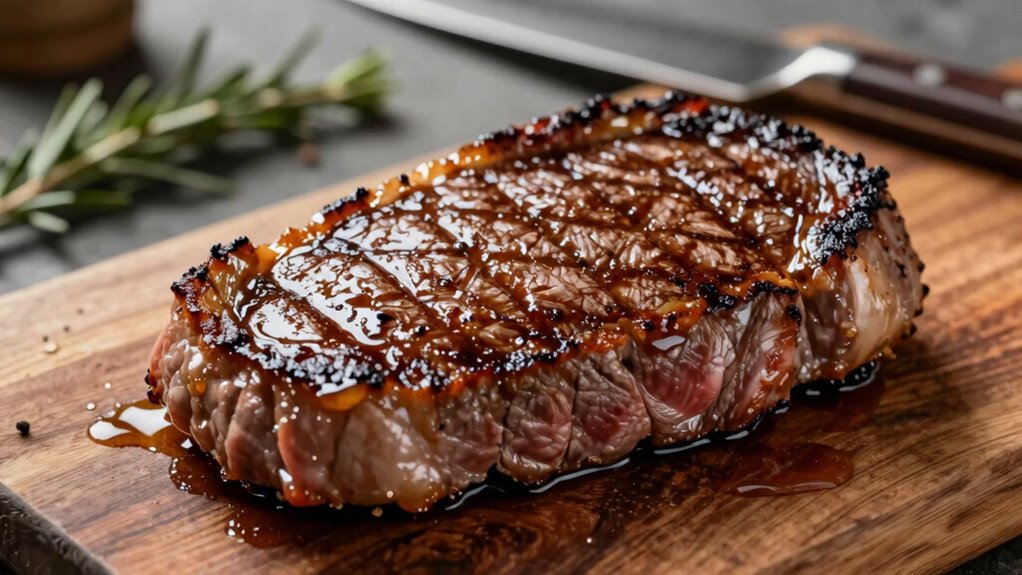
Resting Meat: The Reason It Works (No Myths)
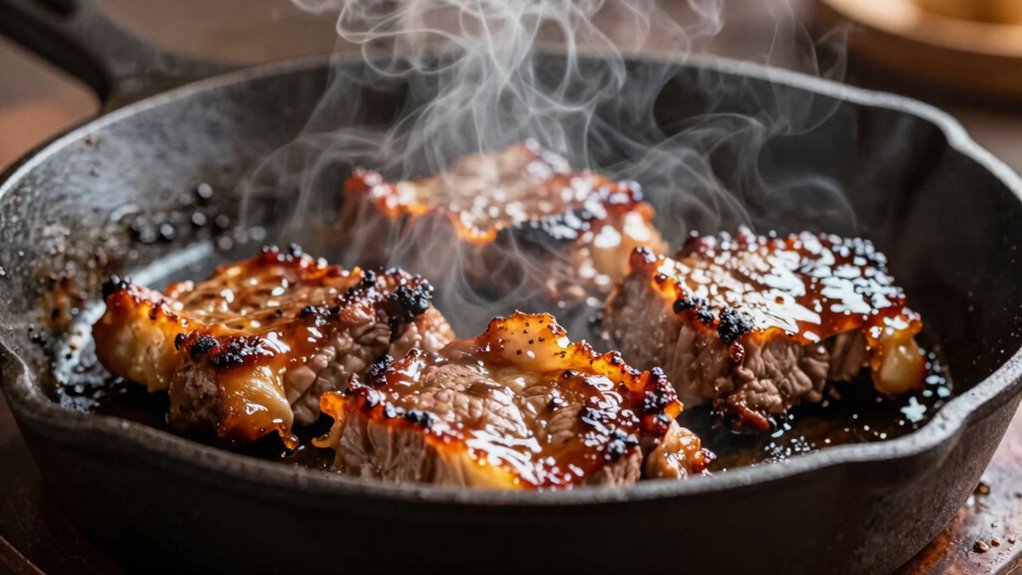
Caring for perfectly cooked meat involves resting it to ensure maximum juiciness and flavor—discover the science behind why this simple step truly works.
Carryover Cooking: The Temperature That Keeps Rising
Lurking within your cooking process is carryover temperature, which can make the difference between perfect doneness and overcooking—discover how to control it.
Why Garlic Burns So Fast (And How to Prevent It)
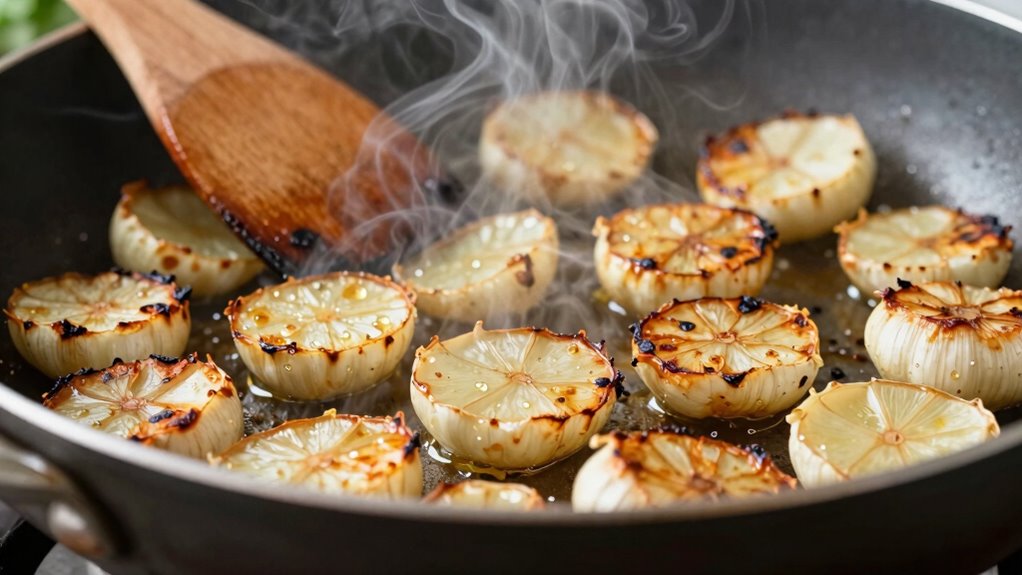
Garlic burns quickly because of its delicate sugars and enzymes, but with these tips, you can prevent it from turning bitter or black.
Emulsions Explained: Why Sauces Break
Fascinating emulsions reveal why sauces break, and understanding this can help you master perfect, stable sauces every time.
Caramelization Vs Browning: They’Re Not the Same
Savor the differences between caramelization and browning, and discover how mastering each process can elevate your cooking—continue reading to unlock their secrets.
The Maillard Reaction: The Browning Secret of Flavor
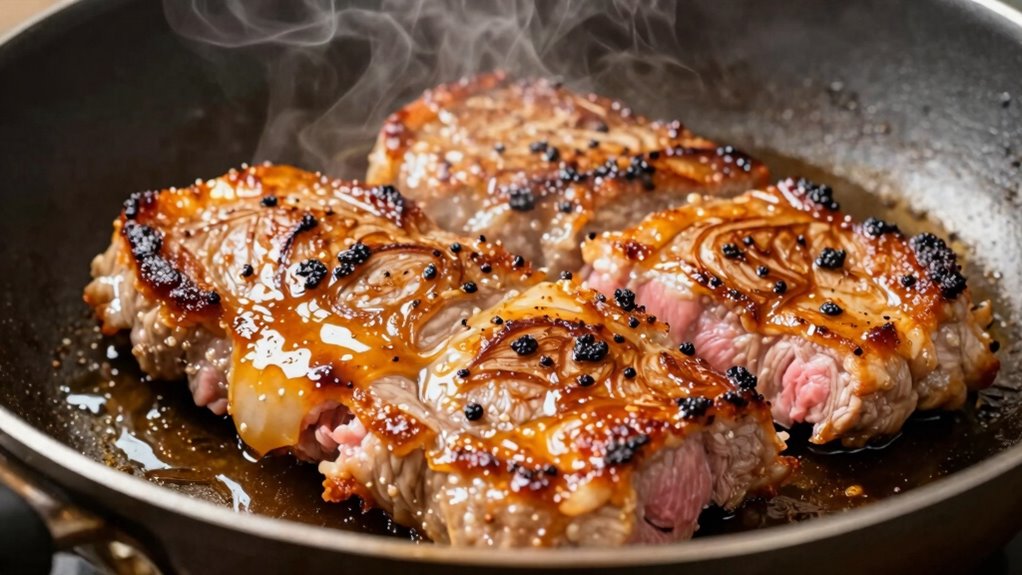
Optimize your cooking by mastering the Maillard reaction, the secret to irresistible browning and flavor—discover how to elevate your dishes today.
Freezer Burn Isn’t Mystery—It’s Physics
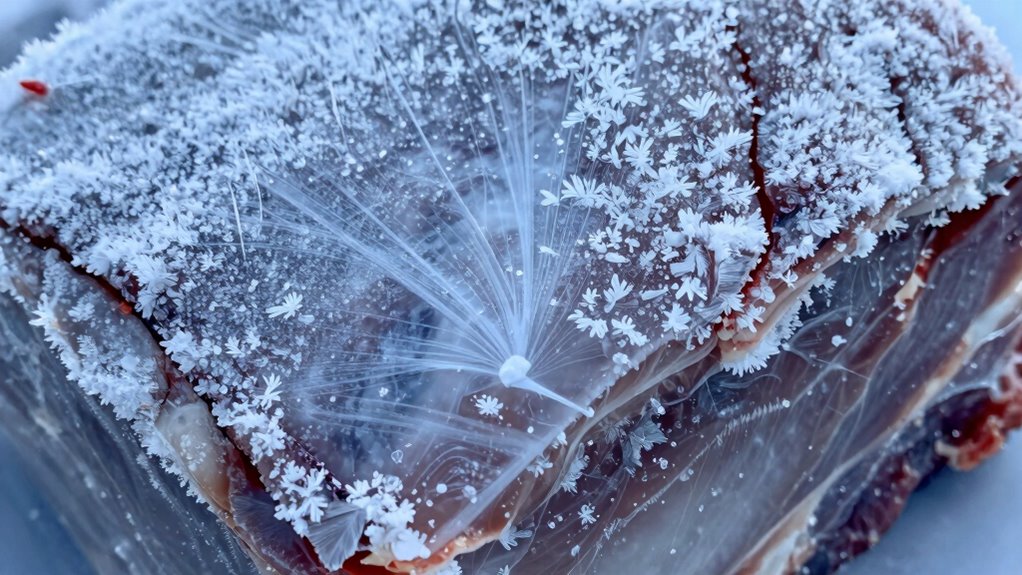
Many assume freezer burn is mysterious, but understanding the physics behind water migration can help prevent it—learn more now.