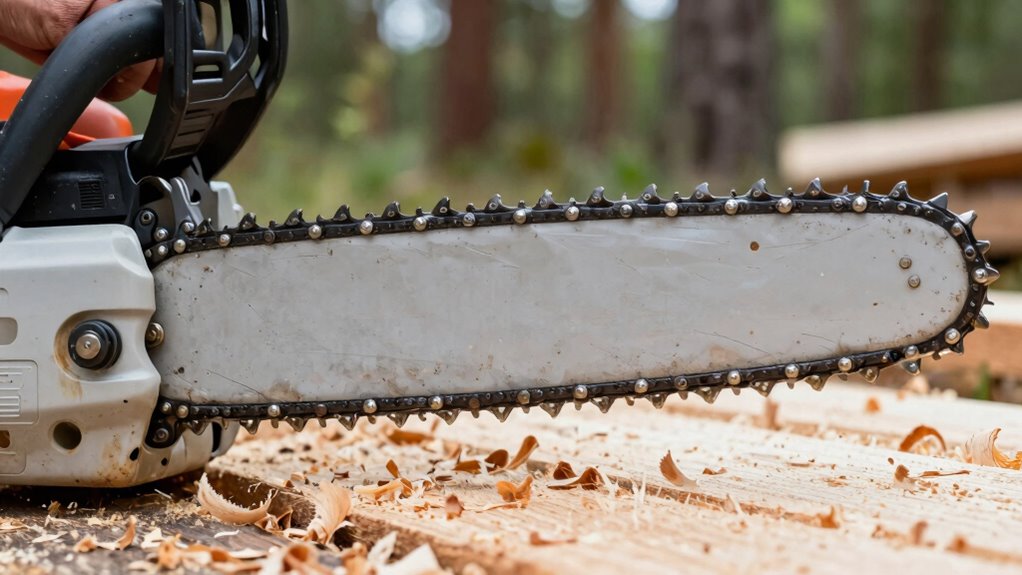

When you change your chainsaw’s bar length, you directly affect your control and safety. Longer bars give you more leverage but require more strength and power, making the saw harder to handle and increasing fatigue. Shorter bars are easier to maneuver but may limit your cutting capacity. Using the wrong size can also boost kickback risk or cause chain issues. If you want to understand how to manage these challenges effectively, there’s more to discover.

Prime made for students and young adults
- Fast, free delivery for dorm and study essentials
- Prime Video and Amazon Music included
- Member-only deals
Key Takeaways
- Longer bars increase leverage, making chainsaws harder to control and raising the risk of fatigue and accidents.
- Changing bar length affects chain tension and stability, impacting overall safety during operation.
- Incompatible bar sizes can cause chain derailment or kickback, increasing safety hazards.
- Longer bars demand more power, which if insufficient, can lead to loss of control or damage to the saw.
- Proper technique and safety precautions are essential to manage increased control challenges with longer bars.
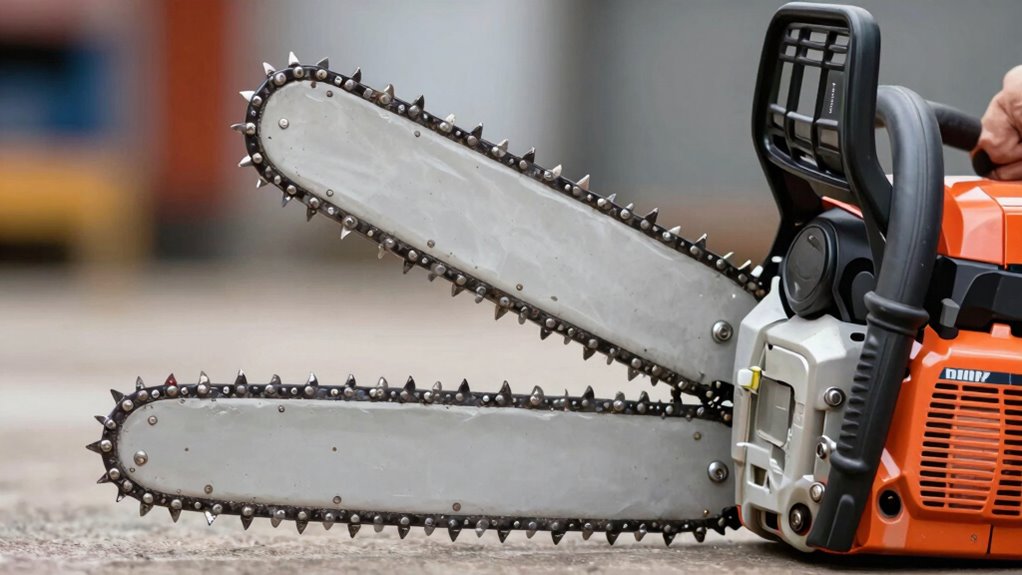
Have you ever wondered how changing your chainsaw’s bar length can impact its performance and safety? When you swap out the bar, it’s not just about fitting a different size; it directly influences how your chainsaw handles, cuts, and stays safe during operation. Longer bars can make cutting larger logs easier and faster, but they also require more power and control. Shorter bars are more maneuverable and safer for detailed work, but they might struggle with bigger jobs. Understanding these differences is crucial to balancing performance with safety.
One of the most important safety precautions when modifying your chainsaw’s bar length is to ensure your saw is compatible with the new bar. Using an incompatible size can strain the engine, increase the risk of kickbacks, or cause the chain to derail. Before making any changes, always consult your chainsaw’s manual or manufacturer guidelines. Proper maintenance tips also come into play—regularly check the chain tension, sharpen the chain, and keep the bar clean. When you change the bar length, make sure the chain fits snugly and runs smoothly; a loose or overly tight chain can lead to accidents or damage to your saw. Additionally, understanding how bar length affects control can help you make safer and more effective choices.
Ensure chainsaw compatibility and proper maintenance for safe, efficient bar length modifications.
Adjusting the bar length affects how the chainsaw behaves, so you need to be mindful of your skill level and the task at hand. Longer bars tend to increase leverage, which means more force is exerted on your hands and arms, potentially leading to fatigue or loss of control if you’re not cautious. It’s essential to hold the saw firmly, maintain a balanced stance, and cut with controlled movements. Proper technique and awareness of tool control are vital for safe operation. Additionally, being aware of power requirements when switching to longer bars ensures your saw can handle the increased workload effectively, reducing potential hazards. Incorporating safety gear such as gloves, goggles, and hearing protection is especially important when working with larger, more powerful saws, to protect against potential hazards.
Changing the bar length isn’t just about performance; it’s about controlling the tool safely. If you’re unsure about which length to choose, start with a shorter bar to get comfortable, then gradually move to longer ones as your skills develop. Always double-check that the chain is properly tensioned after changing the bar, as improper tension can cause the chain to jump or derail, increasing safety risks. Remember, a well-maintained chainsaw with the correct bar length not only performs better but also minimizes the chance of accidents. So, take your time, follow safety precautions, and keep up with maintenance tips to ensure every cut is safe and efficient.
chainsaw bar length replacement kit
As an affiliate, we earn on qualifying purchases.
As an affiliate, we earn on qualifying purchases.
Frequently Asked Questions
How Does Bar Length Affect Chainsaw Weight?
A longer chainsaw bar adds weight, making the saw more challenging to control and maneuver, especially during extended use. This increased weight can affect chain stability and vibration control, leading to fatigue and potential safety issues. You’ll find that a shorter bar is lighter, easier to handle, and offers better control, while a longer one provides more cutting reach but demands greater effort and attention to maintain stability and reduce vibrations.
Can Changing the Bar Length Damage My Chainsaw?
Think of your chainsaw like a finely tuned orchestra—changing the bar length can throw it out of harmony, risking damage. If you switch to a longer bar without adjusting chain tension or inspecting the chain, you risk undue strain, which may damage the bar or chain. Regular bar maintenance and proper tension are essential to prevent damage. Always match your bar length to your chainsaw’s specifications for safe, efficient cutting.
Is a Longer Bar More Suitable for Professional Use?
A longer bar is generally more suitable for professional use because it offers greater bar length versatility, allowing you to handle larger, thicker logs efficiently. Professionals benefit from the increased cutting capacity and stability, which enhances overall handling and productivity. However, it requires proper technique and strength to control the heavier saw. So, if you’re experienced and need durability for demanding tasks, a longer bar can considerably improve your professional handling.
How Does Bar Length Impact Cutting Speed?
A longer bar can slow down your cutting speed because it requires more chain movement, which demands consistent chain tension and proper bar lubrication. If the chain tension isn’t correct, the chain may slip or bind, reducing efficiency. Adequate bar lubrication ensures smooth operation, preventing overheating and wear. So, while longer bars can handle bigger projects, they might restrict cutting speed unless you maintain proper tension and lubrication.
What Safety Gear Is Recommended for Different Bar Lengths?
They say “better safe than sorry,” and that’s especially true with chainsaws. For shorter bars, wear safety gloves and a protective helmet to guard against debris. If you’re working with longer bars, consider adding eye protection and chaps for extra safety. Always make certain your gear fits well and check it regularly. Proper safety equipment minimizes risks, making your cutting experience safer and more efficient.
chainsaw chain tensioner and guide bar
As an affiliate, we earn on qualifying purchases.
As an affiliate, we earn on qualifying purchases.
Conclusion
So, next time you’re choosing a chainsaw bar, remember that longer isn’t always better. It affects control, safety, and your cutting efficiency. Are you willing to compromise safety or precision just to handle bigger logs? By understanding how bar length impacts your work, you can make smarter decisions and reduce risks. Always match your tool to the task, and stay safe out there—because better control keeps you safer.
As an affiliate, we earn on qualifying purchases.
As an affiliate, we earn on qualifying purchases.
Fall Picks
fall essentials
As an affiliate, we earn on qualifying purchases.