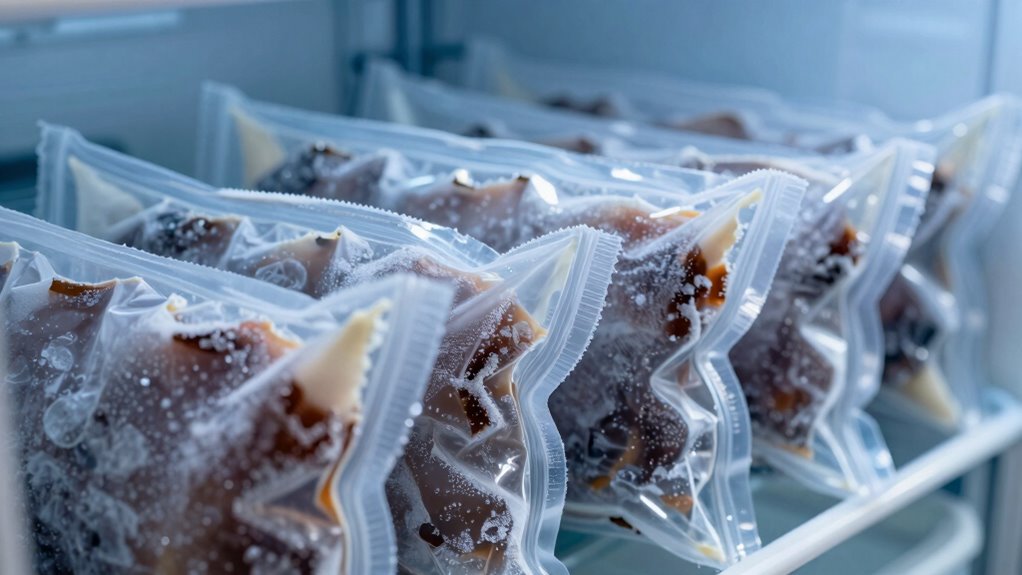

If your frozen food fails because of packaging issues, it’s likely due to poor protection against moisture, air, and temperature fluctuations. Inadequate materials can lead to freezer burn, leaks, or spoilage, damaging the quality and taste of your food. Wrong packaging also hinders long-term preservation, causing waste and dissatisfaction. Using the right materials and design is key to avoiding these problems. Keep exploring to discover how better packaging can prevent future failures.

Prime made for students and young adults
- Fast, free delivery for dorm and study essentials
- Prime Video and Amazon Music included
- Member-only deals
Key Takeaways
- Inadequate packaging allows moisture and air infiltration, causing freezer burn and spoilage.
- Poor material durability leads to leaks, leaks, and physical damage during freezing and storage.
- Insufficient barrier properties accelerate product deterioration, reducing shelf life and food quality.
- Non-eco-friendly or incompatible materials can compromise packaging integrity and sustainability.
- Improper packaging design increases the risk of product crushing, leaks, and customer dissatisfaction.
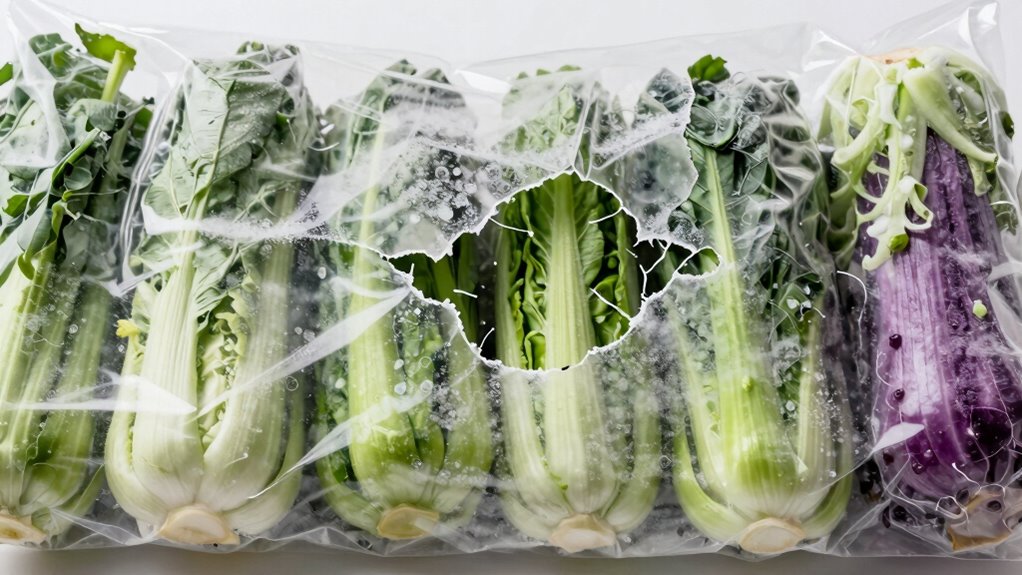
Frozen food packaging can sometimes cause more frustration than convenience, especially when designs fail to meet basic expectations. When packaging doesn’t protect the food properly, it can lead to freezer burn, spoilage, or leaks that make the entire experience unpleasant. The core issue often lies in the materials used, which might not be suited for the harsh conditions of freezing and storage. To improve this, manufacturers are turning to innovative materials that offer better barrier properties, guaranteeing food stays fresher longer and resists moisture or air infiltration. These new materials not only extend shelf life but also align with the growing demand for sustainable packaging, which minimizes environmental impact.
Using sustainable packaging in frozen foods is no longer just a trend; it’s a necessity. Consumers are increasingly aware of their ecological footprint, and they expect brands to adopt eco-friendly options. When packaging isn’t sustainable, it often ends up in landfills, adding to pollution and waste. By opting for eco-conscious materials—like biodegradable plastics, recycled content, or plant-based films—companies can deliver packaging that’s both functional and environmentally responsible. This shift not only satisfies consumer preferences but also reduces the brand’s carbon footprint, making it a win-win situation. Additionally, innovative materials often provide better insulation, which helps maintain the quality of frozen foods during transportation and storage.
Choosing eco-friendly packaging reduces waste, enhances product quality, and meets consumer demand for sustainability.
However, adopting these new materials isn’t without challenges. Some innovative packaging solutions can be more expensive or harder to produce at scale, which might discourage companies from making the switch. Yet, the long-term benefits outweigh the initial investment, especially when you consider the reduction in waste and improved product quality. Properly designed packaging that employs these advanced materials can prevent common issues like freezer burn, crushing, or leaks, which are typical reasons for product returns or dissatisfaction. When packaging fails to meet these basic needs, it damages the brand’s reputation and results in lost sales. Choosing the right materials is essential to ensure that frozen food packaging performs effectively in the demanding conditions of freezing and storage. Furthermore, ongoing research into sustainable packaging offers promising solutions for future advancements.
Ultimately, the failure of frozen food packaging often boils down to choosing the wrong materials or neglecting sustainability. You want packaging that’s durable, eco-friendly, and capable of protecting your product throughout its journey. By embracing innovative materials that are also sustainable, brands can create packaging that performs well, looks good, and aligns with environmental values. This approach not only enhances consumer trust but also ensures that frozen foods reach your freezer in ideal condition, avoiding the disappointment that comes when packaging falls short. Incorporating advanced barrier properties into packaging design is crucial for meeting the demands of modern frozen food storage and preservation.
Popular right now
Dyson Car+Boat Cordless Handheld Vacuum

Dyson Ball Animal 2 Plus Corded Vacuum

Dyson Ball Animal 3 Extra Upright Vacuum
As an affiliate, we earn on qualifying purchases.
Frequently Asked Questions
How Does Packaging Impact the Shelf Life of Frozen Foods?
Packaging greatly impacts the shelf life of frozen foods by preventing packaging deterioration and storage contamination. When packaging deteriorates, it exposes the food to air and moisture, speeding up spoilage. Proper, airtight packaging keeps out contaminants and maintains product freshness. If packaging fails, your frozen foods are more likely to suffer quality loss and spoil faster, reducing shelf life. Always make sure your packaging is intact and well-sealed to maximize freshness and safety.
What Eco-Friendly Packaging Options Are Available for Frozen Foods?
You can choose eco-friendly packaging options like biodegradable wrappers and recyclable trays for frozen foods. Biodegradable wrappers break down naturally, reducing environmental impact, while recyclable trays can be processed and reused, cutting waste. These options help you minimize your carbon footprint without sacrificing food quality. By opting for sustainable packaging, you support environmental health and promote eco-conscious practices in the frozen food industry.
How Can Packaging Prevent Freezer Burn Effectively?
To prevent freezer burn effectively, you should use vacuum sealing, which removes air and reduces moisture exposure. Additionally, choose packaging with strong moisture barriers to stop humidity from reaching your frozen food. Make sure to seal tightly, removing as much air as possible, and label your packages clearly. These steps help maintain quality, preserve flavor, and extend shelf life by preventing ice crystals and dehydration caused by freezer burn.
What Are the Latest Innovations in Frozen Food Packaging Technology?
You’re on the cutting edge of frozen food packaging innovations, where smart labeling and innovative sealing lead the charge. Smart labels, with embedded QR codes and temperature indicators, keep consumers informed and guarantee freshness, while advanced sealing technologies prevent freezer burn and spoilage. These innovations work hand-in-hand to optimize product quality, reduce waste, and meet rising consumer demands for transparency and convenience, making your frozen foods stand out in a crowded market.
How Does Improper Packaging Affect Food Safety During Freezing?
Improper packaging can seriously compromise food safety during freezing. You risk food contamination if packaging isn’t durable enough to prevent moisture and air exposure, leading to freezer burn and bacterial growth. Weak or leaky packaging allows bacteria to thrive, increasing health risks. Ensuring packaging durability is essential, as it keeps the food sealed properly, maintains quality, and protects against contamination, making it safer for you to store and consume frozen foods.
Conclusion
So, next time you marvel at perfectly frozen meals, remember—it’s all about the packaging. Ironically, what seems like a simple barrier can make or break your food’s survival. A tiny mistake in sealing or material choice might doom your meal to freezer burn or spoilage, despite your best efforts. Sometimes, the real freeze-out isn’t the cold, but the packaging that’s supposed to keep everything intact. Guess what? It’s all in the packaging.