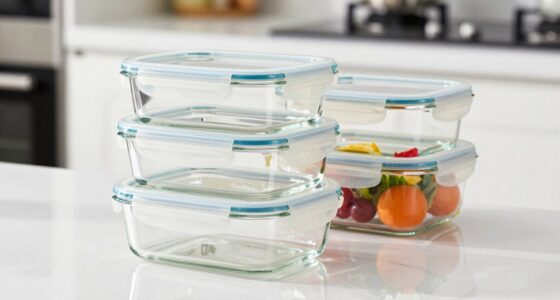
To stop freezer waste, implement an organized inventory system that tracks items accurately, uses clear labels with dates, and follows FIFO principles to minimize spoilage. Choose between digital tools for real-time updates or manual methods for simplicity, ensuring your storage space is well-organized and items are easily accessible. Regularly audit your inventory, monitor temperatures, and connect stock levels with purchasing and menu planning. Keep these tips in mind, and you’ll reduce waste and maximize your freezer’s efficiency.
Key Takeaways
- Implement clear organization with labeled categories and dates to improve visibility and quick access.
- Use FIFO (First-In, First-Out) system to ensure older items are used before newer stock.
- Regularly audit and record inventory to identify expired or spoiled products promptly.
- Utilize digital tracking tools with barcode scanning for accurate, real-time inventory updates.
- Maintain optimal storage conditions and proper spacing to prevent spoilage and extend freezer lifespan.

Warehouse Management and Inventory Control System
As an affiliate, we earn on qualifying purchases.
As an affiliate, we earn on qualifying purchases.
Why Managing Your Freezer Inventory Matters
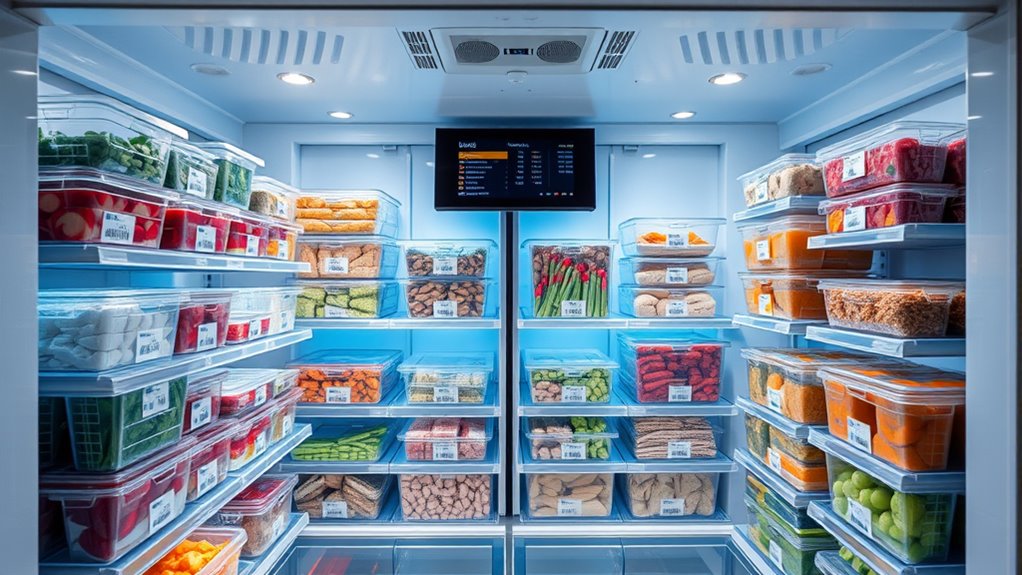
Managing your freezer inventory is essential to prevent waste and save money. Proper organization helps you track what’s inside, reducing the risk of spoiled food and ensuring food safety. When you know exactly what you have, you avoid buying duplicates or unnecessary items, which cuts down on excess energy use. An organized freezer operates more efficiently because it doesn’t have to work as hard to maintain the right temperature. This improves energy efficiency and extends the lifespan of your appliances. Additionally, keeping a detailed inventory minimizes the chance of cross-contamination and foodborne illnesses. By regularly managing your freezer inventory, you promote safer storage practices while also saving money and reducing your environmental impact. Understanding the horsepower of electric dirt bikes can also help you choose energy-efficient models for recreational use.
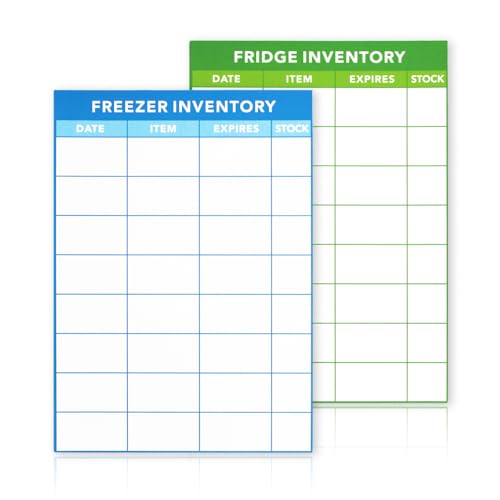
Dry Erase Freezer Inventory Chart,Magnetic Fridge Inventory Trackers,2 Pack Food Checklist,Dry Wipe Inventory List for Freezer,Fridge and Pantry
Our Freezer Organization Magnets Help to Keep Track of What's in Your Freezer Keep track of your freezer…
As an affiliate, we earn on qualifying purchases.
As an affiliate, we earn on qualifying purchases.
Common Challenges in Freezer Storage and Waste
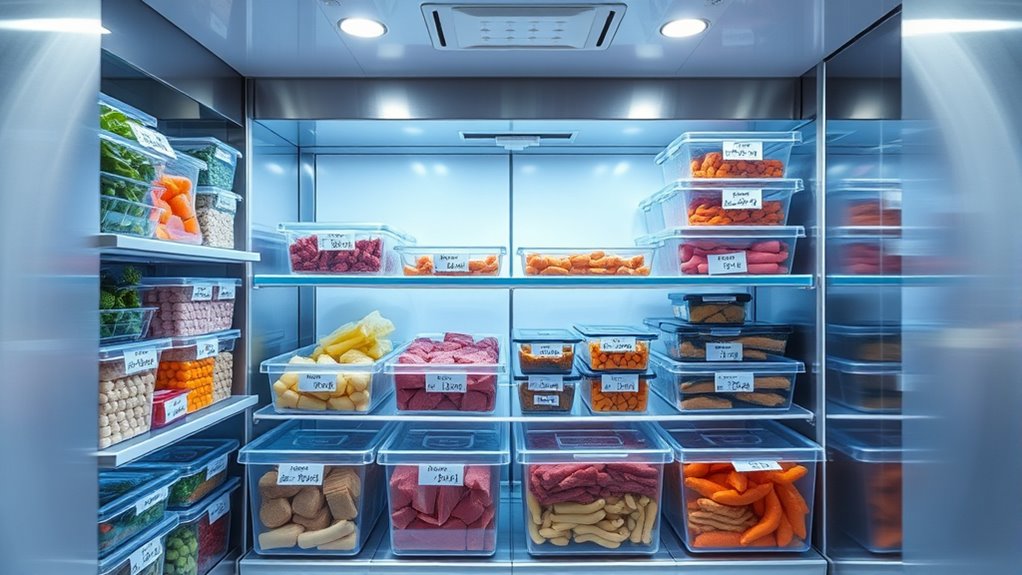
One of the biggest challenges in freezer storage is keeping track of what’s inside, which often leads to forgotten or overlooked items that eventually spoil. Without proper organization, frozen food can become buried, making it hard to see what you have. Using storage containers helps contain items and prevents them from getting lost or damaged. However, inconsistent labeling or stacking can still cause confusion. Over time, you might end up with duplicates or expired products, increasing waste. Limited visibility and poor organization make it difficult to plan meals efficiently or use frozen food before it spoils. To reduce waste, it’s essential to implement a system that keeps track of what’s stored, how long it’s been there, and what needs to be used first. Implementing a smart inventory system can help monitor freezer contents more accurately and prevent unnecessary waste.
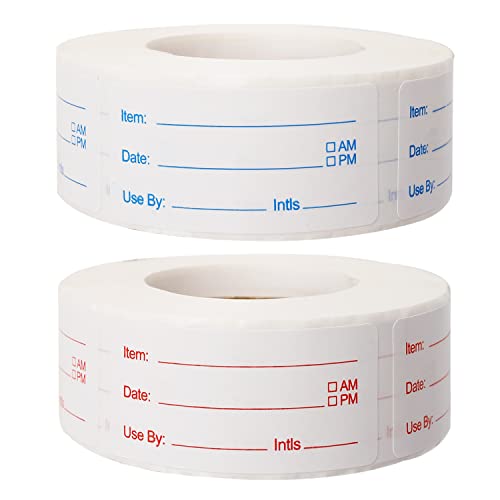
2 Rolls 1000 Pieces Removable Food Labels, 1 x 2 Inch Date Stickers for Freezer, Refrigerator Food Containers – Easy to Write On
【1000 Pcs Food Labels】Our freezer labels set contains 1000 blue and red food labels stickers,large quantity can meet…
As an affiliate, we earn on qualifying purchases.
As an affiliate, we earn on qualifying purchases.
What Makes an Effective Freezer Inventory System
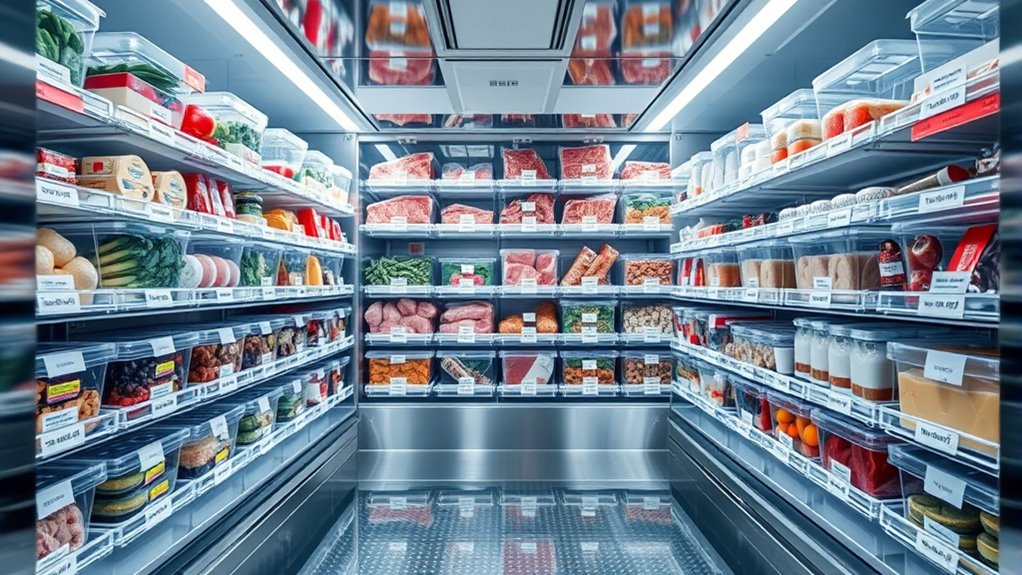
An effective freezer inventory system starts with clear organization and consistent tracking methods. You should implement regular temperature monitoring to ensure your freezer stays within safe ranges, preventing spoilage and waste. Accurate temperature logs help you catch issues early and maintain food quality. Equally important is staff training; your team needs to understand proper storage procedures, labeling, and inventory updates. Well-trained staff can quickly identify expired items, avoid overstocking, and follow protocols for temperature checks. Incorporating local automation can streamline these processes and reduce human error. This combination of vigilant temperature monitoring and thorough staff training creates a reliable system that minimizes waste. When everyone understands their role and follows best practices, your freezer remains efficient, safe, and organized—saving you money and reducing food waste over time.

Heyuzb 8 PACK Freezer Organizer Bins Fridge Organizer Storage Stackable Deep Freezer Storage Bins with Side Handles Refrigerator Organizers and Storage Home Organization Must Haves
HIGH QUALITY FREEZER ORGANIZERS- made of the food-grade PET material. In addition, we have increased the weight by…
As an affiliate, we earn on qualifying purchases.
As an affiliate, we earn on qualifying purchases.
How to Choose Between Digital and Manual Tracking
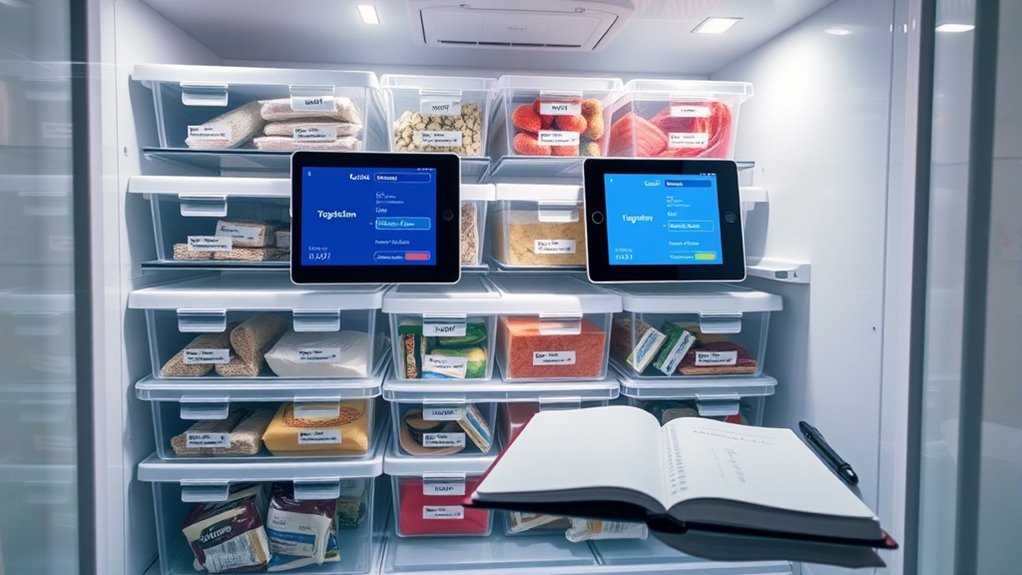
When deciding between digital and manual tracking, consider how easy each method is for you to use daily. Think about the accuracy you need and whether a digital system offers more precise records. Also, weigh the initial cost and ongoing investment to choose the option that best fits your budget and needs. Additionally, high refresh rates in digital projectors can enhance the clarity of fast-moving visuals, which is important if you also use your system for entertainment purposes.
Ease of Use
Choosing between digital and manual tracking for your freezer inventory depends largely on how comfortable you are with technology and how much time you’re willing to invest in managing the system. If you prefer quick updates and easy access, digital tools make tracking items like ice cream and frozen vegetables straightforward. Digital systems often feature barcode scanning or apps that sync with your device, reducing manual effort. On the other hand, manual tracking requires writing down or marking items by hand, which can be simple if you manage a small inventory or prefer low-tech solutions. Manual methods are often more intuitive for those less tech-savvy, but they might take more time to update regularly. Additionally, European cloud innovation promotes the development of energy-efficient and secure digital management systems that can enhance your inventory tracking. Ultimately, choose what fits your routine and comfort level for an easier, more efficient freezer management process.
Accuracy and Precision
Digital tracking systems generally offer higher accuracy because they minimize human error through automated data entry, barcode scanning, and real-time updates. This improves temperature monitoring by ensuring precise records of storage conditions, reducing the risk of spoilage. Accurate tracking depends on consistent staff training to correctly use the system and interpret data. Manual methods, like paper logs, are prone to mistakes, such as skipped entries or illegible handwriting, which compromise precision. Digital systems also enable instant alerts if temperatures drift outside safe ranges, maintaining food safety standards. When choosing a system, consider how well your team can be trained to maintain accuracy, especially in monitoring temperatures and recording inventory. The right balance between automation and staff proficiency ensures reliable, precise freezer management. For more effective management, exploring StyleGuru.org can provide additional insights into maintaining organized and efficient storage systems.
Cost and Investment
Deciding between digital and manual tracking systems hinges on evaluating initial costs, ongoing expenses, and overall investment value. Consider these factors:
- Initial investment: Digital systems often require a higher upfront cost but offer better scalability for larger freezer capacities.
- Maintenance costs: Manual methods have minimal ongoing expenses, while digital systems may incur software updates and hardware repairs.
- Ease of use: Digital systems streamline inventory management, reducing errors even with larger freezer capacities.
- Long-term value: Digital solutions can save time and reduce waste, offsetting higher initial costs over time.
- Understanding relevant regulations can help ensure compliance and avoid penalties when choosing a tracking system.
Ultimately, your choice depends on your freezer capacity, budget, and how much you’re willing to invest for efficiency and accuracy.
Tips for Setting Up Your Freezer Inventory System
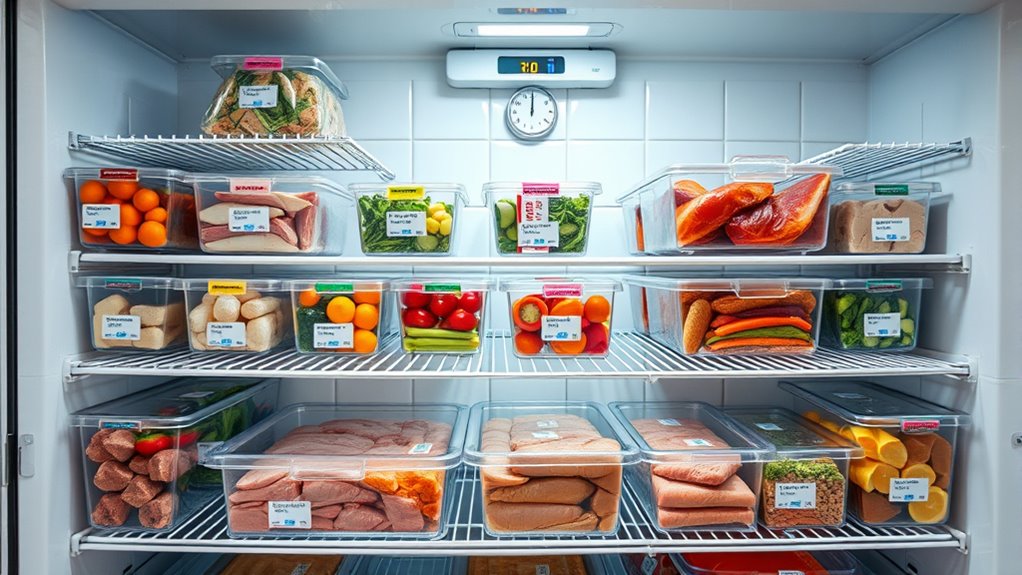
Setting up your freezer inventory system effectively starts with organizing your space and labeling everything clearly. Use consistent labels for categories, expiration dates, and item names to streamline access and reduce confusion. Proper freezer maintenance is vital; regularly defrost and clean to prevent ice buildup, which helps maintain proper temperatures and extends food freshness. Train your staff thoroughly on your inventory procedures, emphasizing the importance of accurate recording and proper storage techniques. Clear guidelines ensure everyone follows the same system, minimizing errors and waste. Invest in durable storage containers and shelving to keep items orderly. Regularly review your setup to identify bottlenecks or clutter, adjusting as needed. A well-organized, maintained system supported by trained staff forms the foundation for minimizing waste and maximizing efficiency. Incorporating proper storage techniques can also help preserve food quality and prevent spoilage.
How to Perform Regular Inventory Checks
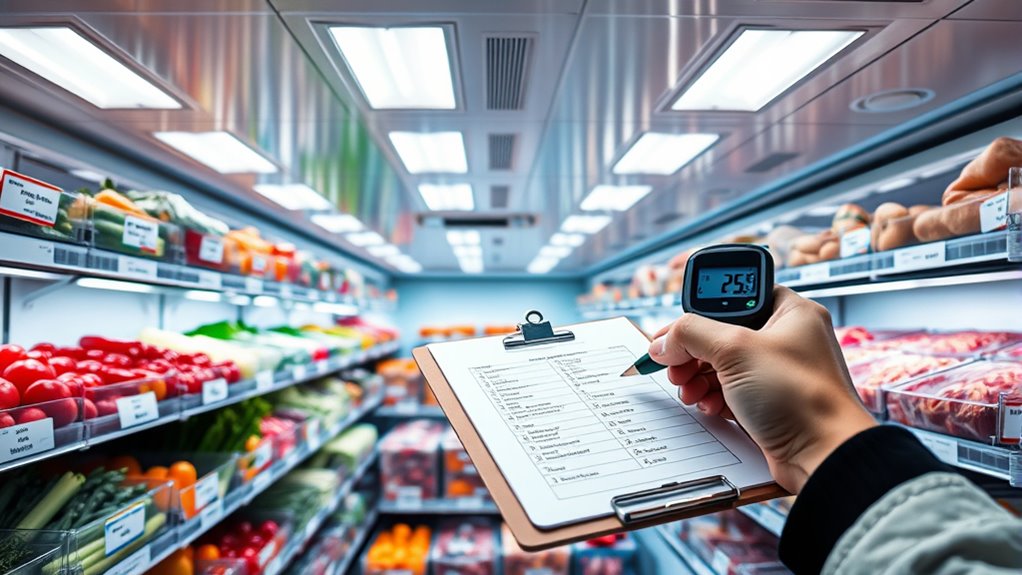
Regular inventory checks are essential to keep your freezer organized and prevent food waste. They help you stay aware of what’s inside, including frozen snacks and ice cube supplies. To perform effective checks:
- Remove all items and wipe down shelves to get a clear view.
- Sort frozen snacks, noting expiration dates to discard expired ones.
- Count ice cube trays and refill or replace as needed.
- Record what’s inside in your inventory list to track stock levels.
- Incorporate landscaping elements into your outdoor space to create a more inviting environment, which can motivate regular freezer checks by making the overall backyard more appealing.
This process ensures you know what you have, avoid duplicate purchases, and manage ice cube supplies efficiently. Regularly checking also helps identify items that are nearing spoilage, reducing waste and maintaining a well-organized freezer. Stick to this routine for ideal freezer management.
Using FIFO to Prevent Food Spoilage

To prevent food spoilage and keep your freezer organized, adopting the FIFO (First-In, First-Out) method is essential. This approach guarantees proper food rotation, so older items are used before newer ones. When loading new stock, place it behind the existing items, forcing you to use older products first. FIFO helps prevent spoilage by reducing the chance of food sitting too long and going bad. Regularly check expiration dates and move older items to the front of your freezer. This simple practice keeps your inventory fresh and minimizes waste. Additionally, understanding quality assessment can help you better identify which items need to be used sooner. By consistently applying FIFO, you improve spoilage prevention and maintain a more efficient, organized freezer. It’s a straightforward technique that saves money and ensures your food stays safe and high-quality longer.
How Labels and Scanning Improve Tracking Accuracy
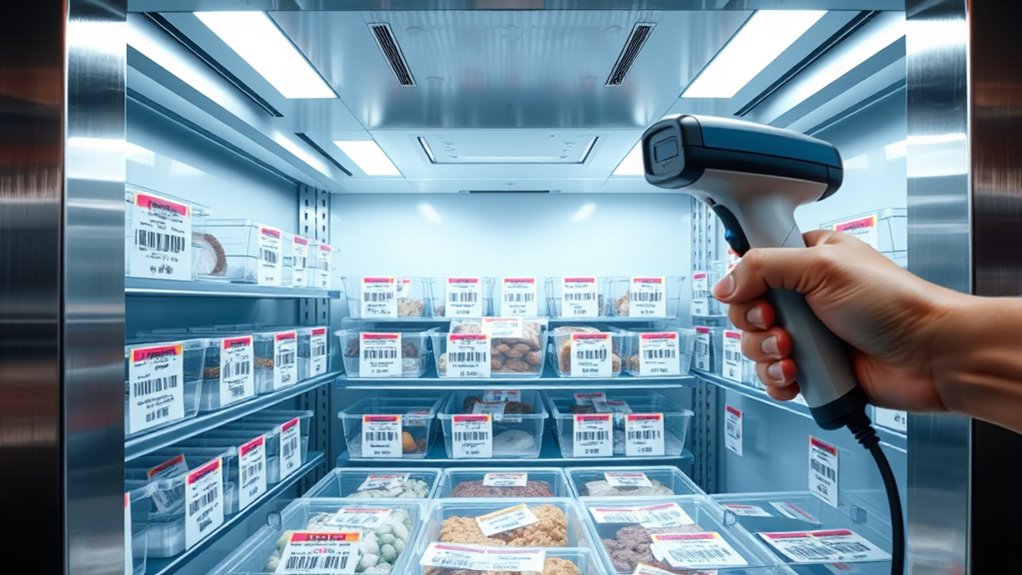
Clear labeling strategies help you identify items quickly and reduce mistakes. Barcode scanning offers precise, fast updates, minimizing human error. With real-time inventory updates, you keep better track of stock levels and expiration dates effortlessly.
Clear Labeling Strategies
Effective labeling is vital for maintaining an accurate freezer inventory, as it guarantees that each item can be quickly identified and tracked. Clear labeling strategies help prevent confusion and waste. Consider these techniques:
- Use consistent labeling techniques, such as clear, legible text and standardized formats.
- Implement color coding to categorize items by type or expiry date, making it easier to locate and prioritize.
- Ensure labels are durable and resistant to cold and moisture to stay intact during storage.
- Place labels in visible, accessible spots to avoid misplacement or oversight.
Barcode Scanning Benefits
Barcode scanning markedly enhances tracking accuracy in freezer inventory systems by automating data entry and reducing human errors. The barcode benefits include quick, reliable data capture that minimizes mistakes caused by manual input. Scanning advantages allow you to easily track item locations, expiration dates, and quantities with a simple scan, saving time and increasing precision. When labels are equipped with barcodes, you eliminate the risk of misreading handwritten notes or entering incorrect data. This streamlined process ensures your inventory records are consistently accurate, helping prevent overstocking or spoilage. Plus, barcode scanning integrates seamlessly with your existing management software, providing a clear, real-time view of stock levels. Overall, adopting barcode benefits considerably improves inventory tracking while reducing waste and increasing operational efficiency.
Real-Time Inventory Updates
Implementing labels with barcodes and scanning technology allows your freezer inventory system to update in real time, providing immediate visibility into stock levels. This accuracy helps you monitor freezer temperature fluctuations and maintain ideal food safety standards. With real-time updates, you can:
- Quickly identify expired or spoiled items, reducing waste.
- Ensure proper temperature control by tracking stock movements.
- Avoid overstocking or shortages that compromise food safety.
- Save time by automating manual inventory counts and updates.
Connecting Inventory Data With Buying and Menus
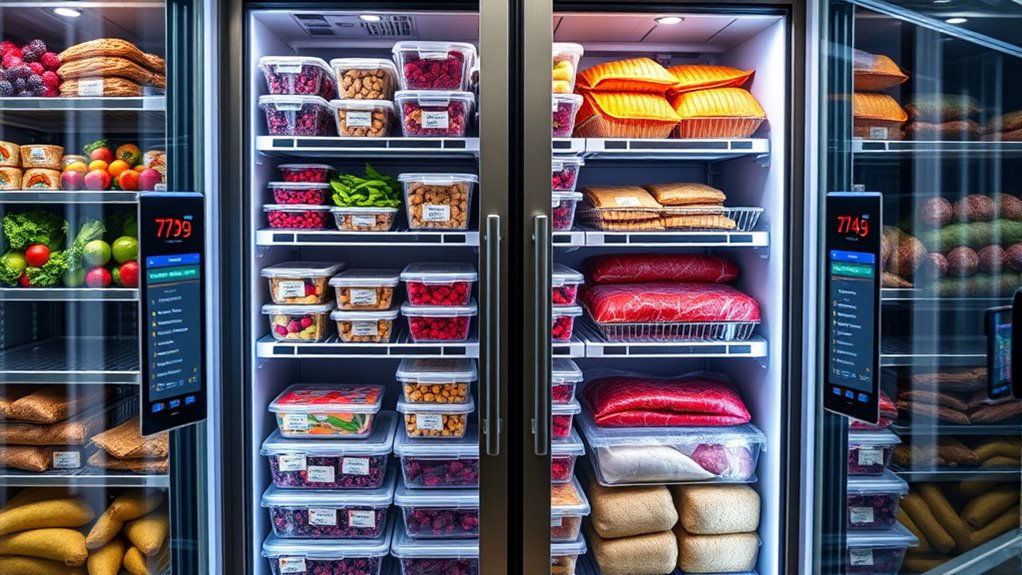
Connecting your inventory data with buying decisions and menu planning guarantees you utilize your available ingredients efficiently. With effective inventory integration, you can track what’s on hand and determine what needs replenishing, reducing overstock and waste. By linking your inventory system to your supply chain, you gain real-time insights into stock levels, enabling smarter purchasing. This connection helps you avoid emergency orders or shortages, ensuring you always have the right ingredients for your menu. You can identify which items sell best and adjust your buying patterns accordingly. Additionally, integrating inventory data with menu planning allows you to design dishes based on available supplies, minimizing waste and maximizing profitability. This streamlined approach keeps your kitchen running smoothly while keeping waste and costs down.
How to Keep Improving Your Freezer System
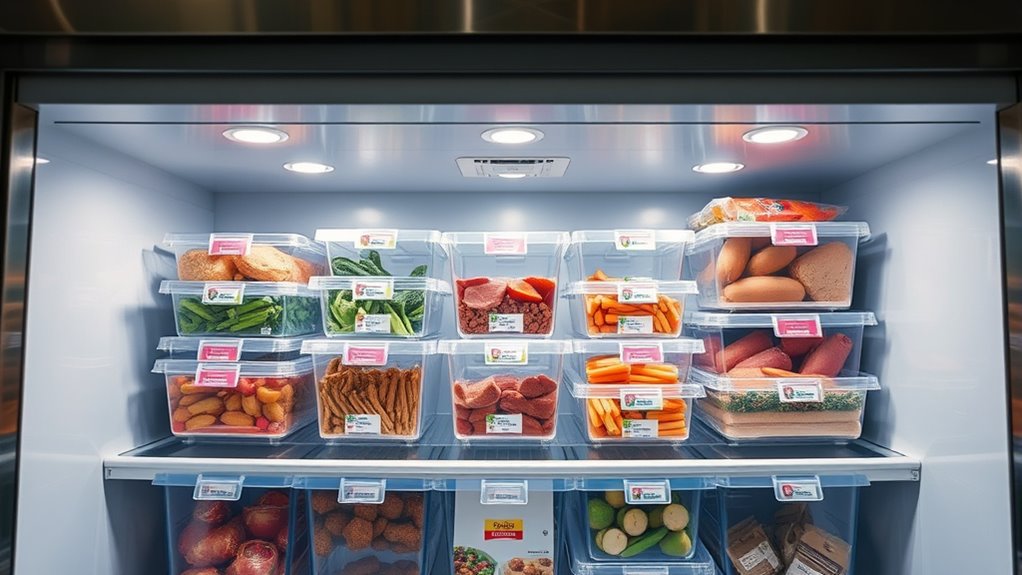
To keep your freezer system running smoothly, regularly check your inventory to catch discrepancies early. Using clear labels and organized storage makes it easier to find and rotate items efficiently. Continuously adjusting your layout based on usage patterns helps maximize space and maintain ideal freshness.
Regular Inventory Audits
Regular inventory audits are essential for maintaining an efficient and accurate freezer system. They help identify expired items, prevent overstocking, and guarantee consistent quality. During audits, focus on these key steps:
- Check temperature monitoring devices to confirm proper freezer temperatures.
- Verify inventory levels against records to spot discrepancies.
- Train staff regularly on proper handling and data entry to improve accuracy.
- Remove expired or spoiled items promptly to reduce waste.
Consistent audits keep your system on track, promote accountability, and improve your overall operation. Staff training ensures everyone understands the importance of accurate record-keeping. Regular checks help catch issues early, saving money and reducing waste. Staying diligent with audits creates a reliable, efficient freezer system that minimizes loss and maximizes freshness.
Implement Labeling Systems
Implementing a clear and consistent labeling system is one of the most effective ways to keep your freezer organized and improve your inventory management. Proper labeling techniques guarantee you can quickly identify contents, track expiration dates, and maintain inventory accuracy. Use labels that include item name, date stored, and quantity. Color-coded labels can further streamline sorting and retrieval. Regularly update labels as items are used or replenished. Here’s an example of an effective labeling system:
| Item | Label Details |
|---|---|
| Frozen vegetables | Name, date, quantity, expiration |
| Meat | Cut type, storage date, weight |
| Seafood | Species, date, weight |
| Berries | Variety, date, quantity |
| Prepared meals | Name, prep date, portion size |
This approach minimizes waste and boosts inventory accuracy.
Optimize Storage Layout
Enhancing your freezer’s storage layout is key to maximizing space and improving accessibility. Start by implementing effective shelf organization to categorize items clearly. Next, use temperature monitoring devices to guarantee ideal storage conditions and prevent waste. Then, arrange frequently used items at eye level or near the door for quick access. Finally, leave space between packages for airflow, promoting even temperature distribution. These steps help you identify spoilage early, optimize space, and maintain consistent temperatures. Regularly review and adjust your layout to accommodate new stock and seasonal changes. An organized, well-monitored freezer minimizes waste, saves time, and keeps your inventory under control. Keeping these principles in mind, you’ll create a system that’s both efficient and adaptable.
Frequently Asked Questions
Can a Freezer Inventory System Be Integrated With Existing Kitchen Management Tools?
Yes, a freezer inventory system can be integrated with your existing kitchen management tools. You’ll benefit from seamless inventory synchronization, ensuring accurate stock levels across all platforms. Just check the software compatibility beforehand; most modern systems support integration via APIs or plugins. This way, you streamline operations, reduce waste, and improve overall efficiency, making your kitchen management more effective and less prone to errors.
What Are the Initial Costs Involved in Implementing a Digital Freezer System?
Cost concerns can cause confusion, but careful cost analysis clarifies expenses. You’ll face equipment expenses like sensors, scanners, and software licenses. Initial investment includes purchasing, installing, and integrating these tools into your existing kitchen setup. You might also need staff training, which adds to startup costs. While the upfront costs seem significant, the savings from reduced waste and improved efficiency quickly justify the investment, making your freezer management smarter and more sustainable.
How Secure Is My Inventory Data From Unauthorized Access?
Your inventory data is quite secure with proper measures in place. We use data encryption to protect your information from unauthorized access, ensuring that only authorized personnel can view sensitive data. Additionally, access controls limit who can access or modify your inventory, providing an extra layer of security. Regular security updates and monitoring help prevent breaches, so you can trust that your data stays safe and confidential.
What Training Is Necessary for Staff to Effectively Use the System?
Think of staff training as planting seeds for a thriving garden; it’s essential for your team to grow system proficiency. You need to provide hands-on sessions, clear instructions, and ongoing support to guarantee everyone can navigate the system confidently. Regular updates and practice reinforce skills, turning your team into expert users. This investment helps prevent waste and keeps your inventory flowing smoothly, like a well-tuned orchestra.
How Does the System Handle Unexpected Freezer Outages or Power Failures?
During freezer outages or power failures, your system activates a power backup, like generators or UPS, to maintain temperature control. It automatically alerts staff through emergency protocols, ensuring quick response. You should regularly test these backup systems and train staff on emergency procedures, so everyone knows how to act swiftly. This approach minimizes waste and preserves food safety, even during unexpected outages.
Conclusion
Now that you know the secrets to a smarter freezer system, imagine what you could save—and how much fresher your meals could be. But the real breakthrough lies ahead. Are you ready to discover even more efficient techniques that could transform your kitchen forever? Stay tuned, because the next step might just change how you think about food storage — and your waste problem — for good. Don’t miss out on what’s coming next.