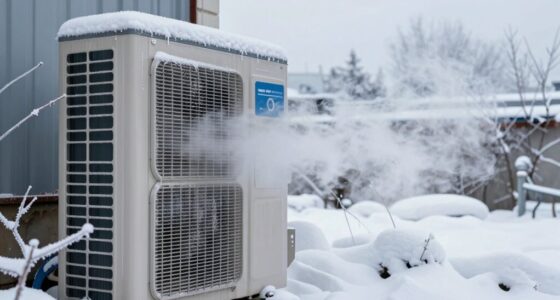
If your wood stove isn’t drafting well, smoke can back up into your home, which often happens if your chimney is blocked, cold, or improperly ventilated. Creosote buildup from burning wood reduces airflow and increases fire risk, so regular cleaning is essential. Proper chimney height, cap, and ventilation help maintain strong draft. If these issues persist, your stove’s efficiency drops, and safety may be compromised. Keep going to discover how to fix these common problems effectively.
Listen free for 30 days with Audible
Thousands of audiobooks and originals — cancel anytime.
As an affiliate, we earn on qualifying purchases.
Key Takeaways
- Poor draft causes smoke to back up into the home, often due to blocked or cold chimneys.
- Creosote buildup restricts airflow and increases fire risk if not regularly cleaned.
- Insufficient chimney height or improper placement impairs proper draft and ventilation.
- Wind and negative pressure can interfere with chimney airflow, leading to smoke spillage.
- Regular chimney maintenance, including cleaning and installing caps, improves draft and prevents smoke backup.
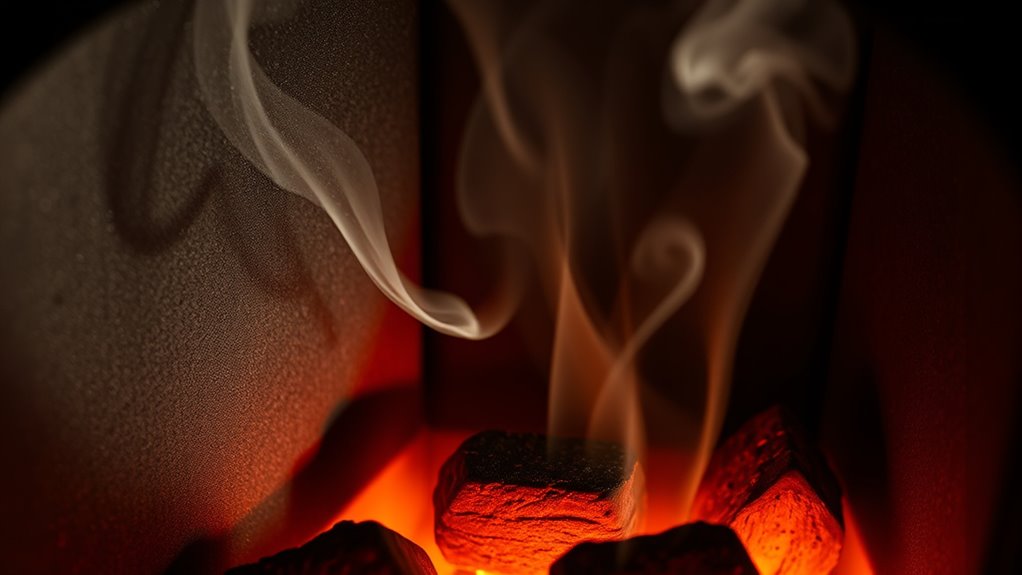
Ever wondered how to warm your home efficiently while reducing energy costs? If you’ve got a wood stove, understanding how draft, creosote buildup, and smoke backups work is essential. One of the common issues many face is ventilation problems, which can cause smoke to back up into your living space instead of venting outside. Proper chimney maintenance is key to preventing these problems and ensuring your stove operates safely and effectively.
When your wood stove isn’t drafting properly, smoke can escape into the room instead of going up the chimney. This often happens due to ventilation issues, such as a blocked or dirty chimney, or insufficient airflow around the stove. A chimney that’s clogged with creosote—an tar-like byproduct of burning wood—restricts airflow and hampers the draft. Regular chimney maintenance, including inspection and cleaning, helps remove creosote buildup and ensures the flue is clear. Without adequate maintenance, creosote can accumulate quickly, increasing fire risk and decreasing the efficiency of your stove.
You might notice smoke backing up into your room when the draft isn’t strong enough. Several factors can cause this, including a cold chimney, wind interference, or improper placement of the stove. If the chimney isn’t heated properly, the warm air inside it won’t rise effectively, creating a negative pressure that pulls smoke back into your home. Wind blowing down the chimney can also create a backdraft, especially if the chimney height isn’t adequate or if the cap isn’t functioning correctly. Addressing these ventilation issues involves ensuring your chimney is properly designed, free of obstructions, and maintained regularly.
Chimney maintenance is not just about cleaning; it’s about creating a safe, efficient environment for your wood stove. You should schedule annual inspections, especially before the heating season begins. During these inspections, professionals can identify and remove creosote deposits, check for cracks or damage, and verify that the chimney cap is functioning correctly. Installing a good quality chimney cap can prevent debris, animals, and water from entering, all of which can worsen ventilation issues. Additionally, ensuring proper clearance around your stove and adequate airflow in the room helps maintain a strong draft.
As an affiliate, we earn on qualifying purchases.
Frequently Asked Questions
How Often Should I Clean My Stove’s Chimney?
You should clean your stove’s chimney at least once a year to prevent creosote buildup, which can cause dangerous chimney fires. Regular chimney inspections help identify any blockages or damage early. If you burn wood frequently or notice smoke backing up, consider more frequent cleanings. Staying on top of chimney maintenance guarantees your stove operates efficiently and safely, giving you peace of mind during colder months.
What Types of Wood Produce Less Creosote?
You should burn hardwoods like oak, maple, and ash, which produce less creosote compared to softwoods. These types of wood burn hotter and more completely, reducing creosote buildup. Additionally, low odor woods such as fruitwoods (like apple and cherry) also generate less creosote and have a pleasant smell. Always use well-seasoned wood to minimize creosote formation, and avoid green or wet wood for a cleaner, safer burn.
Can Draft Issues Be Fixed Without Professional Help?
Did you know that nearly 70% of draft problems can be fixed without professional help? You can try DIY fixes like cleaning your chimney and ensuring vents are clear. Venting solutions such as adjusting the damper or adding a chimney cap often improve airflow. However, if problems persist or you’re unsure, consulting a professional is safest. Proper venting keeps your stove burning efficiently and prevents smoke back-up.
How Does Altitude Affect Stove Performance?
Altitude effects can diminish your stove’s efficiency because lower air pressure at higher elevations makes it harder for the draft to pull smoky air out. You’ll notice your stove struggles to stay lit or burns less cleanly. To fix this, you might need to adjust the damper or install a draft enhancer. These changes help improve your stove’s performance and ensure it operates effectively despite altitude challenges.
Are There Safety Devices to Prevent Smoke Backflow?
Smoke backflow can be dangerous, but safety devices like draft regulators and backflow preventers help prevent it. While draft regulators control the airflow, backflow preventers stop smoke from re-entering your home, providing peace of mind. You should install these devices correctly and regularly inspect them to guarantee they’re functioning properly. These safety measures act as your home’s first line of defense, keeping your living space safe and smoke-free.
As an affiliate, we earn on qualifying purchases.
Conclusion
To keep your wood stove burning safely and efficiently, always guarantee proper draft and regular chimney cleaning. For example, if you notice creosote buildup, it can cause dangerous smoke backs like it did for a homeowner who faced a chimney fire. Regular inspections and proper operation prevent such issues. Remember, a well-maintained stove not only heats your home better but also keeps your family safe from smoke and fire hazards. Stay vigilant and enjoy cozy, safe fires all winter long.
As an affiliate, we earn on qualifying purchases.
As an affiliate, we earn on qualifying purchases.
NFL season / tailgating Picks
team gear
As an affiliate, we earn on qualifying purchases.