Appliance standby load is the hidden power most devices use even when turned off, to keep features like remote control, displays, or timers functioning. This small but constant energy drain can add up and increase your electricity bills over time. You can cut this waste by unplugging devices or using smart power strips. To learn how much this sneaky energy use impacts your home and ways to reduce it, keep exploring further.
Key Takeaways
- Standby load is the hidden power consumed by appliances when turned off but still plugged in.
- Many devices, like TVs and chargers, draw power in standby mode, often unnoticed.
- This invisible energy drain can account for 5-10% of household electricity use.
- Using smart plugs or unplugging devices can eliminate this unseen standby load.
- Upgrading older appliances with energy-efficient models reduces unseen standby power consumption.
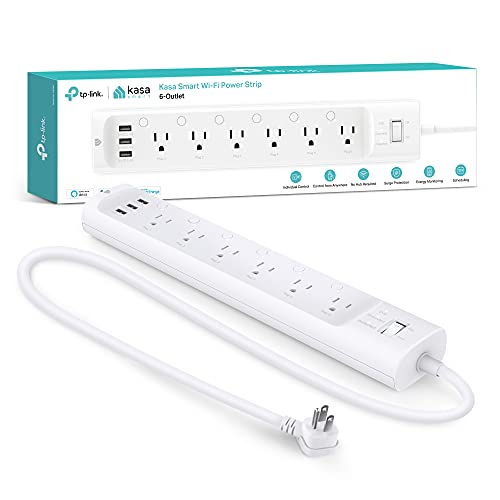
Kasa Smart Plug Power Strip HS300, Surge Protector with 6 Individually Controlled Smart Outlets and 3 USB Ports, Works with Alexa & Google Home, No Hub Required
6 smart outlets: Independently control 6 smart outlets, and charge 3 devices with built in USB ports; Ideal…
As an affiliate, we earn on qualifying purchases.
As an affiliate, we earn on qualifying purchases.
What Is Standby Load and How Does It Work?
Many household appliances continue to use electricity even when they are turned off, a phenomenon known as standby load. This small but consistent power consumption occurs because devices need to maintain functions like remote control readiness, digital displays, or timers. Standby load impacts your energy savings over time, adding to your electricity bill without your direct awareness. Understanding how it works helps you make better choices to extend your device lifecycle by reducing unnecessary power use. While standby power might seem minor, the cumulative effect across multiple appliances can be significant. By being aware of standby load, you can take steps to cut down on energy waste and prolong your devices’ lifespan, ultimately saving money and reducing your environmental footprint. Additionally, energy efficiency measures can help you identify which appliances contribute the most to standby consumption and how to mitigate it effectively.

TP-Link 𝗧𝗮𝗽𝗼 Smart Plug Wi-Fi Mini, Energy Monitoring, Compatible with Alexa & Google Home & Samsung SmartThings, Timer, 15A/1800W Max, ETL Certified, 2.4G Wi-Fi Only, Tapo P115(4-Pack)
【Insightful Energy Tracking】Track your plug's energy use with clear and easy-to-understand statistics and intuitive charts, helping you optimize…
As an affiliate, we earn on qualifying purchases.
As an affiliate, we earn on qualifying purchases.
How Much Energy Does Standby Power Use?
Have you ever wondered how much energy your appliances waste when they’re turned off? Standby power can silently drain your energy, often amounting to 5-10% of your household’s electricity use. Small devices like chargers, TVs, and computers may only use a few watts each, but combined, they add up quickly. Using smart plugs helps you monitor and control this energy drain, turning devices off completely when not in use. Conducting energy audits allows you to identify high standby power consumers and take steps to reduce waste. Even a modest reduction can save you money over time and lower your carbon footprint. Understanding how much standby power your appliances use empowers you to take targeted actions and make smarter energy choices. Smart home technology solutions can further optimize energy management and reduce standby power consumption.
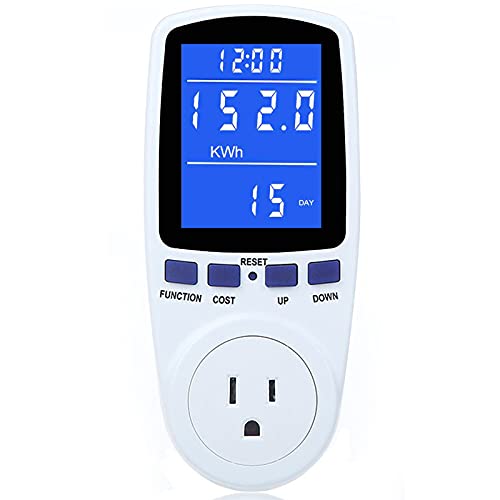
Upgraded Watt Power Meter Plug Home Electrical Usage Monitor Consumption, Energy Voltage Amps Kill Tester with Backlight, Overload Protection, 7 Modes Display
Various Monitoring Parameters: The power meter plug can monitor the power (W), energy (kWh), volts, amps, hertz, power…
As an affiliate, we earn on qualifying purchases.
As an affiliate, we earn on qualifying purchases.
How Standby Power Adds to Your Bills
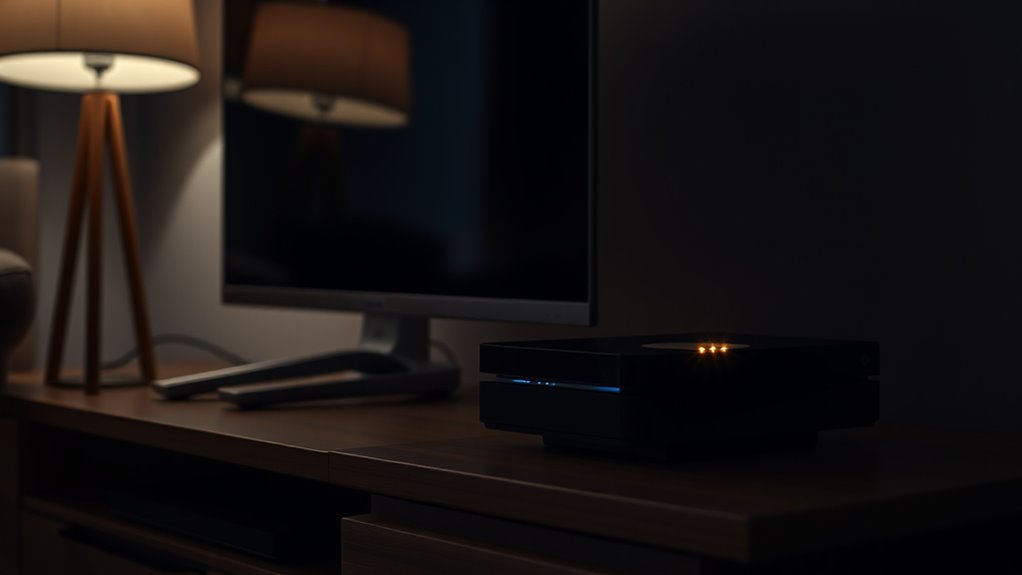
Ever wondered how those small amounts of standby power can add up on your monthly bills? Over time, these tiny energy drains can substantially increase your electricity costs. Conducting energy audits helps identify devices that waste power even when off. Power management strategies, like unplugging unused appliances or using smart power strips, can drastically reduce unnecessary standby energy use. Understanding home energy systems and how they operate can further enhance your ability to cut costs.

TREEWELL Remote Control Outlet, 200FT Long Range Wireless Light Switch, Mini Electrical Outlet Plug, 15A/1875W High-Power for Lamps, Lights, Household Appliances, FCC & ETL Listed
Easy to Use, Instant ON and OFF – Plug and play! Remotely turn on/off lighting fixtures, lamps, hard-to-reach…
As an affiliate, we earn on qualifying purchases.
As an affiliate, we earn on qualifying purchases.
Simple Ways to Cut Standby Power at Home

Reducing standby power at home is a straightforward way to lower your electricity bills without sacrificing convenience. One effective method is to use devices with smart power features that automatically switch off when not in use. Installing smart plugs can help you control and schedule when appliances draw power, preventing unnecessary energy drain. Additionally, energy monitoring tools give you real-time insights into your device consumption, making it easier to identify standby loads you can cut. Unplug devices that don’t need to stay powered, or turn them off completely when not in use. Understanding phantom loads can help you target hidden energy wasters more effectively. These simple steps help minimize phantom loads, saving you money and reducing your environmental impact. By actively managing your appliances’ standby power, you take control of your energy use with minimal effort.
When Should You Upgrade Devices for Better Efficiency?
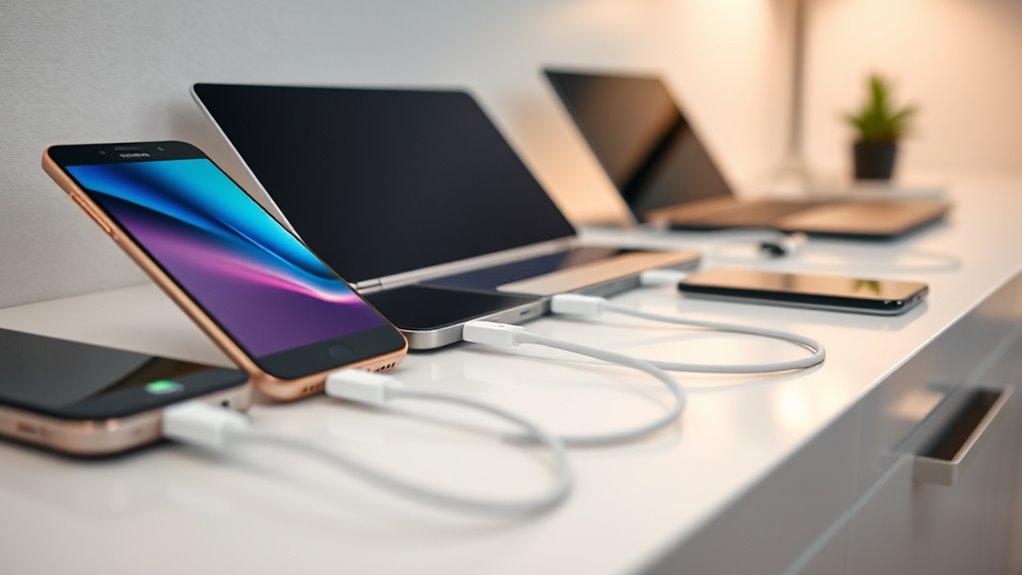
Knowing when to upgrade your devices can substantially boost your home’s energy efficiency and save you money in the long run. If your appliances are outdated or lack smart power features, it’s time to contemplate an update. Modern appliances often have better energy ratings and smarter controls that reduce standby power consumption. Additionally, newer models may incorporate energy-saving features that optimize power use during both active and standby modes.
Here are three signs to look for:
- Your device is over 10 years old and consumes more power than newer models.
- It lacks smart power options, making it harder to manage energy use.
- Repairs become frequent and costly, indicating the device is nearing the end of its lifespan.
Upgrading appliances not only improves efficiency but also helps you benefit from the latest energy-saving technology.
Frequently Asked Questions
Which Household Devices Consume the Most Standby Power?
You’ll find that your entertainment devices, like TVs and gaming consoles, consume the most standby power. To cut down on this hidden energy use, consider using energy-efficient outlets and plugging devices into them. Standby power meters help you identify which devices drain power even when off. By monitoring and managing these devices, you can substantially reduce your energy bills and minimize unnecessary energy waste.
Can Unplugging Devices Completely Eliminate Standby Load?
Unplugging devices does substantially reduce standby load, but it may not be practical for all. To maximize energy savings, use energy-efficient outlets or smart power strips that cut power when devices aren’t in use. Consider power strip considerations, like choosing models with individual switches, so you can easily turn off multiple devices at once. This way, you prevent unnecessary energy drain without constantly unplugging everything.
Are There Any Safety Concerns With Unplugging Appliances Regularly?
Unplugging appliances regularly is generally safe, but be aware of safety hazards like potential power surges when reconnecting devices. Always handle plugs carefully to avoid electrical shocks. If you notice damaged cords or outlets, don’t force the plug; instead, get them repaired. Unplugging can prevent electrical fires and reduce standby power, but always follow safety guidelines to protect yourself and your appliances from accidental damage.
How Do Smart Devices Contribute to Standby Energy Consumption?
Smart devices are like sleepwalkers, quietly consuming power even when not in use. They contribute to standby energy consumption by remaining connected, ready to respond to commands or updates. To save energy, you should practice energy saving tips like smart device management—unplugging devices when not needed or using power strips. This prevents unnecessary energy drain, helping you cut costs and reduce your carbon footprint effortlessly.
What Are the Environmental Impacts of Standby Power Waste?
Standby power waste harms the environment by increasing energy consumption, which contributes to pollution and accelerates climate change. If you focus on energy conservation, you can reduce this unnecessary energy use, helping to lower greenhouse gas emissions. Using renewable energy sources further diminishes the environmental impact. By unplugging devices or using smart power strips, you actively cut standby power waste, supporting a healthier planet and more sustainable energy habits.
Conclusion
Did you know that standby power accounts for about 10% of household energy use? By unplugging devices or using smart power strips, you can cut this hidden energy drain and save money. Taking small steps to reduce standby loads not only lowers your bills but also benefits the environment. Don’t overlook these sneaky energy wasters—your wallet and planet will thank you for making simple changes today.