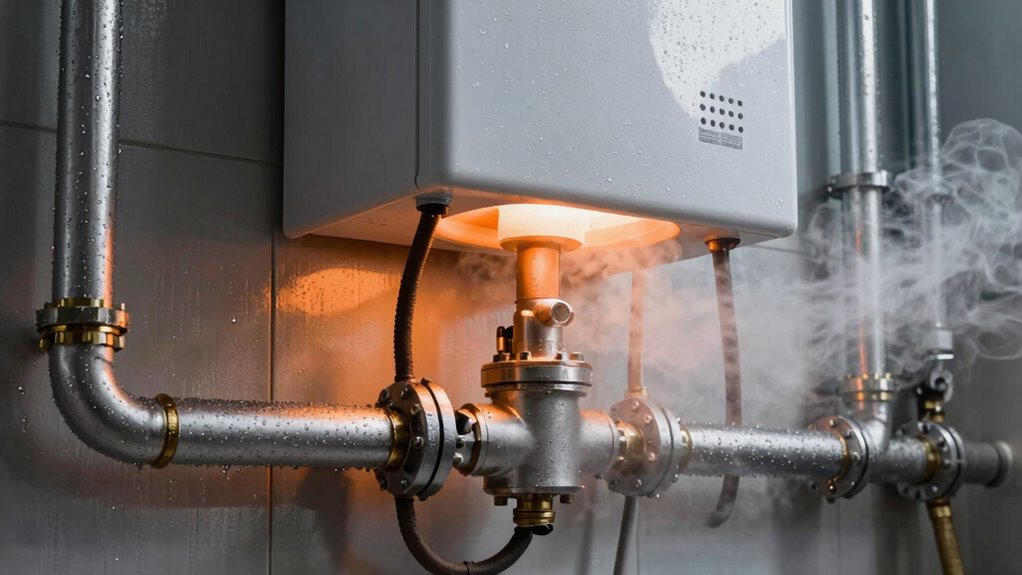

Hot water isn’t just a utility—it’s an energy system that involves managing heat transfer, storage, and usage. Your system uses sources like solar, gas, or electricity to generate and maintain hot water efficiently. Proper insulation, storage tanks, and smart controls help reduce waste and save energy. Understanding this system can help you lower costs and environmental impact. Keep exploring to learn how to optimize your hot water setup even further.
Key Takeaways
- Hot water involves energy transfer, storage, and management, making it a complex system rather than just a utility.
- Efficient hot water systems depend on energy sources like solar, geothermal, or electric power, highlighting their systemic nature.
- Proper insulation, scheduling, and storage optimize energy use, emphasizing hot water’s role as an integrated system.
- Managing hot water consumption impacts energy efficiency and environmental footprint, reflecting its systemic energy dynamics.
- Viewing hot water as an energy system promotes sustainable practices and responsible management beyond its utility function.
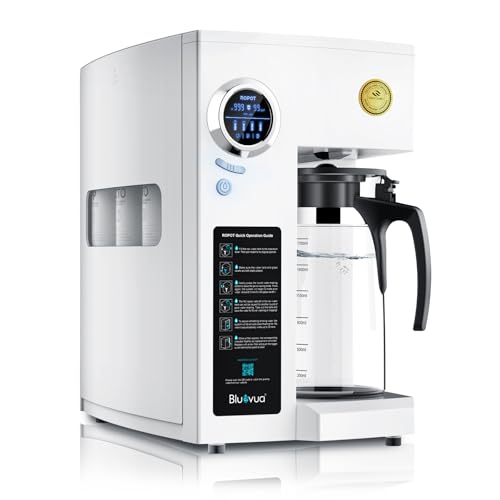
Bluevua RO100ROPOT Countertop Reverse Osmosis Water Filter System, Portable RO Filtration with Remineralization, No Installation, WQA Certified - ROPOT-UV, 6-Stage RO
6-STAGE ADVANCED FILTRATION WITH UV LIGHT: The Bluevua RO100ROPOT-UV boasts a superior 6-stage filtration system, featuring a 0.0001μm...
As an affiliate, we earn on qualifying purchases.
What Makes Hot Water an Energy System?
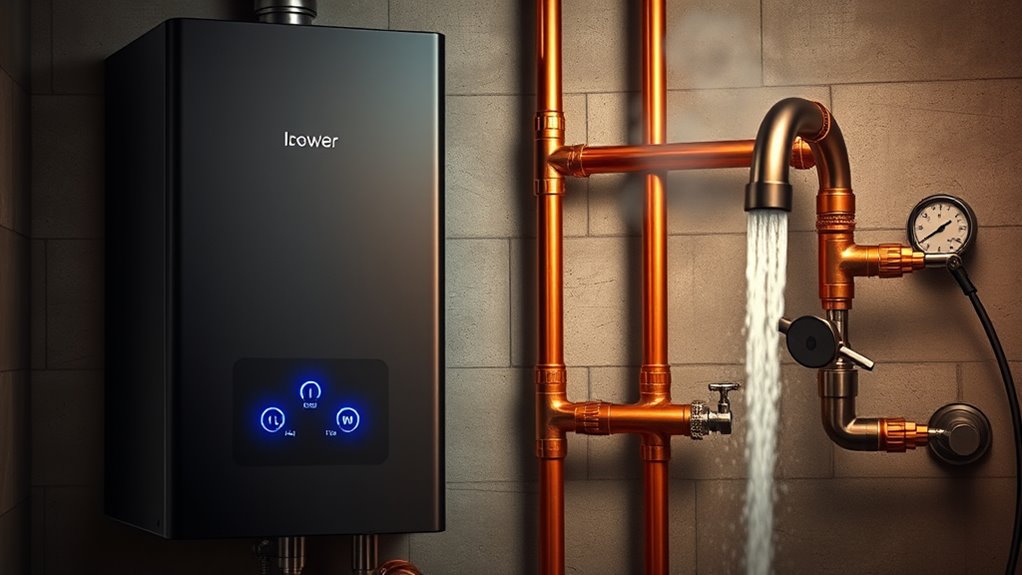
Hot water qualifies as an energy system because it involves the transfer, storage, and utilization of energy to produce a useful thermal output. This process is rooted in thermal dynamics, where heat moves from a source to water, changing its temperature. You’re actively engaging in energy conversion as energy from electricity, gas, or solar power transforms into heat within the water. This conversion is fundamental to how the system operates, enabling hot water to serve your needs efficiently. By managing energy flow, storage, and transfer, the system sustains a continuous supply of hot water. Recognizing this interplay confirms that hot water systems are more than utilities—they’re integrated energy systems driven by principles of thermal dynamics and energy conversion. Understanding these systems also involves considering the efficiency of energy transfer and storage, which impacts overall performance.

LEVOIT Air Purifier for Home Large Room Up to 1073Ft² with Air Quality Monitor, AHAM VERIFIDE, Smart WiFi, Washable Pre-Filter, HEPA Sleep Mode for Pets, Allergies, Dust, Pollen, Vital 100S-P, White
𝐖𝐇𝐘 𝐂𝐇𝐎𝐎𝐒𝐄 𝐀𝐇𝐀𝐌 𝐕𝐄𝐑𝐈𝐅𝐈𝐃𝐄 𝐀𝐈𝐑 𝐏𝐔𝐑𝐈𝐅𝐈𝐄𝐑𝐒: AHAM (Association of Home Appliance Manufacturers) is an ANSI-accredited organization that sets...
As an affiliate, we earn on qualifying purchases.
What Are the Main Parts of a Hot Water System?
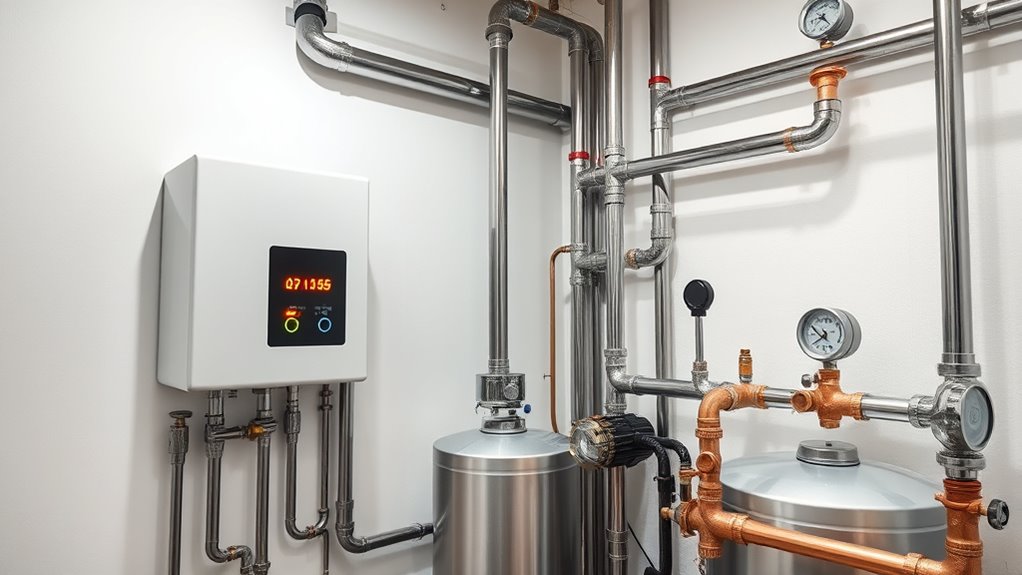
A hot water system consists of several key components that work together to generate, control, and deliver thermal energy. The main parts include the boiler components or water heater, which heats the water; the storage tank, where hot water is stored until needed; and the distribution system, such as pipes and valves, that deliver hot water to fixtures. Different water heater types—like tankless, storage tank, or heat pump models—have unique components but share these essential parts. The thermostat regulates temperature, ensuring safety and efficiency, while the control systems manage operation cycles. Understanding these main parts helps you grasp how your hot water system functions as an energy system, not just a utility. Additionally, the efficiency of these components can significantly influence overall energy consumption and cost.

Bluevua RO100ROPOT-Lite(UV) Countertop Reverse Osmosis Water Filter System, 7-Stage Purification with UV and Remineralization, 3:1 Pure to Drain, Portable Water Purifier (Blue)
COUNTERTOP DESIGN WITH PREMIUM-QUALITY CARAFE AND ENHANCED FILTRATION: This plug-and-play water purifier requires no installation or plumbing, simplifying...
As an affiliate, we earn on qualifying purchases.
Which Energy Sources Power Hot Water?
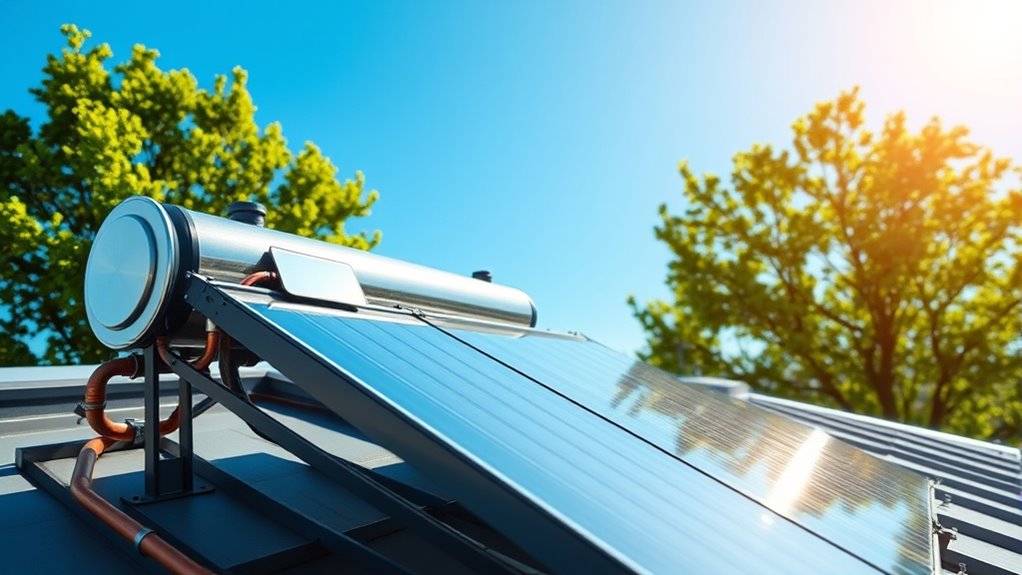
Have you ever wondered what fuels your hot water system? Many homes use solar heating to harness the sun’s energy, making it an eco-friendly option that reduces reliance on traditional power sources. Solar collectors absorb sunlight and convert it into heat, which then warms your water. Another sustainable option is geothermal energy, which taps into the Earth’s natural heat. Geothermal systems use underground reservoirs to generate consistent, reliable hot water without burning fossil fuels. These renewable energy sources not only cut your carbon footprint but can also lower energy bills over time. Additionally, European cloud innovation supports the development of smart, energy-efficient infrastructure that enhances sustainable energy management. While electric and gas systems are common, solar heating and geothermal energy are increasingly popular for their sustainability and efficiency. They demonstrate how energy sources can power hot water in environmentally conscious ways.

Waterdrop G3P600 Reverse Osmosis System, 8 Stage Tankless Reverse Osmosis Water Filter, NSF/ANSI 42 & 53 & 58 & 372 Certified, Under Sink RO System, 2:1 Pure to Drain, Smart LED Faucet
𝐓𝐫𝐮𝐬𝐭𝐞𝐝 𝐜𝐞𝐫𝐭𝐢𝐟𝐢𝐜𝐚𝐭𝐢𝐨𝐧𝐬: Waterdrop G3P600 reverse osmosis system is certified against NSF/ANSI 58 for TDS reduction and NSF/ANSI 372...
As an affiliate, we earn on qualifying purchases.
How Do Insulation and Storage Improve Efficiency?
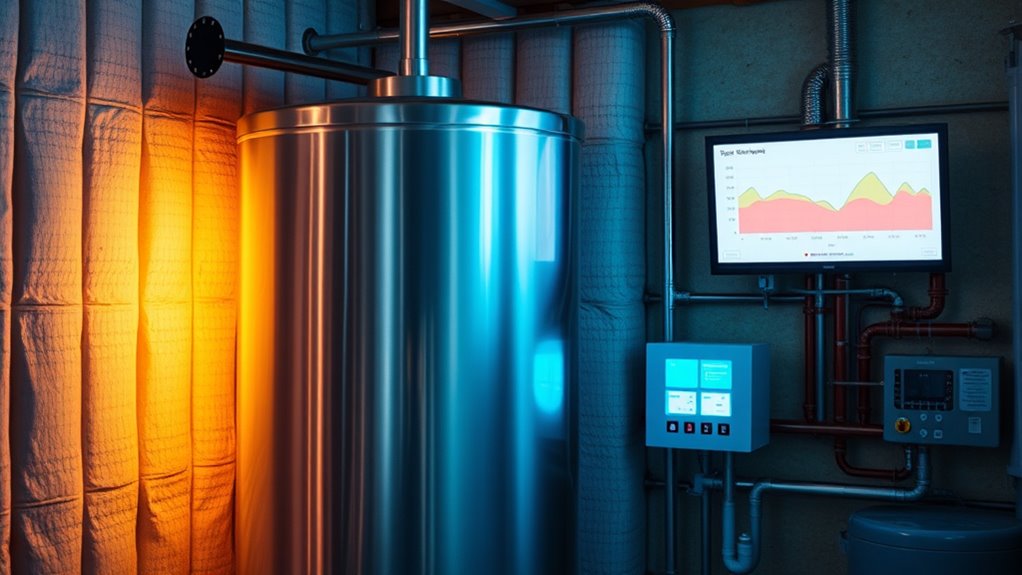
Ever wondered how insulation and storage tanks make your hot water system more efficient? Insulation benefits include reducing heat loss, so your water stays hot longer without constant energy input. Proper insulation around pipes and tanks minimizes energy waste, saving you money and reducing environmental impact. Storage advantages allow you to hold hot water for future use, smoothing out demand and avoiding unnecessary energy consumption during peak times. Well-insulated tanks maintain temperature more effectively, which means less frequent heating cycles. This not only conserves energy but also extends the lifespan of your heating system. Additionally, understanding the thermal properties of insulation materials helps optimize their performance. By combining insulation with strategic storage, you improve overall efficiency, ensuring your hot water system works smarter, not harder, ultimately lowering your energy bills and enhancing system reliability.
How Does Hot Water Use Affect Your Energy Bill?
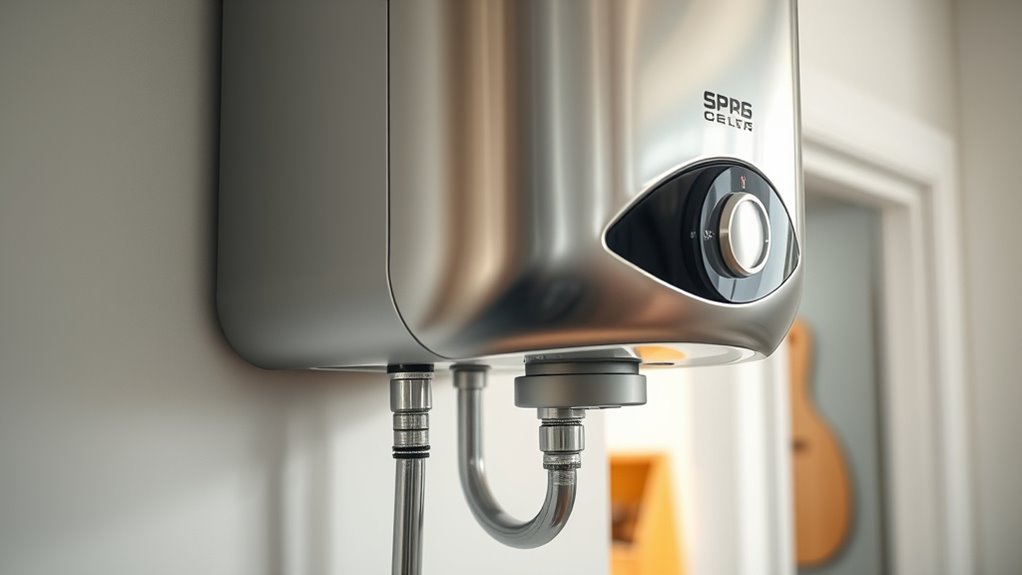
Optimizing insulation and storage helps your hot water system run more efficiently, but your actual energy costs depend heavily on how much hot water you use. When you consume more hot water, your water heating costs increase, directly affecting your energy bill. Hot water pricing varies depending on your utility provider and your usage patterns, making it essential to monitor your consumption. Small changes, like taking shorter showers or fixing leaks, can markedly reduce water heating costs over time. Additionally, using energy-efficient fixtures and adjusting your water heater’s temperature can lower your overall expenses. Remember, your hot water use is a key factor in managing your energy bill, so being mindful of your habits can lead to noticeable savings. Understanding energy consumption patterns can help you identify areas for further savings and optimize your overall energy efficiency.
What Are the Latest Hot Water Tech Innovations?
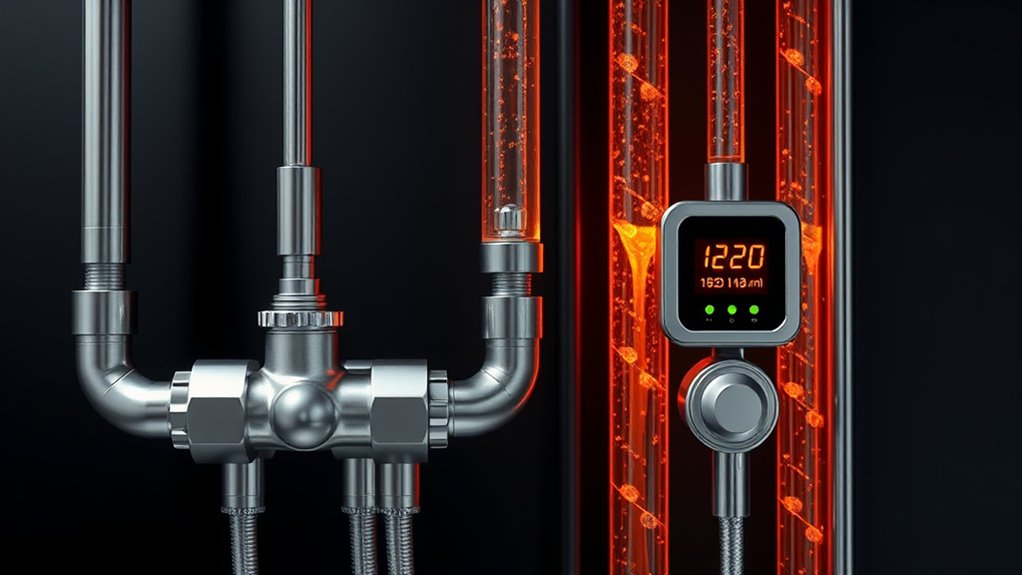
Advancements in hot water technology are transforming how homes and businesses conserve energy and reduce costs. Modern innovations focus on efficiency and control. Here are some key developments:
- Smart controls allow you to schedule, monitor, and adjust hot water use remotely, optimizing energy consumption.
- Solar integration enables hot water systems to harness solar power, reducing reliance on grid energy and lowering bills.
- Tankless systems provide on-demand hot water, eliminating standby heat loss and increasing efficiency.
- Heat pump water heaters use ambient air to heat water more efficiently than traditional models.
- Emerging self-sufficiency solutions in hot water systems allow for greater independence from utility grids and enhance resilience during outages.
These innovations make hot water systems smarter, greener, and more cost-effective, giving you better control over energy use and sustainability.
Why Does Hot Water Energy Use Matter for the Environment?

Why does your hot water energy use matter for the environment? It directly impacts your carbon footprint, which measures the amount of greenhouse gases you contribute to the atmosphere. When your hot water relies on fossil fuels, it increases carbon emissions, fueling climate change. Switching to renewable energy sources like solar or wind for heating reduces this impact considerably. Small changes in how you use hot water—like lowering thermostat settings or installing energy-efficient systems—can also make a difference. Additionally, understanding the thermal behavior of your hot water system helps optimize energy use. By understanding that hot water isn’t just a utility but an energy system, you become aware of your role in protecting the environment. Reducing your hot water energy consumption helps lower greenhouse gases and supports cleaner, more sustainable energy solutions for everyone.
How Can You Make Your Hot Water System More Sustainable?
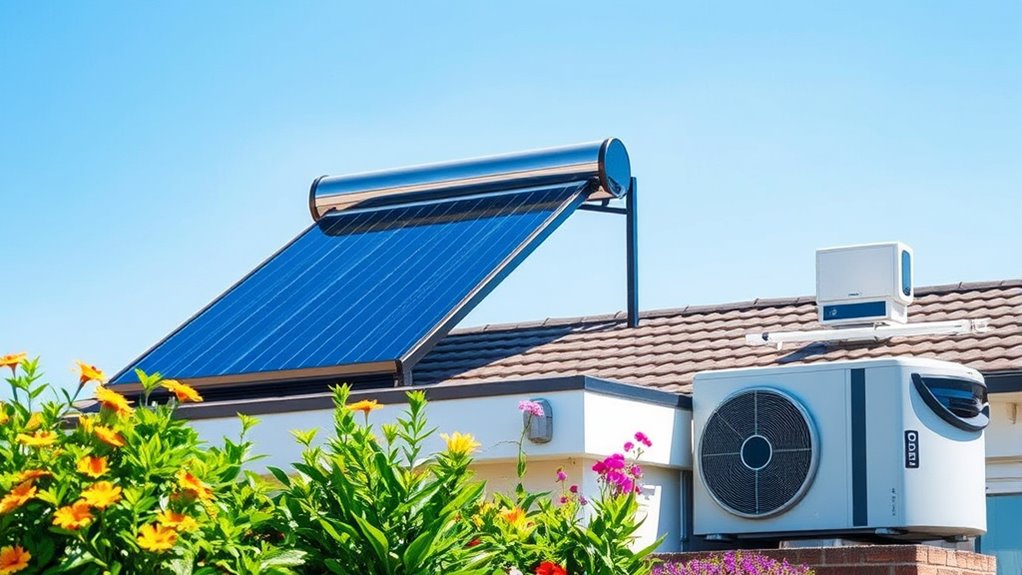
To make your hot water system more sustainable, start by choosing energy-efficient appliances like tankless or high-efficiency water heaters, which use less energy to heat water. You can also incorporate solar heating to harness renewable energy, reducing your reliance on traditional power sources. Additionally, practicing water conservation helps minimize demand, lowering overall energy consumption. Here are some ideas:
- Install a solar water heating system to utilize free, renewable energy.
- Use low-flow fixtures to conserve water during daily use.
- Insulate pipes and water tanks to reduce heat loss.
- Schedule water heater usage during off-peak hours to save energy.
- Consider smart controls that optimize hot water use based on your household’s needs.
Implementing these strategies can appreciably reduce your environmental impact while maintaining reliable hot water.
Frequently Asked Questions
How Does Hot Water Energy Efficiency Compare Across Different Regions?
You’ll find hot water energy efficiency varies across regions due to climate impact and regional variations in infrastructure. In colder areas, heating demands are higher, reducing efficiency, while warmer regions require less energy. You can improve efficiency by adjusting systems based on local climate, using better insulation, or switching to renewable sources. Recognizing regional variations helps you optimize energy use and save costs, regardless of where you are.
What Are Common Misconceptions About Hot Water and Energy Use?
Like thinking hot water is just a utility, many believe it’s always cheap and waste-free. In reality, solar heating can greatly boost efficiency, but water conservation is key. People often overlook how energy-intensive traditional systems are, assuming they’re eco-friendly. You might think turning off the tap isn’t enough, but conserving water reduces energy use and costs. Don’t fall for these misconceptions—hot water management demands awareness and smarter choices.
Can Smart Technology Significantly Reduce Hot Water Energy Consumption?
Yes, smart technology can substantially reduce your hot water energy consumption. By using smart sensors and energy monitoring systems, you can track your water usage in real-time, identify waste, and adjust settings accordingly. These tools help you optimize your hot water system, prevent unnecessary energy use, and save money on your bills. Embracing smart technology empowers you to manage your hot water more efficiently and sustainably.
How Do Hot Water Systems Impact Overall Household Energy Management?
You might think hot water is just a utility, but it’s really an energy system that controls your household’s energy flow. Water heating impacts your overall energy management because it consumes significant power, often without notice. By optimizing energy use—like setting efficient temperatures or using smart tech—you can cut costs and improve energy efficiency. Ironically, managing hot water well can make your entire household’s energy management smarter and more sustainable.
What Future Developments Could Transform Hot Water Energy Systems?
Future hot water energy systems could be transformed by integrating renewable sources like solar and wind, reducing reliance on traditional utilities. You might see innovative storage solutions that efficiently store excess renewable energy for later use, increasing system flexibility. These advancements will enable smarter, more sustainable household energy management, lowering costs and carbon footprints. Embracing renewable integration and innovative storage will make hot water systems more resilient and environmentally friendly.
Conclusion
So, next time you crank that hot water heater, remember—you’re not just paying for comfort, but fueling a tiny energy empire. Sure, it keeps your dishes clean and showers warm, but at what cost? Maybe it’s time to question the real price of that steamy luxury. After all, why settle for a simple utility when you can indulge in an energy-consuming extravaganza? Your wallet—and the planet—are watching.