
Your home may never feel comfortable because hidden issues like poor airflow, unseen noise, or structural flaws quietly affect your space. Inadequate ventilation can trap dust and pollutants, while unnoticed sounds from appliances or structural gaps disrupt your peace. Poor lighting and drafts make rooms dull and chilly. Clutter and emotional stress also play a role in comfort. Exploring these sneaky problems can reveal why your home feels off—stick around to discover how to fix them.
Key Takeaways
- Poor ventilation and inadequate air filtering cause dust buildup and stale air, reducing indoor comfort.
- Hidden structural issues like foundation cracks and uneven floors create instability and discomfort.
- External noise leaks through unnoticed gaps, disrupting peace and concentration inside the home.
- Insufficient natural light and poor lighting design make spaces feel dull and oppressive.
- Clutter and poor temperature regulation lead to visual chaos and fluctuating comfort levels.
Poor Air Quality and Ventilation Issues
Poor air quality and inadequate ventilation can make your home feel stuffy and uncomfortable, even if everything else seems fine. When air isn’t properly filtered or circulated, dust, allergens, and pollutants build up quickly. Air filtration systems help remove airborne particles, improving indoor air quality. Meanwhile, ventilation systems ensure fresh air flows in and stale air exits, preventing stuffiness. Without proper ventilation, indoor air can feel heavy, leading to discomfort and potential health issues. Upgrading or maintaining your ventilation systems and adding effective air filtration can drastically improve your home’s atmosphere. Proper air circulation plays a crucial role in maintaining a healthy and comfortable indoor environment. Additionally, regularly checking and maintaining your air purifier, including filter replacements, ensures continuous and effective air cleaning. Proper ventilation not only improves comfort but also reduces the buildup of indoor pollutants. Incorporating smart ventilation controls can optimize airflow based on occupancy and air quality sensors, further enhancing indoor conditions. These measures keep air clean and fresh, making your space more comfortable and healthier to live in. Don’t underestimate the power of good airflow and proper ventilation for a truly comfortable home.
Hidden Noise Pollution
You might not realize it, but unseen sound sources like distant traffic or appliances can create noise pollution inside your home. These hidden sounds quietly chip away at your ability to relax and feel comfortable. Addressing them can make a noticeable difference in how peaceful your space truly is. Implementing soundproofing techniques can significantly reduce interior noise levels and improve overall comfort. Incorporating acoustic treatments such as panels or diffusers can further enhance sound absorption and minimize echoes. Understanding the importance of sound insulation can help you select the most effective solutions for your specific environment. Additionally, choosing appropriate materials and installation methods plays a crucial role in optimizing soundproofing effectiveness. Exploring the benefits of soundproofing materials can lead to more tailored and effective solutions for your home.
Unseen Sound Sources
Even when your home feels quiet, unseen sound sources can silently disrupt your comfort. These hidden noises often come from places you don’t expect, like appliances or structural elements. They can cause constant background noise that’s hard to identify but still impacts your peace. To combat this, consider sound masking systems that blend unwanted sounds into soothing background noise. Acoustic treatments, such as wall panels or ceiling baffles, also help absorb and diffuse these hidden disturbances. Be aware of sources like:
- HVAC systems humming in the background
- Electronic devices operating silently
- Plumbing vibrations
- Structural creaks and settling sounds
- External noises filtering through unnoticed gaps
Addressing these unseen sources can make your home feel calmer and more comfortable, creating a truly peaceful environment. Incorporating sound absorption techniques can significantly reduce the impact of these invisible disturbances, especially when combined with noise mitigation strategies tailored to your space. Additionally, understanding how support breakfast options can influence your overall well-being might inspire you to create a more relaxing home environment. Exploring modern acoustic solutions can further enhance your efforts to minimize hidden noise pollution and elevate your home’s comfort. Regular maintenance and thoughtful structural insulation can also play a crucial role in reducing these covert sound transmissions.
Impact on Relaxation
Unseen sound sources can quietly erode the sense of tranquility in your home, making relaxation difficult even when everything seems peaceful. Hidden noise pollution often comes from poorly placed furniture or cluttered decorative accessories that create echoes or amplify sounds. For example, placing hard surfaces like glass or metal near seating areas can make noises bounce around, disrupting calm. Similarly, cluttered spaces or excessive decorative accessories can trap sound, intensifying background noise. Adjusting furniture placement to include soft furnishings or strategically positioning rugs and curtains can absorb sound and reduce its impact. Incorporating sound-absorbing materials such as acoustic panels or heavy drapes can further dampen noise and enhance serenity. Paying attention to room acoustics by adding elements like soft rugs or fabric-covered furniture can significantly improve sound quality. Additionally, using diffusers or absorbers can help break up sound waves and prevent echoing. To further improve your home’s sound environment, considering proper room layout can help minimize noise disruptions. Employing soundproofing techniques, such as sealing gaps around windows and doors, can block external noise from entering your space. By consciously arranging your furniture and choosing decorative accessories that dampen noise, you create a more serene environment—one that allows you to truly unwind without the distraction of hidden noise disturbances.
Inadequate Lighting and Its Effects
If your home feels dull or uninviting, poor lighting might be to blame. Insufficient natural light, weak artificial illumination, and the wrong color choices can make spaces feel gloomy and unwelcoming. Addressing these issues can instantly brighten your home and improve overall comfort. Incorporating smart lighting options that adjust color temperature and brightness based on the time of day can further enhance your environment. Additionally, understanding art care principles can help you choose lighting that preserves your artwork while creating a welcoming atmosphere. Paying attention to lighting design can also optimize the balance of shadows and highlights, making your space feel more lively and inviting. Exploring lighting technology can provide innovative solutions that enhance your home’s ambiance and energy efficiency. Learning about lighting controls allows you to customize your lighting setup for different moods and occasions, maximizing both comfort and functionality.
Insufficient Natural Light
Insufficient natural light can make your home feel dull and uninviting, affecting both your mood and comfort. Poorly planned window placement limits sunlight entry, creating dark corners and shadowy spaces. Additionally, if sunlight reflection isn’t optimized, your rooms won’t feel bright or open. To improve this, consider:
- Rearranging furniture to maximize light exposure
- Installing larger or additional windows
- Using light-colored walls to reflect sunlight better
- Adding mirrors to bounce light around rooms
- Choosing window coverings that don’t block natural light
These simple adjustments can markedly boost natural illumination, making your space feel more welcoming and lively. Adequate sunlight not only enhances aesthetics but also supports your overall well-being by brightening your environment naturally.
Poor Artificial Illumination
Poor artificial lighting can make your home feel dull, cramped, and unwelcoming, especially when it’s the primary source of illumination after dark. Inadequate lighting diminishes the vibrancy of your space, creating shadows and dark corners that make rooms appear smaller and less inviting. Poor lighting design can also strain your eyes and diminish your mood, making it harder to relax or focus. When the artificial lighting isn’t well-planned, it fails to highlight your home’s best features or provide enough brightness where needed. To improve comfort, consider layering different types of artificial lighting—ambient, task, and accent—and ensure they work together harmoniously. Good lighting design transforms your space, making it feel more open, warm, and welcoming.
Lighting Color Choices
The color temperature of your artificial lighting plays a significant role in how comfortable and inviting your home feels. Choosing the right color temperature affects the mood and perception of space. Too warm or too cool lighting can make rooms feel off or unwelcoming. Pay attention to lighting intensity, as overly bright or dim lights influence comfort and relaxation. When selecting bulbs, consider these points:
- Use warm tones (around 2700K) for cozy spaces
- Opt for cooler tones (around 5000K) in work areas
- Balance lighting intensity to avoid harshness
- Mix different color temperatures for versatility
- Avoid harsh, single-color lighting to prevent discomfort
Proper lighting color choices create harmony, making your home feel more natural and comfortable.
Uncomfortable Temperature Regulation
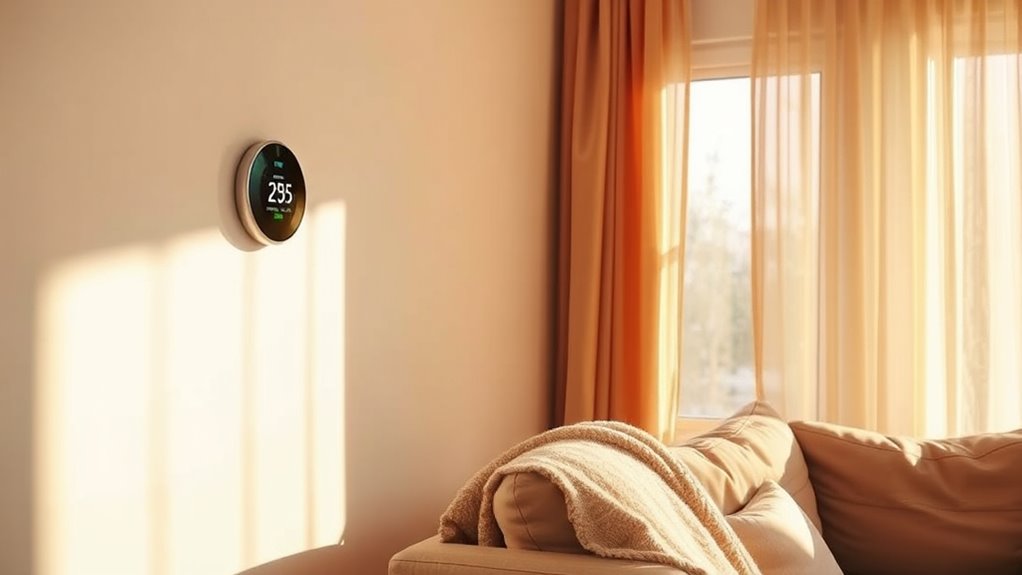
Even when your thermostat is set perfectly, you might still feel uncomfortable because your home’s temperature regulation system isn’t working as it should. One common culprit is improper thermostat calibration, which causes your heating or cooling to run inefficiently or inconsistently. Additionally, draft infiltration can considerably disrupt temperature stability. Small gaps around windows, doors, or vents allow cold or warm air to sneak in, making it harder for your system to maintain a steady temperature. These drafts can cause rapid fluctuations, leaving you feeling either too hot or too cold despite your efforts to control the climate. Addressing both thermostat calibration and draft infiltration is essential for a comfortable home. Proper sealing and regular calibration ensure your system functions at its best, creating a more stable, cozy environment.
Clutter and Poor Organization

When clutter piles up and organization falls by the wayside, it can disrupt the flow of your home’s comfort. Too much clutter creates visual chaos, making spaces feel cramped and stressful. To fix this, focus on effective storage solutions and decluttering techniques. Start by sorting items into categories, then decide what to keep, donate, or discard. Use storage solutions like bins, shelves, and multi-purpose furniture to maximize space. Keep surfaces clear and create designated spots for essentials. Regular decluttering prevents accumulation and restores calm. Remember, a tidy home isn’t just about appearance—it markedly impacts how comfortable and relaxing your space feels. By staying organized, you’ll enjoy a more inviting atmosphere that truly feels like home.
Unnoticed Structural Problems

Unnoticed structural problems can quietly undermine your home’s comfort without you realizing it. Foundation flaws often cause subtle cracks in walls or uneven floors, signaling deeper issues beneath the surface. Load bearing issues, such as weakened beams or compromised supports, can lead to sagging ceilings or shifting walls. These problems develop gradually, making them easy to overlook until they cause significant damage or safety concerns. Ignoring signs of structural trouble not only affects your home’s stability but also impacts your comfort, as you might experience unexplained cold spots, drafts, or creaking sounds. Regular inspections are essential to catch these hidden issues early. Addressing foundation flaws and load bearing problems promptly guarantees your home remains safe, stable, and comfortable for years to come.
Psychological Factors and Emotional Atmosphere

Your home’s emotional atmosphere plays a essential role in how comfortable and welcoming it feels. Hidden mindset barriers and emotional triggers can make even a well-designed space feel off. For example, lingering stress or unresolved conflicts might create negative energy, affecting your mood. Recognizing these factors helps you create a more positive environment. Consider how emotional triggers from past experiences influence your perception of comfort. Addressing these can transform your space into a sanctuary. Here are some key points to focus on:
- Identifying and overcoming mindset barriers
- Recognizing emotional triggers that disrupt comfort
- Creating positive associations with your home
- Cultivating a peaceful, stress-free atmosphere
- Setting intentional, mindful routines
Frequently Asked Questions
How Can I Improve Air Quality Without Professional Help?
You can improve air quality easily by using air purifiers to filter out pollutants and allergens. Adding indoor plants like snake plants or pothos helps naturally clean the air and boost humidity. Keep your home well-ventilated by opening windows regularly, and avoid smoking indoors. Regularly dust and vacuum to reduce dust and pet dander. These simple steps make a noticeable difference in creating a healthier, more comfortable environment.
What Are Subtle Signs of Poor Ventilation in My Home?
You might notice subtle signs of poor ventilation, like stuffy odors or lingering humidity, indicating airflow issues. You could also see mold indicators, such as dark spots or a musty smell, which often result from inadequate air circulation. Pay attention to these clues, as they suggest your home isn’t ventilating properly. Improving airflow by opening windows or using exhaust fans can help, reducing moisture and preventing mold growth.
How Does Noise Pollution Affect My Mental Health at Home?
Ever wonder if that endless background noise is secretly sabotaging your sanity? Noise pollution can seriously impact your mental health, making you anxious or irritable. You can fight back with sound masking and better noise insulation, creating a peaceful oasis. Instead of surrendering to chaos, take control—block out the chaos and restore your peace of mind. Your sanity deserves a little noise-canceling love, after all.
Can Lighting Impact My Sleep and Energy Levels?
Lighting influence considerably impacts your sleep and energy levels. Poor or inconsistent lighting can cause sleep disruption, making it harder for you to fall asleep or stay asleep. Bright or blue light before bed suppresses melatonin, disrupting your natural sleep cycle. To boost your energy and improve sleep quality, opt for softer, dimmer lights in the evening and use natural light during the day. This helps regulate your body’s internal clock effectively.
What Psychological Factors Make a Space Feel Less Comfortable?
Imagine you’re living in a Dickens novel—decor psychology and environmental perception shape how you feel in your space. When clutter, poor lighting, or mismatched colors dominate, your mind perceives chaos or discomfort. Negative associations, unresolved emotions, or lack of personal touches also diminish comfort. You might unconsciously sense tension or unease, making your environment feel less inviting. Focusing on positive decor psychology helps transform your space into a cozy, welcoming haven.
Conclusion
Your home is like a delicate garden—you need to tend to every corner to truly thrive. When hidden issues like poor air, noise, or clutter go unchecked, they quietly undermine your comfort. Addressing these sneaky problems is like pulling weeds before they take over, allowing your space to flourish. By nurturing your home with attention and care, you create a sanctuary where you can breathe, relax, and truly feel at ease every day.