When stress arises, see it as a helpful signal rather than a problem. Tune into your body and notice physical and emotional cues like tight muscles or anxiety. Respond mindfully by pausing, taking deep breaths, and grounding yourself in the present moment. Over time, practicing self-awareness and simple grounding techniques helps you interpret stress as an opportunity to learn and grow. Keep exploring these steps to turn stress into a powerful message for positive change.
Key Takeaways
- Recognize physical and emotional signs of stress as informative signals rather than problems.
- Shift your perspective to view stress responses as messages guiding growth and awareness.
- Practice mindful attention to bodily cues to detect stress early and prevent escalation.
- Use grounding techniques and deep breathing to respond thoughtfully, turning stress into insight.
- Consistently reflect and develop awareness to transform stress signals into opportunities for resilience.

UNGLINGA 40+ Experiments Science Kit for Kids Chemistry Set STEM Toy
- Number of Experiments: Over 40 science experiments
- Instruction Quality: Clear, step-by-step instructions with illustrations
- Complete Kit: All necessary materials included
As an affiliate, we earn on qualifying purchases.
Recognize Stress as a Natural Signal

Stress is a natural response your body uses to alert you to challenges or threats. When you notice signs of stress, like rapid heartbeat or tense muscles, recognize them as signals rather than problems. Practice mindful breathing to ground yourself and gain clarity. Taking slow, deep breaths helps you connect with your body’s signals and reduces immediate tension. Additionally, gratitude journaling can shift your perspective, allowing you to see stress as a cue to pause and reflect rather than a threat. Recognizing the best-rated pinball machines of 2024 can also serve as a fun distraction to recalibrate your focus during stressful moments. By acknowledging stress as a natural signal, you empower yourself to respond thoughtfully instead of reactively. Understanding these signals helps you build awareness, making it easier to manage stress healthily and prevent it from overwhelming you.

National Geographic Junior Chemistry Set with 50 Experiments for Kids
- Complete Chemistry Lab: For young scientists aged 4+
- 50 Hands-On Experiments: Engages curiosity and discovery
- Illustrated Step-by-Step Instructions: Easy to follow for kids
As an affiliate, we earn on qualifying purchases.
Change How You See Stress: It’s a Message

When you see stress as a message, you open yourself to new opportunities for growth. Instead of resisting it, ask what your body and mind are trying to tell you. Changing your perspective turns stress from a threat into a chance to learn and adapt. Recognizing cybersecurity vulnerabilities can help you identify areas for personal or organizational improvement.
Stress Signals Opportunities
Instead of viewing stress signals as threats, consider them as valuable messages that reveal what needs your attention. These signals are opportunities to practice better stress management and deepen your emotional awareness. When you notice a stress response, it’s a cue to pause and assess. Recognizing these signals helps you respond more intentionally. Instead of reacting automatically, you can use them as prompts to address underlying issues, improve emotional awareness, and develop healthier responses. Viewing stress as a message transforms it from an obstacle into a tool for growth. Ziva David‘s journey on NCIS exemplifies how understanding complex signals can lead to growth and resilience.
Shift Your Perspective
By shifting your perspective, you can see stress not as an enemy but as an essential message guiding your growth. A perception shift allows you to view stress as a signal that highlights areas needing attention, rather than something to fear. This mindset change helps you interpret physical cues—like rapid heartbeat or tight muscles—as helpful alerts, not threats. When you change how you see stress, you empower yourself to respond thoughtfully instead of reactively. Instead of avoiding stress, embrace it as a messenger that offers insight into your needs and limits. Recognizing the importance of adaptive responses can further enhance your ability to manage stress effectively. This shift in perception transforms stress into a tool for self-awareness and growth, making it easier to navigate challenges with calm and clarity. Ultimately, your mindset change turns stress into a valuable signal rather than a source of distress.

National Geographic Earth Science Kit with 100+ Activities for Kids 8-12
- Extensive Science Activities: Over 15 experiments including volcanoes and tornadoes
- Shareable Science Kit: Suitable for multiple kids, family, or friends
- Educational Learning Guide: Full-color guide explains the science behind experiments
As an affiliate, we earn on qualifying purchases.
Tune Into Your Body’s Signals

You can start by noticing physical clues like tense muscles or rapid heartbeat, which often signal stress. Pay attention to emotional cues such as irritability or anxiety that may arise unexpectedly. When you recognize these signals, respond with mindfulness to help manage your stress effectively. Incorporating regular air purifier maintenance ensures your environment stays healthy, supporting your stress management efforts.
Recognize Physical Clues
Your body often whispers before it screams, signaling stress through physical cues that are easy to overlook. Developing body awareness helps you notice these subtle signals early. Pay attention to sensations like tense muscles, rapid heartbeat, shallow breathing, or stomach discomfort. These physical clues are your body’s way of alerting you to underlying stress. Recognizing these signs allows you to respond before stress escalates. Keep in mind that physical cues can also reflect emotional states, making body awareness a powerful tool for self-regulation. By tuning into your body’s signals, you can catch stress early and take steps to calm your mind and body. Remember, your body communicates constantly—learning to read these signs transforms stress into a helpful signal rather than a burden. Incorporating practices like mindful breathing or gentle stretching can further enhance your awareness of body signals and improve your stress response.
Notice Emotional Cues
Emotions often send subtle signals through your body before you even realize you’re feeling overwhelmed or stressed. Developing emotional awareness allows you to detect these cues early. Pay attention to physical sensations like tightness in your chest, restless legs, or a knot in your stomach. These are your body’s way of signaling emotional shifts. By practicing cue detection, you become more attuned to your feelings in real time, rather than reacting impulsively. Notice how certain thoughts or situations trigger specific physical responses. This heightened awareness helps you identify emotions like anxiety, frustration, or overwhelm before they escalate. Cultivating attention to detail in recognizing these signals ensures you catch emotional cues accurately, putting you in control, giving you the opportunity to pause, breathe, and address what you’re experiencing.
Respond Mindfully
When you notice physical signals like a tight chest or restless legs, take a moment to respond mindfully rather than reacting automatically. Pause and tune into what your body is experiencing. Use breathing exercises to calm your nervous system, inhaling deeply through your nose and exhaling slowly. Consider journaling prompts such as “What am I feeling right now?” or “What does my body need?” to explore your sensations further. Visualize yourself grounding into the present moment, feeling your feet on the floor or your back against the chair. Stay attentive to these signals without judgment, allowing yourself to process stress instead of suppressing it. Developing situational awareness helps you recognize stress signals early and respond more effectively. This mindful response helps transform stress into a helpful signal rather than a reactive response.
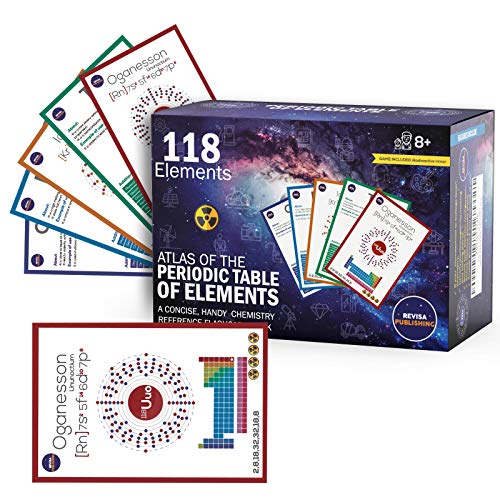
Periodic Table of Elements Laminated Flashcard Science kit| Quick Element Study Aid|Chemistry Flash Card Game for Teachers, Students, Homeschool Kids, Classroom| Educational Chart Reference Guide
- Complete Colorful Flashcard Deck: Visualize atomic structures and concepts
- Suitable for All Learning Levels: 118 laminated cards for all ages
- Durable Matte Laminated Cards: Resist dirt, dust, and fingerprints
As an affiliate, we earn on qualifying purchases.
Discover What Your Stress Is Telling You

Have you ever stopped to contemplate that your stress signals might be trying to tell you something important? When you notice stress, it’s a chance to develop emotional awareness—pay attention to what your body and mind are conveying. Your stress could be a signal that your current coping strategies aren’t enough or that something in your life needs change. Instead of dismissing these feelings, ask yourself what they’re revealing about your needs or unresolved issues. Recognizing the message behind your stress helps you respond more intentionally rather than react impulsively. By understanding what your stress is telling you, you can better tailor your coping strategies, making your responses more effective and aligned with your emotional well-being. Incorporating art and caring strategies can also aid in processing and expressing these emotions more effectively.
Respond to Stress With Practical Steps

Once you’ve identified what your stress signals are revealing, the next step is to respond with practical strategies that can help you manage these feelings effectively. Focus on grounding yourself through techniques like mindful breathing, which calms your nervous system and creates space for emotional awareness. Recognize your emotional state without judgment, and take intentional actions to reduce stress. Incorporate emotional awareness practices to better understand your reactions and foster resilience.
- Practice slow, deep breaths to center your mind
- Pause and assess your feelings with emotional awareness
- Take short breaks to step back from stressful situations
- Use visualization to create a calming mental image
- Engage in gentle movement or stretching to release tension
These steps help you regain control, turning stress signals into opportunities for self-care and clarity.
Practice Mindfulness and Self-Reflection Daily

Practicing mindfulness and self-reflection every day helps you stay connected to your emotional state and respond more effectively to stress. Start with breathing exercises to center yourself, focusing on slow, deep breaths to calm your mind. Incorporate journaling techniques to explore your feelings and identify stress triggers. Dedicate a few minutes each day to write about your thoughts, reactions, and progress. This daily habit helps you recognize patterns and gain clarity, making it easier to manage stress instead of letting it overwhelm you. By consistently practicing mindfulness and self-reflection, you create a foundation of self-awareness that turns stress signals into opportunities for growth and calmness. Over time, these simple routines become powerful tools to support your emotional resilience.
Frequently Asked Questions
How Can I Differentiate Between Healthy Stress and Harmful Stress?
You can differentiate healthy stress from harmful stress by paying attention to your stress perception and emotional resilience. Healthy stress energizes you and helps you focus, while harmful stress feels overwhelming and drains your resilience. If you notice persistent anxiety or physical symptoms, it’s a sign of harmful stress. Building emotional resilience through mindfulness and self-care can help you better manage stress, turning it into a signal for growth rather than a burden.
What Are Common Physical Signs of Stress Signals?
You might notice physical symptoms like headaches, rapid heartbeat, or muscle tension, signaling your body’s stress response. Emotional cues such as irritability, anxiety, or feeling overwhelmed often accompany these physical signs. When you observe these signals, it’s your body’s way of alerting you to stress. Recognizing these cues helps you address stress early, allowing you to take steps to relax and regain balance before it worsens.
How Long Should I Practice Mindfulness Daily for Effective Results?
You should aim for at least 10 to 20 minutes of mindfulness daily for effective results. Consistency is key, so try to incorporate your daily practice into a routine, whether in the morning, during lunch, or before bed. Gradually increase your mindfulness duration if you feel comfortable, but regular practice of even a few minutes daily can markedly reduce stress and improve your overall well-being.
Can Changing My Mindset Reduce Long-Term Stress Impacts?
Yes, changing your mindset can considerably reduce long-term stress impacts. A mindset shift helps you alter your stress perception, making challenges feel more manageable. When you view stress as a signal for growth rather than a threat, you build resilience over time. By actively working on your mindset, you train yourself to respond calmly and thoughtfully, which lowers the overall effects of chronic stress and improves your mental well-being.
What Are Quick Practical Steps to Manage Sudden Stress Episodes?
Think of stress as a fire alarm going off unexpectedly. When it happens, take a deep breath and pause like you’re silencing the alarm. Practice quick stress management by grounding yourself—focus on your breathing or do a quick body scan. Use emotional regulation techniques, like positive self-talk, to calm your mind. These simple steps help you regain control fast, turning chaos into clarity and managing stress effectively.
Conclusion
Remember, stress isn’t just a hurdle—it’s a valuable signal guiding you. By recognizing it as a message, tuning into your body, and responding thoughtfully, you can turn stress into an opportunity for growth. Did you know that 70% of people report feeling more confident when they reframe stress positively? So, next time stress shows up, see it as a signal, not a setback. Embrace it, and use it to fuel your progress.