📊 Full opportunity report: Is Novo Nordisk Drawing More Global Attention On Consumer Safety? on IdeaNavigator AI — validation score, market gap, and execution plan.

Prime made for students and young adults
- Fast, free delivery for dorm and study essentials
- Prime Video and Amazon Music included
- Member-only deals
TL;DR

IdeaNavigator AI identifies increased global coverage of Novo Nordisk as a possible signal for consumer-health and food-brand safety teams to monitor. Its brief provides no article count, time window, comparison baseline or specific safety finding, so it does not establish a consumer-safety event or increased risk.
IdeaNavigator AI has flagged increased global coverage of Novo Nordisk as a potential monitoring signal for consumer-health and food-brand safety teams, but its brief does not identify a new safety incident, product finding or regulatory action. The item is framed as an opportunity to test a news-monitoring workflow, not as confirmation that Novo Nordisk products pose a newly identified risk.
The brief says the signal was surfaced by GDELT with a score of 88 out of 100. It does not define what that score measures, disclose the underlying articles or filings, or provide a time window and comparison baseline for the reported increase in coverage. The figure should be read as a score attached to the monitoring signal, not as a measure of consumer harm, product risk or a verified rise in coverage volume.
The proposed product is a focused monitor that would scan GDELT and similar feeds for health, safety and contaminant findings, then filter them for relevance to safety or compliance leads at consumer-health and food companies. It would turn selected items into short briefs covering what changed, why it matters and what action, if any, a reader might take. The Novo Nordisk item is offered as an example of the kind of signal such a system could process.
To test whether the idea is useful, the brief proposes hand-delivering this item and two other health, safety or contaminant findings to five people in relevant roles within a week. The suggested measures are whether a recipient changes a decision or forwards a brief to a colleague. No results from that test are reported, and the proposal does not say that a product or service has launched.
Novo Nordisk draws global attention What the signal does—and does not—show
IdeaNavigator AI flags increased coverage as a monitoring signal. Its brief identifies no new safety incident, product finding or regulatory action.
Coverage is not a safety finding
The brief provides no underlying reports, time window or comparison baseline.
- Increased global coverage, according to the brief
- A possible item for safety teams to monitor
- A consumer-safety event or increased risk
- A product issue or regulatory action
A proposed monitor
The idea is to turn dispersed reports into concise, role-relevant briefs for safety and compliance leads.
Look across GDELT and similar feeds for health, safety and contaminant findings.
Select items relevant to consumer-health and food-company teams.
Summarize what changed, why it matters and possible next steps.
How the idea would be tested
The proposed discovery test measures early user response, not accuracy or safety impact.
Five relevant professionals
Share the briefs with people in safety or compliance roles.
Decision changes and sharing
Track whether recipients change a decision or forward a brief.
Results not reported
The brief proposes the test but gives no outcomes or launch status.
A Signal Is Not a Safety Finding
For safety teams, the practical question is not simply whether a company is receiving more attention. It is whether that attention contains information that could affect product safety, compliance obligations or consumer advice. A filtered, timely alert could help teams identify relevant developments sooner than a broad roundup, especially when reports are spread across news coverage, online forums and formal filings.
But a coverage spike on its own cannot answer that question. Without the underlying reports, teams cannot tell whether the attention reflects a confirmed safety issue, routine company news, market activity or repeated coverage of one event. Treating an unexplained score as a risk indicator could prompt unnecessary escalation or distract from more relevant signals. The brief therefore describes a proposed workflow; it does not show that the workflow has improved safety decisions or that Novo Nordisk faces a new consumer-safety concern.
The proposed test focuses on decision changes and forwarding behavior, which can offer an early indication of whether the briefs are useful to their intended readers. Those measures would not, by themselves, establish accuracy or safety impact. A useful monitor would also need to show what evidence supports each alert, how it handles duplicate reports and how it distinguishes confirmed findings from claims.
Popular right now
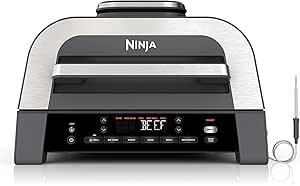
Ninja Foodi Smart XL 6-in-1 Indoor Grill and Air Fryer, Black/Silver (DG551)

Bose QuietComfort Ultra Earbuds (2nd Gen), Wireless Noise-Cancelling Earbuds, Black

Samsung 48-Inch S90F OLED 4K Smart TV (2025)
As an affiliate, we earn on qualifying purchases.
From Coverage Spike to Monitor Test
The idea is aimed at safety or compliance leads at consumer-health and food brands. Its stated problem is that potentially relevant health, safety and contaminant information can be dispersed across different channels, making it difficult for a team to identify developments that apply to its work. The proposed service would add role-based filtering and a concise explanation of relevance rather than simply send a general news roundup.
The brief’s focus on Novo Nordisk is a monitoring example, not a report of a specific event involving the company. It supplies no dated timeline, named product, regulator notice, research finding or company statement. It also does not explain whether the increase in coverage refers to news articles, other online material, or a combination. Those omissions limit what readers can infer about the subject of the attention.
IdeaNavigator AI presents the monitor as an early-stage business opportunity supported by a GDELT signal score. Its suggested next step is direct feedback from five potential users, with three items delivered by hand. That is a small discovery test of whether the format affects decisions or gets shared; it is not a representative market study or an independent verification of the signal.
What the Coverage Signal Leaves Open
No specific safety finding is identified in the brief. It does not say what news or reports drove the Novo Nordisk coverage, whether any claim has been verified, or whether the company or a regulator has issued a statement about a consumer-safety matter. It therefore cannot support a conclusion that a hazard, contamination event or product defect has been found.
The basis for the phrase “surges in global coverage” is also unspecified: there is no count of mentions, dated observation window or baseline for comparison. The meaning and calibration of the 88/100 GDELT score are not explained, so it cannot be interpreted as a probability or severity rating. The proposed monitor’s accuracy, relevance filters, alert standards and commercial viability have not been demonstrated in the brief.
Five-User Validation Is Proposed
The next step described is to deliver the Novo Nordisk brief and two additional health, safety or contaminant items to five people matching the target role, then record whether any recipient changes a decision or shares a brief. The proposal sets a one-week timeframe, but no test start date, participant feedback or outcome is provided.
Before the signal can support a specific safety conclusion, the underlying coverage and its timing would need to be identified and checked against relevant company or regulatory information. Any future report of a concrete product concern should be assessed on its own evidence, with claims distinguished from confirmed findings. The brief does not state when further information or test results will be available.
Source: IdeaNavigator AI
Key Questions
Does the brief report a new Novo Nordisk safety problem?
No. It flags increased global coverage as a monitoring signal but identifies no specific safety incident, product finding or regulatory action.
What does the GDELT score of 88 out of 100 mean?
The brief does not explain the score’s method or what it measures. It should not be treated as a risk probability, severity rating or measure of consumer harm.
What is the proposed monitoring tool meant to do?
It would scan GDELT and similar feeds for health, safety and contaminant findings, filter them for relevant professionals, and summarize what changed, why it matters and possible next steps.
Has the proposed monitor been tested?
No test results are reported. IdeaNavigator AI proposes sharing three briefs with five safety or compliance leads and tracking whether they change a decision or forward a brief.
Source: IdeaNavigator AI