📊 Full opportunity report: Toyota, Nissan, And Honda Move Toward Standardized Parts To Save On Costs on IdeaNavigator AI — validation score, market gap, and execution plan.

Prime made for students and young adults
- Fast, free delivery for dorm and study essentials
- Prime Video and Amazon Music included
- Member-only deals
TL;DR
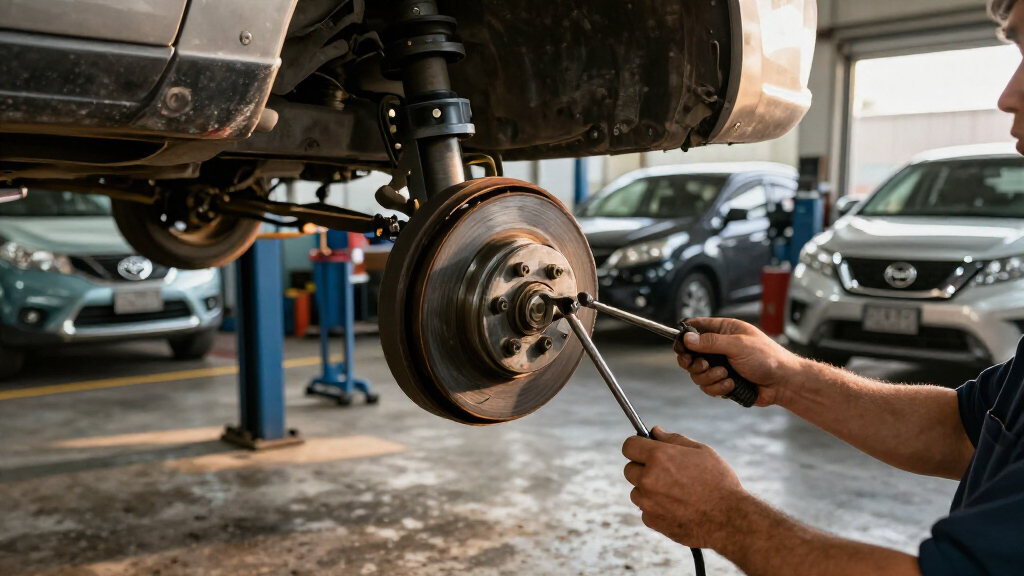
A report describes Toyota, Nissan and Honda as moving toward standardized parts to reduce costs, but the available details do not establish that the automakers announced or approved such a plan. It gives no affected parts, timeline or implementation terms, so the development cannot yet be treated as a confirmed industry change.
A report has framed Toyota, Nissan and Honda as moving toward standardized parts to cut costs, but the information available does not confirm that the automakers have agreed to or announced a shared program. It identifies no parts, schedule or operational terms, leaving the scale and immediate effects of the proposed change unverified.
The reported development concerns possible parts standardization among three Japanese automakers, with lower costs given as the rationale. The account does not identify a company statement, regulatory filing, named executive or other primary documentation supporting the claim. It also does not say whether standardization would cover components, specifications, purchasing, manufacturing or another area of vehicle production.
No details are provided about which vehicle models or markets could be affected, when a change might take effect, or whether the companies would cooperate directly. The available material also gives no estimate of expected savings and does not say whether any cost reductions would reach suppliers, dealerships, repair shops or vehicle buyers. Those omissions mean the claimed cost benefit cannot be quantified.
The item appears within an automotive-retail monitoring concept that treats the headline as a signal for independent dealership and repair-shop operators. That framing is not evidence that a standardization plan exists. It describes a proposed way to track industry news and produce role-specific summaries, rather than documenting a completed agreement by Toyota, Nissan or Honda.
Parts standardization remains unconfirmed
A report links Toyota, Nissan and Honda to possible parts standardization aimed at cutting costs. No company announcement or implementation details are provided.
What is reported
Cost reduction is given as the rationale, but the report does not establish an agreement.
Three automakers named
Toyota, Nissan and Honda are described as moving toward standardization.
No confirmation provided
No company statement, named representative or supporting document is cited.
What remains unknown
The available details do not show the scope or timing of any change.
- Parts or technical standards
- Models, markets or suppliers
- Agreement and rollout timing
- Expected savings
- Effects on parts availability or pricing
- Lower costs for shops or buyers
Implications for repair businesses
Shared components could affect purchasing or inventory, depending on what is standardized.
Look for direct manufacturer or supplier information about parts and affected vehicles.
If confirmed, compare the affected models and components with customers and inventory.
Potential Effects on Parts and Repairs
If the three automakers do standardize components, the change could matter to businesses that sell, stock or install replacement parts. Shared specifications or increased commonality could, depending on the components involved, affect purchasing, inventory planning and the range of parts a shop needs to carry. Those are possible implications, not confirmed outcomes of the report.
For independent dealerships and repair businesses, the practical question is whether a change would apply to vehicles they service and whether it would alter parts availability, pricing or compatibility. Without the affected components, models and timing, operators cannot reliably adjust stock or customer estimates. No immediate business action is supported by the information currently available.
The cost rationale also matters beyond retailers, but the account does not establish who would receive any savings. Lower production costs would not automatically mean lower vehicle prices or repair bills; that would depend on company decisions, supplier arrangements and market conditions that have not been described.
Popular right now

Vitamix VX1 Professional-Grade Blender, 64 oz, Black

KitchenAid Artisan 5-Qt Tilt-Head Stand Mixer, Almond Cream

De'Longhi Classic Signature Espresso Machine with Adjustable Milk Frother
As an affiliate, we earn on qualifying purchases.
A Retail Monitoring Proposal, Not Confirmation
The accompanying description presents the topic as an example for an automotive retail signal monitor. The proposed service would watch news feeds and other channels for developments involving vehicle launches, recalls and regulation, then summarize items for independent dealerships and repair shops. It suggests testing the service by delivering briefings to a small group of business operators and observing whether they change a decision or share the information.
That product idea is separate from the underlying automotive claim. The description says a monitoring feed surfaced the headline with an 88/100 signal score, but provides no scoring method, comparison baseline or evidence that the score verifies the report. It is a measure within the proposed monitoring workflow, not an independent confirmation of a Toyota-Nissan-Honda agreement.
No dated company announcement or prior agreement is described, so a timeline of negotiations or earlier steps cannot be established from the available information. The distinction is material: a headline surfaced by an industry-monitoring concept should not be treated as equivalent to a confirmed policy or manufacturing decision.
Agreement and Scope Remain Unverified
The central unknown is whether Toyota, Nissan and Honda have actually agreed to standardize parts. No direct statements from the companies, named representatives, supporting documents or corroborating reporting are provided. It is also unclear whether the headline refers to a proposal, discussions, a limited technical effort or a finalized plan.
Even if cooperation is under consideration, the scope is unknown: the materials do not specify parts or standards, participating suppliers, affected vehicles, geographic coverage, expected savings or rollout dates. There is no evidence here that production has changed or that dealerships and repair shops should alter ordering practices. The claim should be treated as unconfirmed unless the companies or reliable documentation provide further details.
Watch for Company Statements and Details
The next reporting step is to look for direct statements or documentation from Toyota, Nissan and Honda that confirm whether a joint or parallel standardization effort exists. Any follow-up should establish what parts and vehicle programs are involved, whether suppliers are participating, and when changes might begin. Until those facts are available, the cost-saving rationale remains a reported purpose rather than a measured result.
Independent dealerships and repair shops can monitor verified manufacturer and supplier updates, but the information presented here does not justify changing purchasing or service plans. If an agreement is confirmed, its relevance will depend on whether the affected models and components overlap with the business’s customers and inventory.
Source: IdeaNavigator AI
Key Questions
Have Toyota, Nissan and Honda confirmed a parts-standardization agreement?
No confirmation is provided in the available information. It includes no company announcement, named spokesperson or supporting document establishing an agreement.
Which parts would be standardized?
The parts are not identified. The report does not specify components, technical standards, vehicle models or suppliers.
Would the change lower repair or vehicle costs?
That is not established. The report cites lower costs as the rationale, but gives no savings estimate or evidence that any reduction would reach repair businesses or customers.
Should independent shops change their inventory plans now?
Not on the basis of this information alone. No implementation date, affected vehicles or parts are listed, and the underlying agreement remains unverified.
Source: IdeaNavigator AI