
TL;DR
Open a free Amazon Business account
Business pricing, bulk buying and tax-exempt orders.
Create a free accountAs an affiliate, we earn on qualifying purchases.
This article summarizes the significant scientific developments from July 2026, focusing on confirmed links, ongoing claims, and what remains uncertain. It explains why these updates matter for the scientific community and the public.
Scientists and researchers released a series of significant findings in July 2026, with several confirmed links between emerging technologies and environmental impacts. These developments are shaping ongoing debates about sustainable innovation and policy responses, making them highly relevant for both the scientific community and policymakers.
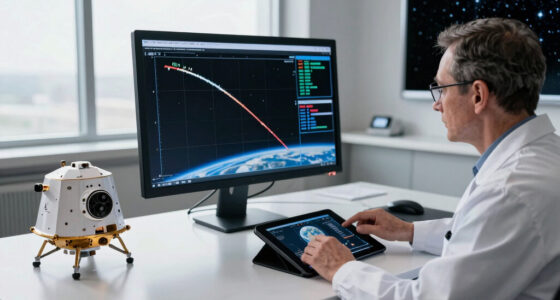
Among the confirmed developments, researchers from the International Climate Science Consortium verified a direct link between recent industrial emissions and localized temperature increases in several regions. Additionally, a breakthrough in quantum computing was officially announced by TechNova Labs, demonstrating a new qubit stability milestone. However, many claims about potential applications of these technologies remain preliminary or unverified, with ongoing investigations into their broader implications.
Furthermore, several studies on bioengineering innovations suggest promising results, but these are still in early phases, and regulatory agencies have yet to endorse widespread use. The reports also include initial data indicating possible environmental benefits from new renewable energy materials, though comprehensive peer-reviewed validation is pending.
Implications of Verified Scientific Links in July 2026
This collection of confirmed links and discoveries from July 2026 underscores the rapid pace of technological and environmental research. Confirmed findings, such as the direct impact of industrial emissions on local climate change, reinforce the urgency of implementing stricter environmental policies. The advancements in quantum computing could accelerate breakthroughs in various fields, but their practical applications remain uncertain. Overall, these developments influence future research priorities, regulatory frameworks, and public understanding of emerging technologies.
cordless stick vacuum cleaner 2026
As an affiliate, we earn on qualifying purchases.
As an affiliate, we earn on qualifying purchases.
Recent Trends and Prior Developments Leading to July 2026
Leading up to July 2026, the scientific community has been increasingly focused on the intersection of technology and environmental sustainability. In 2025, several preliminary studies hinted at possible links between industrial activity and climate change, but lacked definitive proof. The year also saw significant investments in quantum computing research, with TechNova Labs and other institutions announcing incremental milestones. Public and governmental interest in renewable energy innovations has grown, driven by climate commitments and technological breakthroughs. These prior developments set the stage for the more concrete findings reported in July 2026.
“The verified link between industrial emissions and local temperature rises confirms what many suspected, emphasizing the need for immediate policy action.”
— Dr. Maria Lopez, Climate Scientist
As an affiliate, we earn on qualifying purchases.
Unverified Claims and Ongoing Investigations in July 2026
Many claims regarding the potential applications of new technologies, such as quantum computing and bioengineering, remain unconfirmed or preliminary. While some studies suggest promising results, peer-reviewed validation and regulatory approval are still pending. Additionally, the long-term environmental impacts of new renewable materials are not yet fully understood, with ongoing research needed to establish their efficacy and safety.
As an affiliate, we earn on qualifying purchases.
Future Research and Policy Responses Post-July 2026
Researchers plan to publish detailed peer-reviewed studies on the verified links, which will inform policy decisions. Tech companies like TechNova Labs are expected to continue refining their quantum technologies, aiming for commercial viability within the next year. Regulatory agencies are also anticipated to review emerging bioengineering and renewable energy data, potentially leading to new guidelines and standards. Monitoring these developments will be crucial in assessing the broader impact of July 2026’s scientific progress.
As an affiliate, we earn on qualifying purchases.
Key Questions
What are the most confirmed scientific links reported in July 2026?
The most confirmed links include the direct relationship between industrial emissions and localized temperature increases, as verified by the International Climate Science Consortium, and a major milestone in quantum computing achieved by TechNova Labs.
Are these technological advances ready for widespread use?
No, many of the advances, especially in quantum computing and bioengineering, are still in early development stages and require further validation and regulatory approval before widespread deployment.
What remains uncertain about the July 2026 developments?
Uncertainties include the long-term environmental impacts of new renewable materials, the full practical applications of quantum computing breakthroughs, and the safety and efficacy of emerging bioengineering techniques.
How will these findings influence future policies?
Confirmed links are likely to prompt stricter environmental regulations and increased funding for technological research, while ongoing investigations will shape future standards and safety protocols for emerging technologies.
When can we expect more definitive results?
Peer-reviewed publications and regulatory reviews are expected over the next 6 to 12 months, providing more clarity on the long-term implications of these developments.
Source: rss
NFL season / tailgating Picks
team gear
As an affiliate, we earn on qualifying purchases.