
TL;DR

Prime made for students and young adults
- Fast, free delivery for dorm and study essentials
- Prime Video and Amazon Music included
- Member-only deals
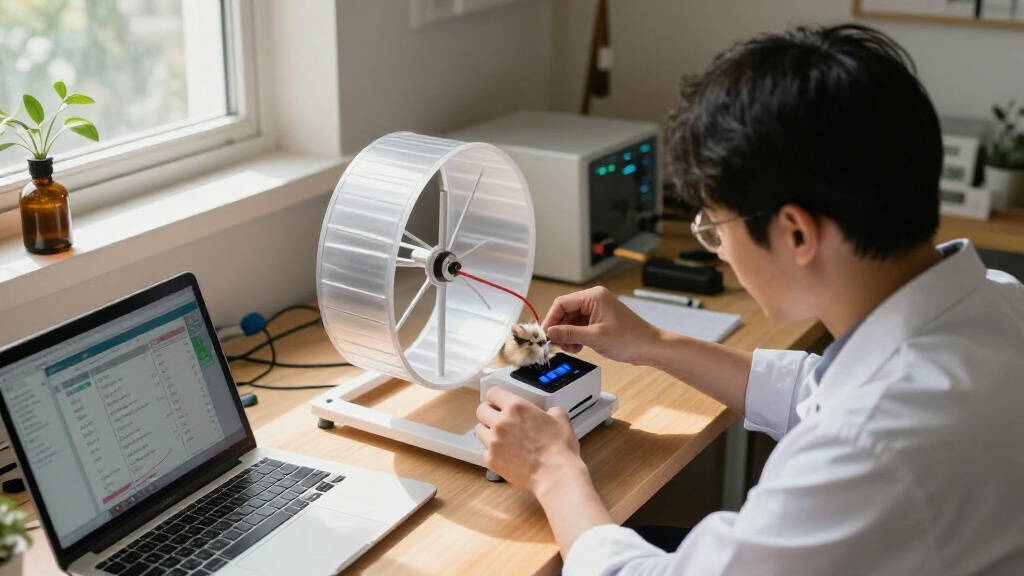
A physicist has modified his pet hamster’s wheel to send activity updates directly to Strava. This unusual experiment highlights creative uses of fitness tech and raises questions about animal welfare and data privacy.
A physicist has modified his pet hamster’s wheel to automatically upload activity data to Strava. The experiment, shared on social media, demonstrates a novel intersection of animal care, fitness tracking, and DIY tech hacking, sparking widespread attention. The physicist claims the setup is safe and non-intrusive, but the experiment raises questions about animal welfare and data use.
The physicist, whose name has not been publicly disclosed, attached sensors and a custom data transmission device to his hamster’s wheel. The device tracks the wheel’s rotations and sends the data via a Wi-Fi module to Strava, a popular fitness tracking platform. The modification was completed in late February 2024 and shared online in early March, garnering both curiosity and concern from the online community.
According to the physicist, the setup is designed to be harmless to the hamster, with the wheel functioning normally during activity. The data uploaded to Strava includes the number of rotations and estimated activity duration, mimicking human workout metrics. The experiment aims to explore creative uses of fitness technology and question the boundaries of data collection and animal interaction.
Implications for Animal Welfare and Data Privacy
This experiment highlights the potential for innovative uses of fitness tracking technology beyond humans, raising ethical questions about animal welfare and consent. It also prompts discussion about data privacy, especially as devices become capable of transmitting information from unexpected sources. While the setup appears non-invasive, it underscores the need for clear guidelines on animal use and data security in DIY tech projects.
As an affiliate, we earn on qualifying purchases.
Background on DIY Fitness Tech and Animal Interaction
Creative tech experiments involving animals are not new, but most focus on enrichment or research rather than data transmission. Strava, launched in 2009, is primarily used by athletes to track running and cycling activities, with a growing community of hobbyists and tech enthusiasts. DIY modifications of fitness devices have increased, especially among makers and hobbyists exploring the boundaries of wearable and sensor technology. This experiment builds on that trend, applying it in an unconventional way by involving a pet animal.
Prior to this, there have been isolated cases of hobbyists attaching sensors to pets for activity monitoring, but none have integrated these with mainstream fitness platforms like Strava. The physicist’s project is among the first to demonstrate real-time data upload from an animal activity device to such a platform, raising both technical and ethical questions.
“While innovative, such experiments must prioritize the well-being of animals and ensure they are not subjected to stress or harm.”
— Dr. Emily Carter, animal ethics researcher
DIY hamster wheel activity monitor
As an affiliate, we earn on qualifying purchases.
As an affiliate, we earn on qualifying purchases.
Unclear Ethical and Safety Considerations
It is not yet confirmed whether the physicist conducted formal ethical review or safety testing before sharing the project publicly. The long-term effects on the hamster’s health and well-being remain unknown, as does the potential for unintended consequences or data misuse. Experts are calling for more transparency and guidelines for similar DIY projects involving animals.
Wi-Fi enabled pet activity tracker
As an affiliate, we earn on qualifying purchases.
As an affiliate, we earn on qualifying purchases.
Monitoring and Ethical Review of DIY Animal Tech Projects
Animal welfare organizations and tech regulators are likely to scrutinize this experiment further, potentially leading to guidelines or restrictions on DIY animal tech modifications. The physicist has indicated plans to continue refining the setup and may publish more detailed safety data. Meanwhile, the online community and researchers are expected to debate the ethical boundaries of such experiments and consider establishing best practices.
animal activity data upload device
As an affiliate, we earn on qualifying purchases.
As an affiliate, we earn on qualifying purchases.
Key Questions
Is the hamster harmed by this experiment?
According to the physicist, the setup is designed to be harmless, with the hamster able to run normally without discomfort. However, independent verification of animal safety has not yet been provided.
Could this setup be used for other animals or activities?
Potentially, yes. The concept could be adapted for other small pets or objects, but ethical considerations and safety testing are essential before any broader application.
Does this violate any animal rights or privacy laws?
It is unclear whether current laws explicitly address such experiments. Ethical guidelines generally recommend minimizing stress and harm to animals, and legal compliance may vary by jurisdiction.
What are the implications for fitness tech companies?
This experiment demonstrates innovative uses of fitness technology, but it also raises questions about data security, consent, and ethical boundaries, which companies may need to consider as devices become more versatile.
Source: hn
Fall Picks
fall essentials
As an affiliate, we earn on qualifying purchases.