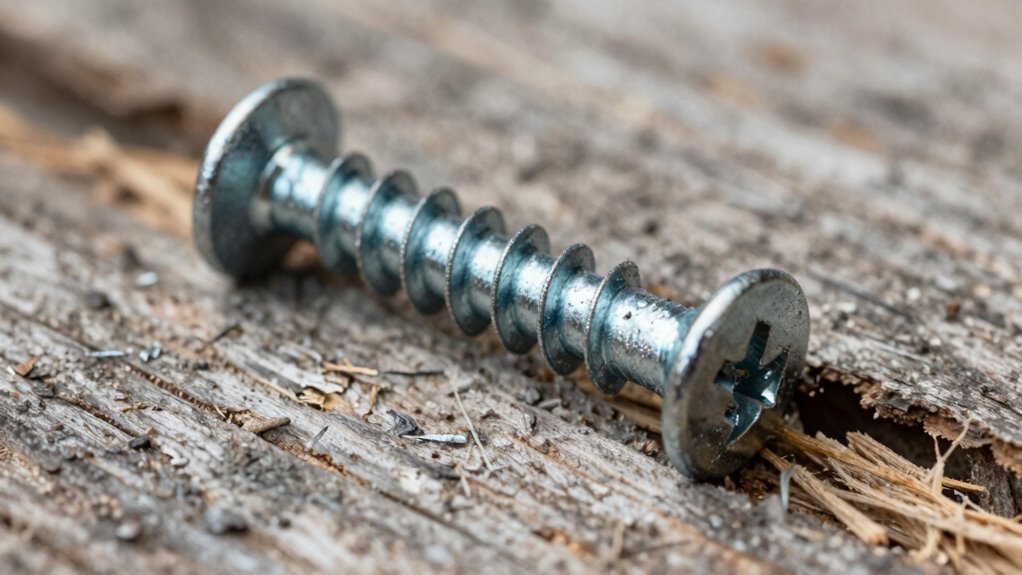

Screws strip before they seat mainly due to improper techniques, material mismatch, or poor screw design. Using the wrong screw for the surface, applying excessive force, or not pre-drilling properly can cause stress that leads to stripping. If the screw’s thread profile or material isn’t compatible, it won’t grip well, increasing the risk of failure. Want to avoid this problem? Keep exploring to find out how proper tools and techniques can help.
Open a free Amazon Business account
Business pricing, bulk buying and tax-exempt orders.
As an affiliate, we earn on qualifying purchases.
Key Takeaways
- Material incompatibility with screw design can weaken grip, causing stripping before proper seating.
- Using excessive force during tightening increases stress, risking screw stripping.
- Improper fastening technique or incorrect torque application can damage the screw or surface.
- Mismatch between screw thread profile and material reduces grip, leading to stripping.
- Lack of pre-drilling or proper installation methods causes stress and makes screws more prone to stripping.
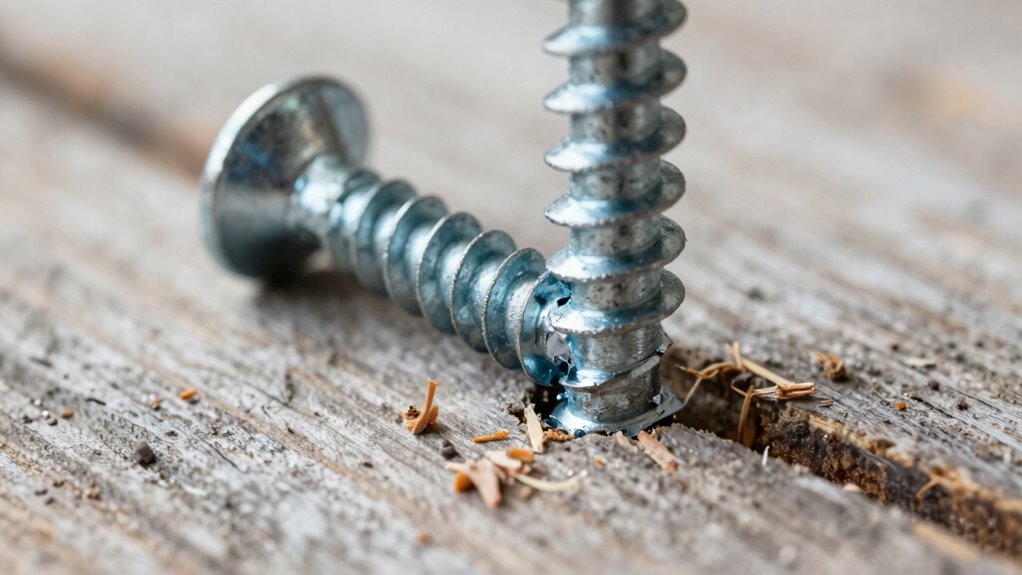
Have you ever tightened a screw only to find it strips before it’s fully seated? It’s frustrating, especially when you’re trying to complete a project quickly. Often, the root cause comes down to material compatibility and screw design. When these elements aren’t aligned, the screw can easily slip, strip, or fail to hold securely. Understanding why this happens can help you avoid the problem in the future. For example, selecting the correct thread profile for the material ensures a better grip and reduces the risk of stripping. Additionally, using the appropriate fastening technique can make a significant difference in preventing damage. Knowing how different screw materials interact with various surfaces can also improve your results and extend the life of your fasteners. Paying attention to proper installation methods can further help prevent stripping and ensure a secure, lasting hold. Moreover, choosing the right pre-drilling technique can reduce stress on the screw and prevent it from stripping during installation.
As an affiliate, we earn on qualifying purchases.
Frequently Asked Questions
What Types of Screws Are Most Prone to Stripping?
You’ll find that screws with thinner threads or those made from softer materials are most prone to stripping, especially if the thread alignment isn’t perfect or if the screw head design is poorly engineered. When the threads don’t align properly with the hole, or if the screw head design makes it easy to slip, you risk stripping the screw before it fully seats. Using the right screw type and ensuring proper alignment helps prevent this.
How Does Screw Material Affect Its Likelihood to Strip?
You’ll find that screw material considerably impacts its likelihood to strip. For example, softer metals like aluminum or low-quality steel are more prone to stripping due to poor corrosion resistance and manufacturing quality. Harder, high-grade materials such as stainless steel or alloy screws resist stripping better because they’re durable and corrosion-resistant. Choosing screws made from quality materials guarantees they can withstand torque without stripping, especially in demanding environments.
Can Improper Storage Cause Screws to Become More Fragile?
Improper storage can subtly weaken screws, making them more prone to issues like stripping. Poor storage conditions expose screws to moisture and temperature fluctuations, which can compromise their integrity. While corrosion resistance helps protect against rust, neglecting proper storage can still lead to fragility over time. To keep your screws in top shape, store them in a cool, dry place, away from humidity and extreme temperatures, ensuring they stay strong and reliable.
Are There Specific Tools Better for Preventing Screw Stripping?
Using the right tools can help prevent screw stripping. Choose screwdrivers with a tip matching the screw head design, like Phillips or Torx, for better grip. Make certain thread pitch compatibility between the screw and the material, so they seat properly without exerting excessive force. Avoid using worn-out or incorrect-sized tools, which can increase the risk of stripping. Properly fitting tools and matching screw designs are essential for a secure, damage-free fastening.
How Does Temperature Influence Screw Threading and Seating?
Temperature affects screw threading and seating through thermal expansion and material contraction. When it’s hot, materials expand, making screws harder to tighten properly and increasing the risk of stripping. Conversely, in cold conditions, materials contract, which can loosen screws or prevent them from seating fully. You should consider temperature changes during installation, using appropriate tools and materials to accommodate these effects, ensuring a secure fit without stripping.
As an affiliate, we earn on qualifying purchases.
Conclusion
So, next time you’re screwing into wood or drywall, remember that stripping happens like a slippery eel slipping through your fingers. Using the right tools, avoiding over-tightening, and choosing the correct screw type can help you avoid this frustrating mishap. Think of it as a dance—if you rush or force the move, it’ll stumble. Take your time, stay patient, and your screws will seat smoothly, just like a perfectly executed dance step.
stainless steel screw assortment
As an affiliate, we earn on qualifying purchases.
As an affiliate, we earn on qualifying purchases.
screwdriver with adjustable torque
As an affiliate, we earn on qualifying purchases.
As an affiliate, we earn on qualifying purchases.
Fall yard work Picks
leaf blowers
As an affiliate, we earn on qualifying purchases.