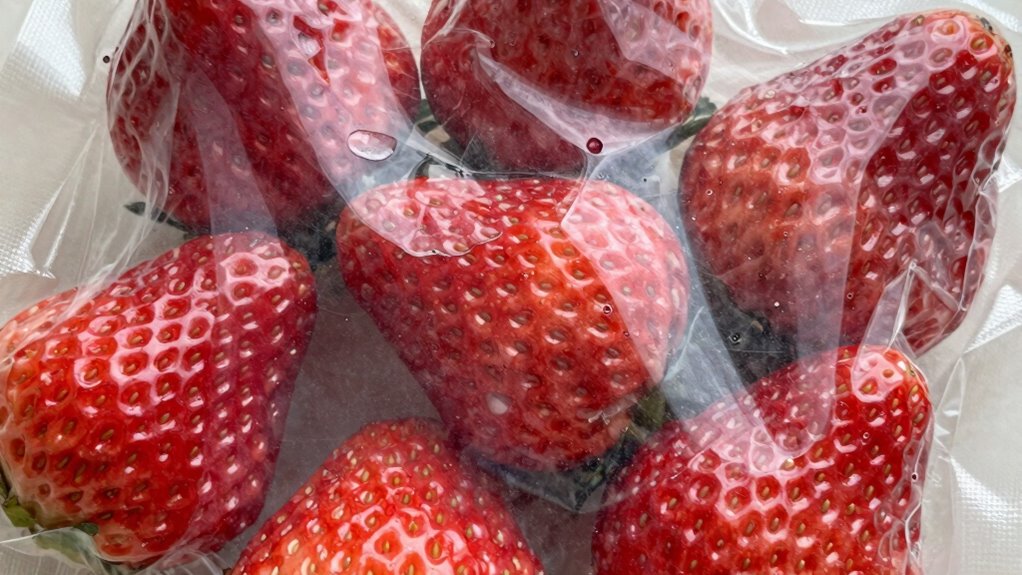

One common mistake that shortens your food’s life when vacuum sealing is not preparing the food properly before sealing, such as not cleaning, removing excess moisture, or ensuring it’s flat and wrinkle-free. These errors can cause weak seals or allow air and moisture to enter, leading to spoilage. Additionally, storing food in improper conditions can accelerate deterioration. To keep your food fresh longer, it’s essential to follow proper prep, sealing, and storage techniques — and there’s more to discover if you keep going.

Prime made for students and young adults
- Fast, free delivery for dorm and study essentials
- Prime Video and Amazon Music included
- Member-only deals
Key Takeaways
- Failing to properly clean and dry food before sealing can introduce bacteria and moisture, reducing shelf life.
- Overlooking the importance of leaving enough space at the bag’s edge causes weak seals and air leaks.
- Not removing excess moisture or liquids can compromise the seal, leading to faster spoilage.
- Storing sealed food in warm, humid, or improper environments accelerates deterioration despite sealing.
- Neglecting proper labeling and tracking can result in consuming spoiled food or wasting usable supplies.
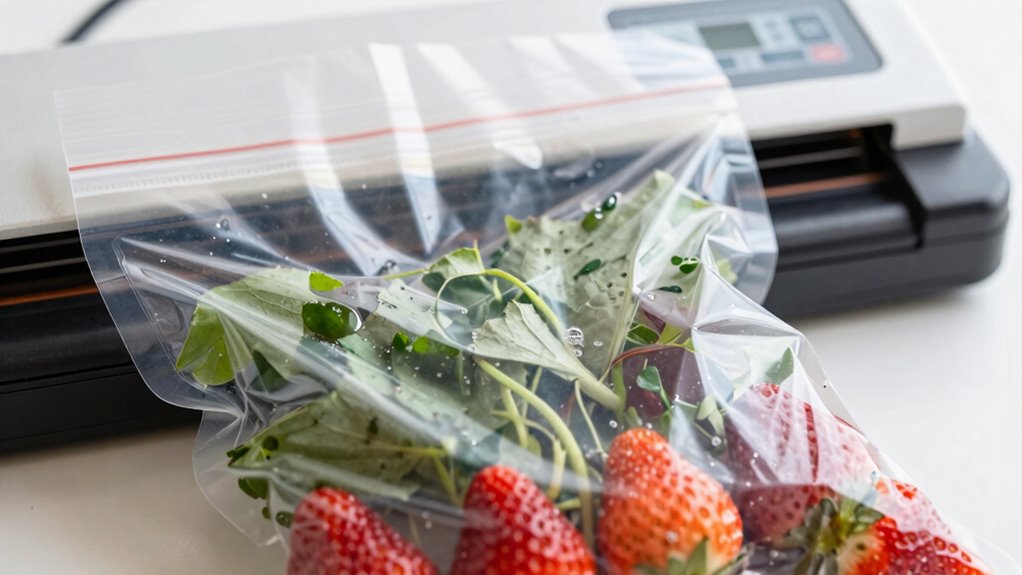
Have you ever made a vacuum sealing mistake that compromised the freshness of your food? It’s a common experience, especially if you’re new to food storage and sealing techniques. When done correctly, vacuum sealing can considerably extend the shelf life of your food, but a small mistake can quickly undo those benefits. One of the most frequent errors is not properly preparing the food before sealing. If you skip proper cleaning or fail to remove excess moisture, the seal may not be airtight, leading to air leaks and spoilage. This oversight can cause freezer burn or mold growth, shortening your food’s longevity rather than extending it.
Proper food prep is key to maintaining vacuum seal integrity and freshness.
Another critical aspect is understanding the importance of sealing techniques. You might think that simply pressing the seal button is enough, but the quality of the seal matters just as much as the vacuum process itself. If you don’t leave enough space at the edge of the bag or don’t ensure the bag is flat and free of wrinkles, the seal can be compromised. A weak or incomplete seal allows air to seep in over time, defeating the purpose of vacuum sealing in the first place. Paying close attention to sealing techniques ensures you create an airtight barrier that keeps food fresh longer. Additionally, mastering proper sealing methods can help prevent air leaks, which can significantly reduce your food’s shelf life by allowing contaminants to enter.
Additionally, improper storage after sealing can also lead to food spoilage. Even if you’ve done everything right during sealing, storing the sealed packages in a warm or humid environment can accelerate deterioration. It’s essential to store vacuum-sealed food in a cool, dark place or in the freezer, depending on the type of food. Failing to do so can cause moisture buildup or temperature fluctuations that undermine your sealing efforts, reducing the shelf life you hoped to achieve. Proper storage conditions play a crucial role in maintaining the quality and safety of your food. Being aware of factors like temperature and humidity can help you optimize your food preservation process.
Sometimes, people overlook the importance of labeling their vacuum-sealed packages. Without clear dating, you risk forgetting how long food has been stored, which can lead to consuming spoiled food or discarding good food prematurely. Proper food storage isn’t just about sealing techniques; it also involves keeping track of storage times and conditions to optimize freshness. This helps ensure you consume your food within its optimal timeframe and avoid unnecessary waste. Keeping organized labels with date and contents can make a significant difference in managing your freezer inventory efficiently.
In the end, avoiding common vacuum sealing mistakes involves attention to detail—whether it’s preparing food properly, mastering sealing techniques, or storing packages correctly. Small errors can have a big impact, turning a simple preservation method into a shortcut to food waste. By learning from these mistakes, you can make the most of vacuum sealing and truly extend the life of your food.
As an affiliate, we earn on qualifying purchases.
Frequently Asked Questions
Can Vacuum Sealing Cause Freezer Burn?
Yes, vacuum sealing can cause freezer burn if the seal isn’t airtight or if the seal integrity is compromised. When air gets in, it exposes your food to freezer burn, which affects food preservation by causing dehydration and ice crystals. To prevent this, make certain you remove as much air as possible before sealing and check the seal carefully. Proper sealing maintains food quality and extends its freezer life.
What Foods Shouldn’T Be Vacuum Sealed?
You shouldn’t vacuum seal soft, delicate, or liquid-rich foods—they can be destroyed or cause sealing issues. Think of sealing fresh bread, soft cheeses, or berries as trying to hold a waterfall in a tiny cup—impossible! For effective food preservation, use proper sealing techniques, but avoid these vulnerable items. Instead, opt for sturdy meats, vegetables, and cooked dishes that can withstand the vacuum process without losing texture or quality.
How Long Can Vacuum-Sealed Food Last?
Vacuum-sealed food typically lasts 1-3 years in the freezer, but this depends on proper sealing techniques. To prevent food spoilage, make certain you’re removing as much air as possible and sealing tightly. If you use the wrong sealing method or leave air in the bag, you risk bacteria growth and spoilage, reducing shelf life. Always double-check your seals for airtightness to maximize freshness and storage duration.
Is Manual Vacuum Sealing Better Than Automatic?
Manual sealing can sometimes be better because it offers more control, especially with delicate or irregularly shaped foods. However, automatic vacuum sealing provides advantages like speed and consistency, making it ideal for frequent use. Investigating the theory reveals that both methods have their merits; manual sealing excels in precision, while automatic systems save time. Your choice depends on your needs, but automatic often delivers reliable, efficient results.
How Do I Prevent Air Leaks During Sealing?
To prevent air leaks during sealing, you should focus on proper sealing techniques. Make certain the edges of the bag are clean and free of moisture or debris before sealing. Use a consistent pressure when closing the vacuum sealer and check for any signs of air intrusion after sealing. Double-check the seal for gaps or wrinkles, as these can lead to air leaks. Taking these steps helps maintain an airtight seal and prolongs your food’s freshness.
As an affiliate, we earn on qualifying purchases.
Conclusion
Imagine your food as a delicate treasure, easily tarnished by small mistakes. Just like a tiny crack in a gemstone can diminish its sparkle, a simple vacuum sealing error can shorten your food’s life. I once thought I was saving my leftovers, only to find them spoiled faster than expected. Remember, proper sealing isn’t just a step—it’s the shield that keeps your food fresh. Master this, and your perishables will stay vibrant and tasty longer.
vacuum sealer with moisture removal
As an affiliate, we earn on qualifying purchases.
As an affiliate, we earn on qualifying purchases.
airtight food storage containers
As an affiliate, we earn on qualifying purchases.
As an affiliate, we earn on qualifying purchases.
Fall Picks
fall essentials
As an affiliate, we earn on qualifying purchases.