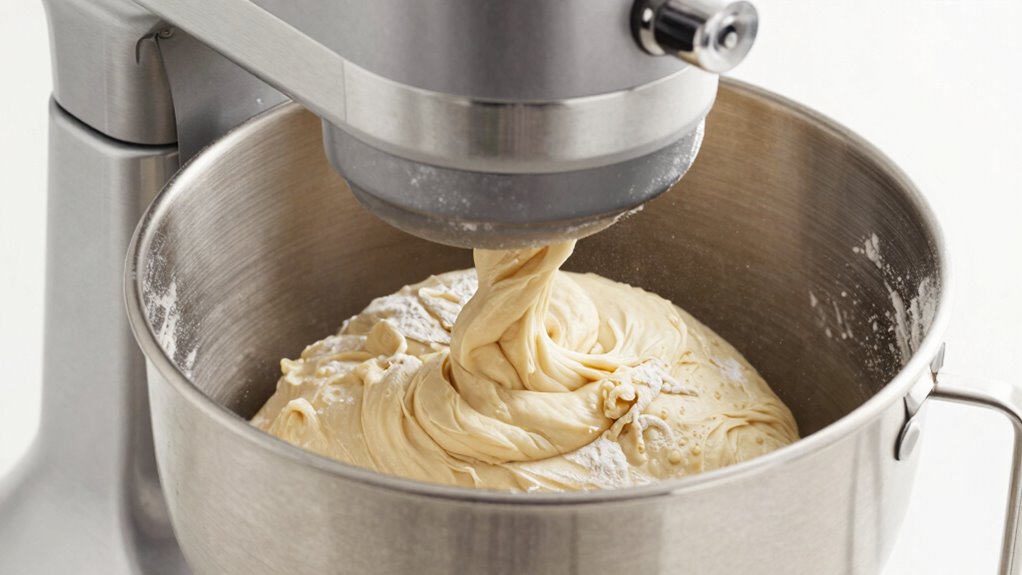

If you overload your mixer with dough beyond its capacity, it can quickly lead to mechanical stress, stalls, and damage. Overloading strains the motor and can cause it to overheat or burn out, especially if the dough is dense or sticky. Honoring the capacity limits, typically marked in liters or pounds, helps prevent these issues. Keep ingredient proportions in check and choose a mixer suited to your batch size. Staying within these limits protects your equipment—discover more tips to guarantee durability and efficiency.
Open a free Amazon Business account
Business pricing, bulk buying and tax-exempt orders.
As an affiliate, we earn on qualifying purchases.
Key Takeaways
- Overloading a mixer with dense dough increases mechanical stress and accelerates wear and potential damage.
- Exceeding capacity limits causes motor strain, leading to faster deterioration of mixer components.
- Dense or sticky dough requires appropriate mixer power and capacity to prevent rapid component failure.
- Consistently overfilling the mixer reduces its lifespan by stressing its mechanical parts.
- Properly matching dough density and batch size to mixer capacity helps maintain equipment durability.
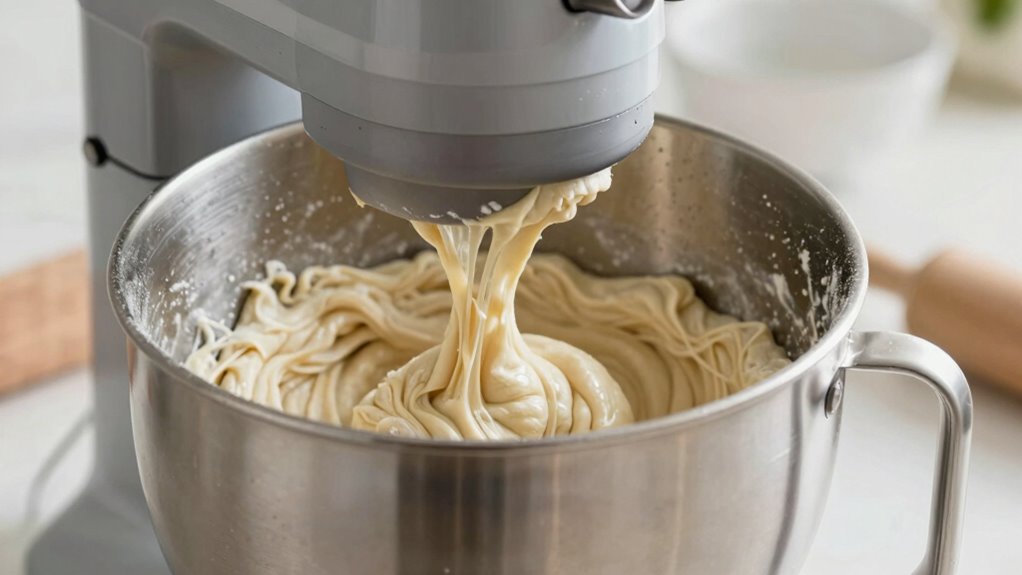
Have you ever wondered why your mixer struggles or stalls when you try to process large batches? It’s often because the mixer hits its capacity limit, revealing the importance of understanding ingredient proportions and motor power. When you’re working with a recipe that calls for a hefty amount of dough or batter, your first instinct might be to simply increase the quantities. But if your mixer isn’t designed to handle those ingredient proportions, you’ll quickly run into issues. Overloading it can strain the motor, causing it to slow down, stall, or even burn out. That’s why knowing your mixer’s capacity and matching it to your ingredient proportions is crucial. Additionally, understanding the motor power of your mixer helps you determine whether it’s capable of handling larger or denser batches effectively.
Overloading your mixer can cause stalls and damage—know your capacity and match ingredients accordingly.
Motor power plays a significant role in determining how much your mixer can handle comfortably. A more powerful motor provides the necessary torque to knead dense doughs or process large batches without overheating or stalling. If you’re using a mixer with a weak motor for heavy-duty tasks, it won’t take long before you notice it struggling, especially when the dough becomes thick or sticky. Conversely, a mixer with a robust motor can handle larger quantities and tougher ingredients with ease. However, even with a powerful motor, you need to respect the recommended capacity limits. Pushing beyond those limits can cause excessive wear, reduce the lifespan of your appliance, or lead to inconsistent mixing results. Understanding capacity limits and how they relate to your specific model can help prevent such issues. Recognizing the mechanical stress involved can further ensure you maintain your equipment’s longevity.
Understanding ingredient proportions is equally important. When you load your mixer with ingredients that don’t match its capacity, you risk uneven mixing or mechanical failure. For instance, adding too much flour or water to a small-capacity mixer can create a heavy, unmanageable load. It’s also helpful to consider how ingredient types affect the load, as some ingredients like sticky doughs increase the strain on the motor. It’s essential to measure ingredients carefully and be aware of your mixer’s maximum capacity—usually indicated in liters or pounds. Overloading not only puts strain on the motor but also affects the quality of your final product. Properly balancing ingredient proportions ensures smooth operation and consistent results. Being aware of ingredient balance can help optimize your mixing process and prevent unnecessary wear on your equipment.
In essence, the capacity limit your dough exposes quickly isn’t just about volume; it’s a combination of ingredient proportions and motor power. As a savvy user, you’ll recognize that respecting these limits keeps your mixer running efficiently and prolongs its life. When you choose a mixer suited to your batch sizes and pay attention to ingredient proportions, you avoid unnecessary breakdowns and produce better results. Understanding these factors empowers you to work smarter, ensuring your mixer handles all your recipes without stalling or struggling.
heavy-duty stand mixer for dense dough
As an affiliate, we earn on qualifying purchases.
As an affiliate, we earn on qualifying purchases.
Frequently Asked Questions
How Can I Prevent Exceeding My Mixer’s Capacity?
To prevent exceeding your mixer’s capacity, measure ingredients carefully and avoid overloading. Use ingredient substitution to reduce bulk if needed, like swapping in lighter flours or liquids. Incorporate proper mixing techniques, such as mixing in batches or gradually adding ingredients, to guarantee even blending without overtaxing the machine. These steps help maintain your mixer’s longevity and ensure consistent dough quality without risking overloads.
What Signs Indicate My Mixer Is Overloaded?
Notice your mixer’s noise levels rising rapidly or it slowing down unexpectedly—these are signs you’re overloading it. You might see vibrations or hear squealing sounds, indicating strain. Regular mixer maintenance keeps it running smoothly, preventing overloads. Overloading jeopardizes kitchen safety and damages your equipment, so always respect capacity limits. If these signs appear, reduce load immediately to avoid costly repairs and guarantee safe, efficient mixing.
Does Ingredient Type Affect Mixer Capacity Limits?
Yes, ingredient type affects your mixer’s capacity limits. Ingredient flexibility plays a role because thicker or denser ingredients, like heavy dough or chunky fillings, take up more space and strain the motor. Always consider the capacity measurement of your mixer and how different ingredients impact it. Overloading with certain ingredients can cause damage or inefficient mixing, so adjust your quantities accordingly to prevent overworking your machine.
Are There Different Capacity Limits for Various Mixer Models?
Yes, different mixer models have varying capacity limits. You can often customize capacity through regular mixer maintenance, ensuring peak performance. It’s crucial to follow manufacturer guidelines, as overloading can damage the motor and reduce lifespan. Capacity customization allows you to handle larger batches efficiently, but always stay within the recommended limits to prevent strain. Proper maintenance and understanding your mixer’s capacity help you avoid costly repairs and improve baking consistency.
How Often Should I Check My Mixer’s Capacity Limits?
You should check your mixer’s capacity limits before every use, especially if you’re working with larger batches. For example, a bakery owner notices their mixer struggles after adding too much dough, risking damage. Regular mixer maintenance and safety precautions help prevent accidents. Make it a habit to verify capacity limits to guarantee smooth operation, avoid overloading, and extend your mixer’s lifespan. Staying attentive keeps your work safe and efficient.
As an affiliate, we earn on qualifying purchases.
Conclusion
To avoid overloading your mixer, always stay within its capacity limits. For example, if you’re making bread dough, don’t try to mix double the recommended amount; your mixer could strain or break. Imagine you’re baking for a big event—sticking to the proper capacity guarantees your mixer handles the job smoothly without damage. By respecting these limits, you’ll keep your appliance running longer and enjoy perfectly mixed dough every time.
professional dough mixer with high motor power
As an affiliate, we earn on qualifying purchases.
As an affiliate, we earn on qualifying purchases.
kitchen mixer with overload protection
As an affiliate, we earn on qualifying purchases.
As an affiliate, we earn on qualifying purchases.
Flea & tick season Picks
flea and tick prevention
As an affiliate, we earn on qualifying purchases.