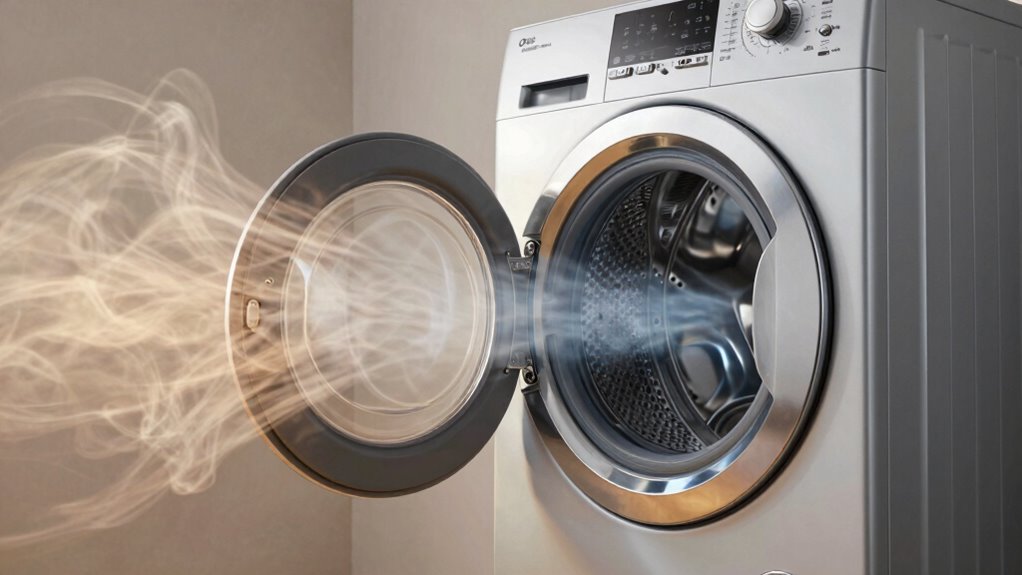

Heat pump dryers behave differently than traditional models because they recycle heat during the drying process, which makes them more energy-efficient and quieter. They use advanced sensors to monitor moisture levels, preventing over-drying and protecting fabrics. This gentle approach helps clothes last longer and reduces energy costs. Without powerful heating elements or venting systems, they operate with less noise and lower electricity use. If you want to understand the full benefits and how they work, keep exploring further.

Prime made for students and young adults
- Fast, free delivery for dorm and study essentials
- Prime Video and Amazon Music included
- Member-only deals
Key Takeaways
- Heat pump dryers recycle heat, leading to more energy-efficient and environmentally friendly drying processes.
- They operate more quietly due to the absence of powerful heating elements and venting noise.
- Advanced sensors monitor moisture levels precisely, preventing over-drying and protecting fabrics.
- Their gentle drying process reduces fabric wear and extends clothing lifespan.
- Lower energy consumption results in cost savings and less environmental impact compared to traditional dryers.
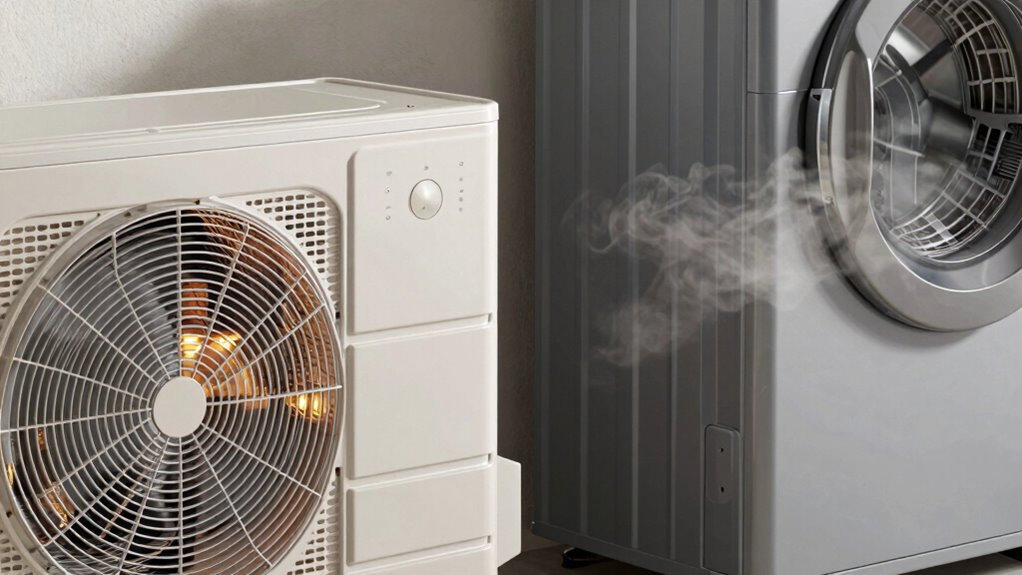
Are heat pump dryers truly a better choice than traditional dryers? When you compare these two appliances, you’ll notice that heat pump models operate quite differently, especially in how they manage energy and noise. Unlike conventional dryers that use a heating element to produce hot air, heat pump dryers recycle the heat they generate, making them markedly more energy efficient. This recycling process means you use less electricity each time you dry your clothes, which not only saves you money but also reduces your environmental impact. If you’re conscious about energy consumption, a heat pump dryer offers a compelling advantage because it consumes up to 50% less energy than traditional dryers.
Heat pump dryers use up to 50% less energy by recycling heat, saving money and reducing environmental impact.
Beyond energy efficiency, heat pump dryers also tend to behave differently when it comes to noise levels. Many people worry that quieter operation might compromise drying performance, but in reality, heat pump dryers often run more quietly than their traditional counterparts. Since they don’t rely on a powerful heating element or a noisy venting system, they produce less operational noise. This makes them ideal for homes where noise sensitivity matters, or if you want to install the dryer in a living space without disturbing others. You can expect the sound levels to be more subdued, which enhances the overall comfort of your laundry routine. Additionally, the advanced sensors in heat pump dryers monitor moisture levels meticulously, allowing for more precise drying and reducing the likelihood of over-drying. These sensors also help optimize energy use, further contributing to the appliance’s overall energy savings. Furthermore, the gentle drying process of heat pump models helps prevent wear and tear on delicate fabrics, extending the lifespan of your clothing. Incorporating energy-efficient technologies can significantly improve your laundry routine while also being kind to the environment.
energy efficient heat pump dryer
As an affiliate, we earn on qualifying purchases.
As an affiliate, we earn on qualifying purchases.
Frequently Asked Questions
Do Heat Pump Dryers Use Less Energy Than Traditional Dryers?
Yes, heat pump dryers use less energy than traditional dryers. Their energy efficiency comes from recycling heat, which reduces overall power consumption. You’ll notice a better cost comparison over time since they consume less electricity, saving you money on utility bills. Although the upfront cost may be higher, the long-term savings make heat pump dryers an economical and eco-friendly choice for your laundry needs.
Are Heat Pump Dryers Suitable for All Fabric Types?
You might worry if heat pump dryers are safe for all fabric types, especially delicate fabrics. The good news is, they’re generally suitable for most fabrics, thanks to their gentle drying process. They use lower temperatures, which helps safeguard delicate items from damage. However, for very delicate or specialty fabrics, always check the care label or consider air-drying to guarantee your clothes stay in perfect shape.
How Long Do Heat Pump Dryers Typically Last?
Heat pump dryers typically last around 10 to 15 years, thanks to their energy-efficient design and fewer moving parts. Your dryer’s longevity depends on factors like regular maintenance, proper use, and quality installation. By ensuring you clean the filters and keep the vents clear, you help maximize its lifespan. Investing in a high-quality model also boosts durability, allowing you to enjoy its energy-efficient benefits for many years.
Can Heat Pump Dryers Be Installed in Small Spaces?
Yes, heat pump dryers can be installed in small spaces, but you’ll need to take into account space constraints and installation challenges. They’re generally compact, making them suitable for tight areas, but ensure there’s enough room for proper ventilation and access. Check the manufacturer’s guidelines for clearance requirements. With careful planning, you can enjoy the energy efficiency of a heat pump dryer even in limited spaces.
Do Heat Pump Dryers Require Special Maintenance or Repairs?
Heat pump dryers require less maintenance complexity, and repair frequency is generally lower compared to traditional dryers. You’ll find that their design minimizes parts prone to wear and tear, simplifying upkeep. However, you should periodically clean filters, check vents, and monitor the compressor. This proactive approach keeps your dryer running efficiently, reduces the likelihood of repairs, and extends its lifespan, making maintenance straightforward and less frequent.
As an affiliate, we earn on qualifying purchases.
Conclusion
In the end, understanding how heat pump dryers differ from traditional models helps you make smarter choices. Though they may take a bit longer, their efficiency and lower energy use make them worth the wait. Don’t throw in the towel just yet—patience pays off in savings and sustainability. By embracing these differences, you’re taking a step toward more eco-friendly laundry habits. It’s clear that, with the right knowledge, you’re well on your way to drying smarter.
As an affiliate, we earn on qualifying purchases.
heat pump dryer for delicate fabrics
As an affiliate, we earn on qualifying purchases.
As an affiliate, we earn on qualifying purchases.
Evergreen bestsellers Picks
bestsellers
As an affiliate, we earn on qualifying purchases.