Laundry stripping can be a real help when your clothes feel stiff, smell dull, or have persistent residues after regular washes, especially for towels or bedding prone to buildup. However, it’s not ideal for delicate fabrics or if your clothes are thin or fragile, as harsh chemicals can cause damage. If you notice your laundry isn’t as clean as it used to be, exploring signs and safer alternatives can make a difference—more details await.
Key Takeaways
- Use laundry stripping when clothes feel dull, stiff, or retain odors despite regular washing.
- It is effective for removing detergent buildup and residues from towels, bedding, or workout clothes.
- Avoid stripping delicate fabrics or garments with special finishes to prevent fiber damage.
- Overuse or harsh chemicals can weaken fabrics and irritate sensitive skin; use sparingly.
- Consider natural alternatives like vinegar or baking soda for gentler, eco-friendly deep cleaning and freshening.
Top picks for "laundry stripp useful"
Open Amazon search results for this keyword.
As an affiliate, we earn on qualifying purchases.
What Is Laundry Stripping and How Does It Work?
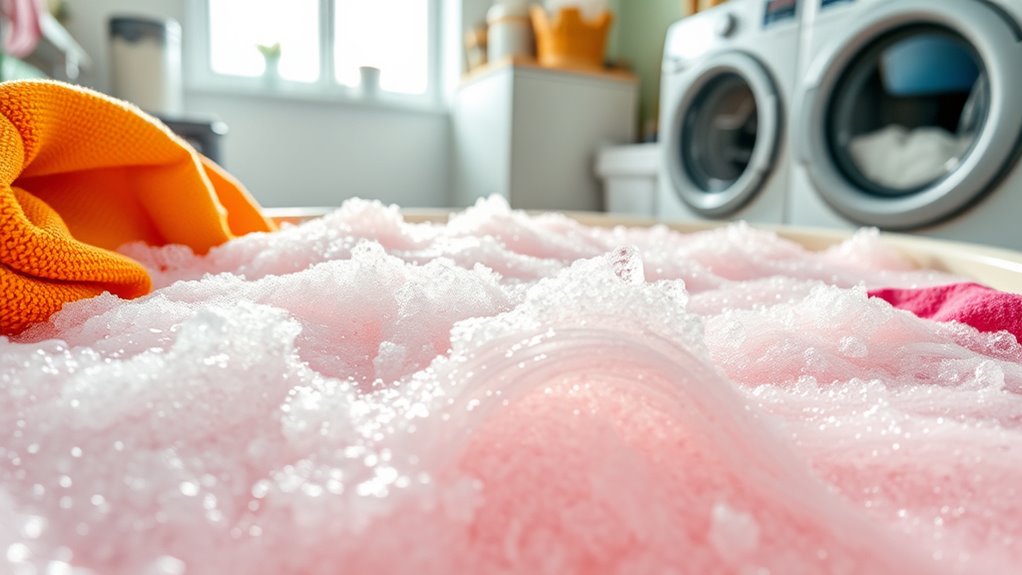
Laundry stripping is a cleaning process designed to remove deep-seated residue, dirt, and buildup from your fabrics. Over time, fabric residue and detergent buildup can accumulate in your clothes, making them feel dull or stiff. Laundry stripping uses powerful cleaning agents, like washing soda, borax, or specific detergents, to break down these residues. When you perform this process, these agents penetrate deep into fibers, loosening and dissolving stubborn grime. This helps restore your fabrics to a cleaner, fresher state. You typically soak your laundry in a mixture of hot water and stripping agents, allowing the solution to work through all the layers of fabric. As a result, you eliminate residues that regular washing might leave behind, revitalizing your clothes and linens.
When Should You Try Laundry Stripping?
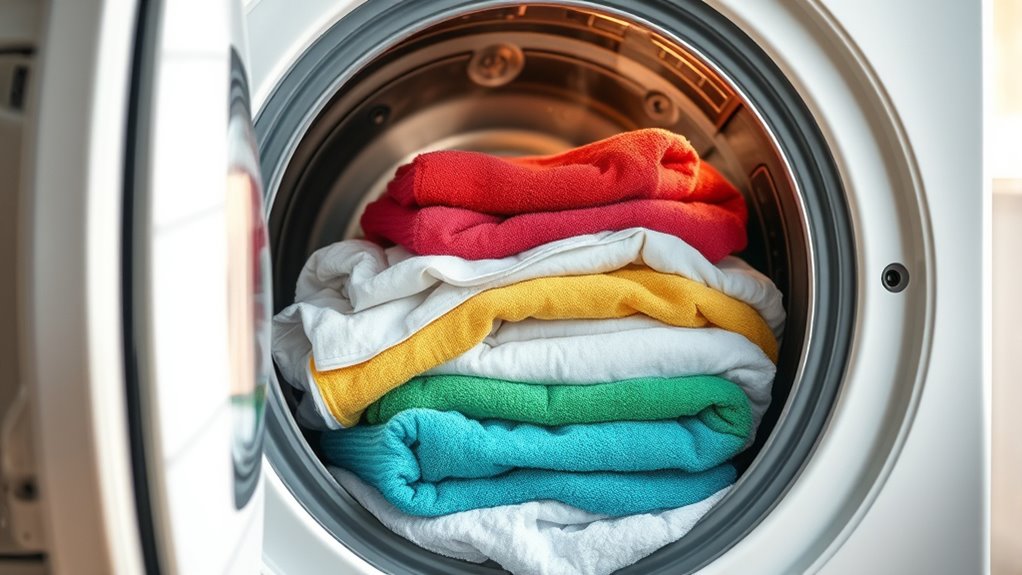
You should consider trying laundry stripping when your clothes have lost their freshness, feel stiff, or develop a persistent odor despite regular washing. Over time, detergent buildup and fabric residue can accumulate, trapping dirt, oils, and odors that normal washing can’t remove. If your laundry no longer feels clean or smells off even after washing, stripping can help eliminate these residues. It’s especially useful for towels, bedding, or workout clothes that tend to trap more buildup. However, don’t overuse it on delicate fabrics or garments with special finishes, as stripping can weaken fibers or cause damage. Use laundry stripping as an occasional deep-cleaning method when regular washing no longer restores your laundry’s freshness. Additionally, understanding the importance of color accuracy in your cleaning process can help ensure your whites stay bright and your colors remain vibrant after treatment.
How Do You Know It’s Time to Strip Your Laundry?
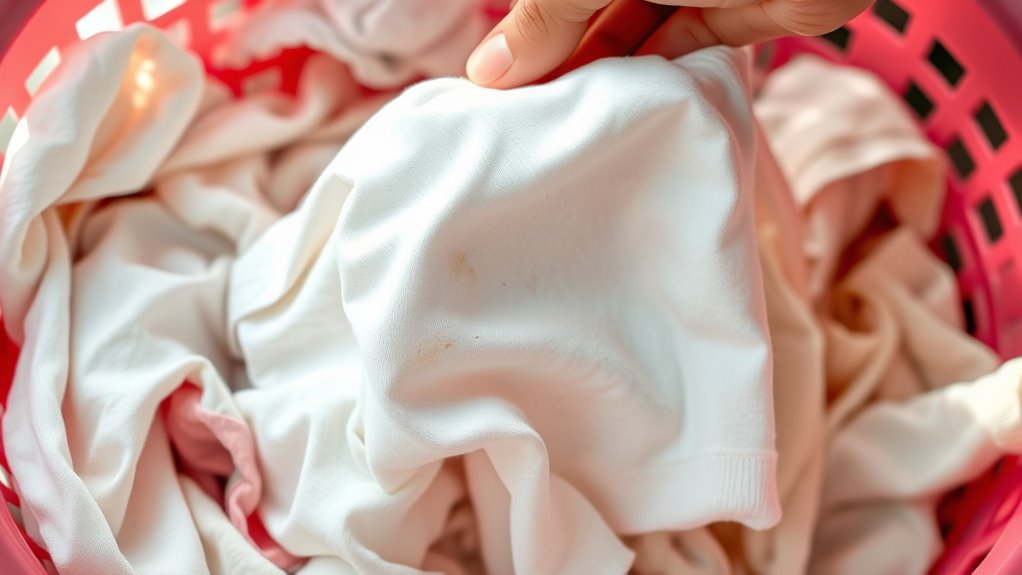
It’s time to strip your laundry when your clothes no longer smell fresh or feel stiff even after washing. This is usually a sign of fabric buildup, where residues from detergents and minerals accumulate over time. If your laundry feels like it’s not getting truly clean or if you notice a musty odor lingering, it’s likely due to detergent residue trapping dirt and oils. Additionally, stiff or rough fabrics that resist softening even after multiple washes indicate buildup. When regular washing no longer restores freshness and softness, stripping can help remove these layers of residue and restore your laundry’s original feel. Trust your senses—if your clothes aren’t as clean as they should be, it’s probably time to think about laundry stripping. Proper maintenance of your washing routine can also help prevent buildup and keep your fabrics feeling fresh longer.
When Might Laundry Stripping Do More Harm Than Good?

While stripping can refresh your clothes, there are times it may cause more harm than good. Using harsh chemicals during the process can weaken fabrics and cause them to deteriorate faster. If you have delicate or fragile textiles, stripping might lead to fabric damage, pulling fibers apart or causing thinning. Overdoing it can strip away essential fibers, making clothes look worn and less durable. Additionally, frequent use of strong chemical cleaners can irritate your skin or damage sensitive skin types. If you’re unsure whether your laundry needs stripping, or if your clothes are delicate, it’s best to avoid harsh chemicals altogether. Instead, consider gentler cleaning methods, as unnecessary stripping can compromise the integrity of your fabrics and reduce their lifespan. Proper fabric care techniques can help maintain your clothes’ appearance and longevity.
What Are Better Alternatives for Deep Cleaning and Freshening?
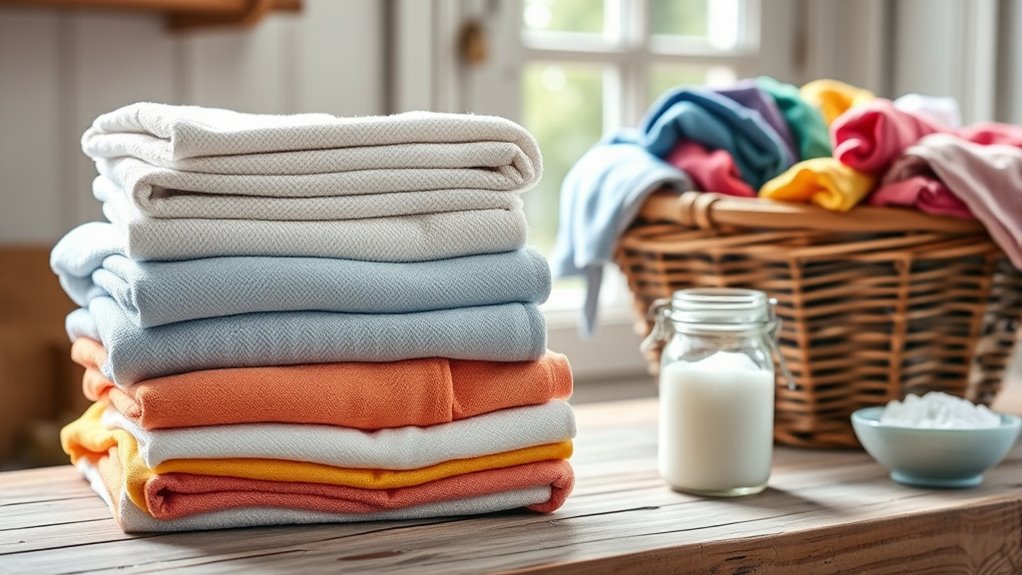
Instead of resorting to harsh chemicals or frequent stripping, there are gentler and more effective ways to deep clean and freshen your laundry. Natural cleaning methods can remove odors and buildup without damaging fabrics. For example, adding white vinegar or baking soda during laundry helps with odor removal and brightening clothes naturally.
| Benefit | Feeling |
|---|---|
| Clean and fresh | Confident in your laundry routine |
| Gentle on fabrics | Peace of mind knowing you’re caring for your clothes |
| Environmentally friendly | Proud to make sustainable choices |
| Cost-effective | Satisfied with saving money |
These alternatives are safer for your skin, your clothes, and the planet. Embrace natural cleaning for a fresh, odor-free wardrobe you can trust.
Frequently Asked Questions
Can Laundry Stripping Damage Delicate Fabrics or Colors?
Yes, laundry stripping can damage delicate fabrics or cause color fading if you’re not careful. You might weaken fibers or strip away dyes, leading to fabric damage or duller colors. To avoid this, always check care labels, avoid harsh chemicals, and test a small area first. Use stripping sparingly on delicate items, and opt for gentle cleaning methods to keep your fabrics looking their best.
How Often Should Laundry Stripping Be Performed?
You shouldn’t strip your laundry more than once a month, or it’s like releasing a hurricane on your fabrics. Overdoing it can strip away fabric softeners and stain removers, damaging delicate fibers. If your clothes start feeling dingy or develop odors, that’s when stripping is necessary. Otherwise, stick to regular washing, and reserve laundry stripping for deep cleans to maintain fabric integrity and keep your wardrobe fresh and vibrant.
Are There Specific Detergents Recommended for Stripping?
For laundry stripping, you don’t need special detergents; plain, affordable options work well. If you prefer detergent alternatives, consider using eco-friendly options like plant-based or biodegradable detergents. These choices are gentle on your clothes and better for the environment. Avoid harsh chemicals and opt for natural ingredients when possible. Always follow the instructions on the package to guarantee effective cleaning without damaging fabrics.
Is Laundry Stripping Safe for All Types of Washing Machines?
You’ll be glad to know that laundry stripping is generally safe for most washing machines, with over 80% of users reporting no issues. However, it’s vital to take into account machine compatibility and appliance safety. High-efficiency washers, for example, may be more sensitive to harsh chemicals, so always check your appliance’s guidelines. If unsure, consult your manufacturer to avoid potential damage and ensure safe, effective cleaning.
Can Laundry Stripping Remove Bacteria and Germs Effectively?
Laundry stripping mainly targets dirt, residues, and odors, but it isn’t specifically designed for bacteria elimination or germ removal. While it can help reduce surface germs, it won’t fully disinfect your clothes. For effective bacteria and germ removal, use hot water and a disinfectant or laundry sanitizer. Remember, laundry stripping isn’t a substitute for proper disinfecting; it’s best for deep cleaning, not sterilization.
Conclusion
Next time your laundry smells a bit off or feels grimy, you might find yourself reaching for that stripping method. Coincidentally, it’s just when your favorite towel or sheets need a deep clean—without harsh chemicals. But remember, sometimes simpler solutions work better. Trust your senses and choose wisely. After all, a fresh load of laundry can make your day brighter, especially when you stumble upon the perfect cleaning trick by chance.